KIDS READ DAILY

  • Kids Book Club
  • Shop
  • Reading System
  • About Us
  • Home Learning Tips

KIDS READ DAILY

  • Kids Book Club
  • Shop
  • Reading System
  • About Us
  • Home Learning Tips
  • Kids Book Club
  • Shop
  • Reading System
  • About Us
  • Home Learning Tips

KIDS READ DAILY

KIDS READ DAILY

  • Kids Book Club
  • Shop
  • Reading System
  • About Us
  • Home Learning Tips
man carrying his daughter on his shoulders
Parenting HacksParenting StylesParenting Tips
July 3, 2024 by KRD Team 0 Comments

Traits Dads Teach Their Strong-Headed Daughters for Success

Traits Dads Teach Their Strong-Headed Daughters for Success

Strong-headed girls are a force of nature, often characterized by resilience, independence, and a clear sense of purpose. These traits don’t just appear out of nowhere – often, they are deeply influenced by the paternal figures in their lives. This blog post delves into the pivotal traits that dads inculcate in their daughters, enabling them to achieve boundless success. Let’s unravel the secrets behind their unwavering spirit and determination.

The Foundation of Success: Key Traits Taught by Dads

Dads serve as role models and instructors, subtly embedding crucial attributes in their daughters. These traits form the bedrock of their success both personally and professionally. Here are the fundamental characteristics:

1. **Confidence**

One of the most essential traits a father can instill in his daughter is confidence. Through actions and words, dads can build a strong foundation of self-belief.

  • **Encouraging Decision-Making**: Fathers who allow their daughters to make decisions from a young age foster a sense of independence and self-assurance.
  • **Offering Praise**: Authentic praise from a father can fortify a girl’s belief in her abilities and competence.

2. **Independence**

Strong-headed girls often have a staunch sense of independence. This attribute is usually nurtured by their fathers through various means:

  • **Promoting Problem-Solving**: Fathers who encourage their daughters to solve problems on their own equip them with a sense of agency and resourcefulness.
  • **Respecting Boundaries**: By recognizing and respecting their daughters’ boundaries, dads teach them the importance of autonomy.

3. **Resilience**

Life is replete with challenges, and resilience is the armor strong-headed girls wear to face adversity. Dads play a critical role in cultivating this resilience:

  • **Sharing Personal Stories**: Fathers who share their own failures and how they overcame them provide actionable role models for resilience.
  • **Encouraging Perseverance**: Continuous encouragement to persevere, even when the going gets tough, is instrumental in shaping a resilient attitude.

4. **Empathy**

While being strong-headed often implies a robust personality, it is balanced perfectly by empathy. Fathers can model and teach empathy in various ways:

  • **Modeling Empathetic Behavior**: When fathers demonstrate empathy in their interactions, their daughters learn to value and practice understanding and compassion.
  • **Encouraging Helpful Acts**: Encouraging daughters to engage in acts of service can deepen their sense of empathy toward others.

5. **Goal-Driven Attitude**

Dads often encourage their daughters to be ambitious and set lofty goals, which is crucial for long-term success.

  • **Teaching Goal-Setting**: Fathers who help their daughters set and achieve goals provide them with the tools to pursue and realize their dreams.
  • **Rewarding Achievements**: Recognizing and celebrating achievements, no matter how small, instills a sense of accomplishment and motivates future endeavors.

How Fathers Can Implement These Teachings

Understanding the traits is one thing, but implementing them effectively is another. Here are some practical ways fathers can teach these vital traits to their strong-headed daughters:

1. **Open Communication**

Engage in regular, honest conversations. These discussions can be about daily activities, emotions, and future plans. Open communication bridges the gap and builds trust.

2. **Active Involvement**

Be actively involved in their lives. Attend school events, encourage participation in extracurricular activities, and take an interest in their hobbies and interests.

3. **Leading by Example**

Dads should demonstrate the traits they wish to instill. Actions often speak louder than words, and children tend to emulate behaviors they observe in their parents.

4. **Providing a Safe Environment**

Create a safe and supportive environment where daughters feel valued and respected. This foundation of love and security emboldens them to explore and assert their independence.

Conclusion

Fathers have a unique and profound influence on shaping their daughters into strong-headed, successful women. By instilling traits like confidence, independence, resilience, and empathy, dads lay a solid foundation for their daughters to thrive. These traits, combined with a goal-driven attitude, prepare them to tackle challenges head-on and emerge victorious in all walks of life.

Remember, the journey to raising a strong-headed daughter is filled with moments of teaching, modeling, and supporting. The lessons imparted by fathers resonate deeply and last a lifetime, guiding their daughters to unparalleled success.

By embodying these principles and leading with love and wisdom, dads can nurture the next generation of confident, resilient, and compassionate leaders.

Read More
mama-lavender-11182338949.jpg
Parenting HacksParenting Styles
July 3, 2024 by KRD Team 0 Comments

Is Gentle Parenting Turning Me Into a Pushover? A Personal Exploration

Sometimes I wonder if gentle parenting is making me a pushover
Source: www.amytreasure.com

I. Introduction

Sometimes, I find myself lying awake at night, questioning my parenting choices. Am I genuinely embracing the principles of gentle parenting, or am I just being a pushover? It’s a common concern many parents share these days, especially with all the talk about different parenting styles swarming around social media and parenting forums. So, let’s delve into what gentle parenting truly entails and why it’s becoming increasingly popular among modern parents.

Defining Gentle Parenting

What exactly is gentle parenting? At its core, gentle parenting revolves around understanding and empathy. It means approaching your child with compassion, trying to understand their emotions, and guiding them instead of controlling them. Unlike the authoritarian methods some of us grew up with, gentle parenting emphasizes respect and two-way communication. It’s about nurturing your child’s emotional well-being and fostering a strong and secure bond.

But gentle parenting doesn’t mean there are no boundaries or discipline. In fact, it involves setting limits but doing so in a way that acknowledges and respects the child’s feelings. It’s all about patience, even when your child tests it repeatedly. Using this method, you aim to teach your child self-discipline rather than instilling fear of punishment.

The Rise in Popularity of Gentle Parenting

You might wonder why gentle parenting has suddenly become so popular. To me, it seems that many of us are striving to break generational cycles of authoritarian or permissive parenting. We’re recognizing the importance of mental health and emotional intelligence, and we want to raise our children to have these attributes.

Social media has played a huge role in this shift. Parenting bloggers, psychologists, and even celebrities are speaking out in favor of kinder, more mindful approaches to raising kids. They’re sharing tips, success stories, and even failures, creating communities where parents can find support and encouragement. I have often found solace and a sense of camaraderie by following some of these influencers who share the same values and struggle with the same questions.

Additionally, there’s a growing body of research supporting the benefits of gentle parenting. Studies suggest that children raised with empathy and respect are more likely to develop healthy relationships and better emotional regulation skills. This knowledge is empowering for parents like me, who sometimes need that extra reassurance that we’re on the right path.

So, while I occasionally doubt myself, I remind myself of the larger picture. Gentle parenting might be challenging and slow to show results, but the aim is to raise emotionally intelligent, self-aware, and compassionate individuals. And if that means sometimes questioning whether I’m being too lenient, I think it’s a doubt worth having.

Understanding Gentle Parenting

Sometimes I wonder if gentle parenting is making me a pushover. The principles of this parenting style seem to have good intentions, but I can’t help but ask myself if I’m doing it right. When the line between nurturing and overindulgence becomes blurry, it’s challenging to know if my actions are fostering a healthy environment or just leaving me feeling like I’m at the mercy of my child’s every whim.

Principles and Foundations

At its core, gentle parenting is all about respect, empathy, and understanding. It emphasizes treating children as individuals with their own thoughts and feelings and aims to build a connection based on mutual respect. Rather than relying on punishment and rewards, gentle parenting focuses on guidance, setting boundaries through conversation and understanding. The idea is to foster a secure environment where children feel confident and valued.

I try my best to practice these principles daily. It involves active listening, validating my child’s emotions, and helping them navigate their feelings rather than simply telling them what to do. However, this approach sometimes leaves me wondering if I’m too lenient. For example, when my child refuses to clean up their toys despite multiple gentle reminders, I question whether my method is effective or if I’m just letting them walk all over me.

Key Techniques and Approaches

One of the key techniques in gentle parenting is positive reinforcement. Instead of focusing on what the child did wrong, I try to highlight and praise their good behavior. This can be incredibly rewarding because I see how my child lights up when I acknowledge their efforts. It’s about teaching them the value of doing the right thing over time.

Another major approach is involving the child in setting rules and boundaries. I often let my child have a say in creating house rules, which makes them feel more responsible and valued. But again, it gets tricky when my child tries to negotiate or bend the rules to suit their preferences. Am I being flexible, or am I giving in too easily?

Patience is another cornerstone of gentle parenting. It requires taking the time to explain the ‘whys’ behind the rules and decisions. This can be incredibly time-consuming, especially when juggling other responsibilities. Sometimes, I feel stretched thin, questioning if all this effort is yielding the desired outcomes. For instance, when I spend a long time explaining why bedtime is essential, only to find my child still resisting sleep, the doubts creep in.

However, the silver lining is that through these techniques, I witness my child developing a sense of empathy, understanding, and respect. The aim is for them to grow up knowing they have a voice and that their feelings matter. While it’s a continuous learning curve, the journey of gentle parenting is filled with moments that reaffirm its worth, even if I sometimes feel like I’m on shaky ground.

Personal Experiences and Queries

While embracing the gentle parenting approach, I’ve often asked myself whether I’m walking a fine line between being nurturing and being a pushover. Navigating the principles can be challenging when situations arise that test my patience and resolve. It’s easy to second-guess myself, especially when immediate compliance isn’t achieved. But is this doubt natural, or a sign that I’m caving in too often?

Signs You Might Be a Pushover

One of the key signs I’ve noticed is when my child begins to consistently ignore my guidance. For instance, despite patiently reminding them about their responsibilities, like cleaning up toys, I often find that those toys remain stubbornly scattered across the floor. My immediate thought is, “Am I not being firm enough, or is there a part of the gentle parenting methodology I’m missing?”

Another sign is when negotiations become a recurring theme. While I appreciate the principle of involving my child in decision-making, there are times when negotiations seem to go on endlessly. Whether it’s about bedtime, screen time, or even what to eat for dinner, the constant back-and-forth leaves me wondering if I’m inadvertently training my child to persistently challenge every boundary I set.

Lack of respect for rules, however minor they may be, is another indicator. When my gentle reminders about simple rules, like no running indoors, are met with playful defiance, it raises the question of whether my gentle approach is being perceived as mere suggestions rather than firm guidelines. This leaves me questioning if I need to introduce more structure and assertiveness while still maintaining the core principles of respect and empathy.

Anecdotal Evidence from Parents

Connecting with other parents who practice gentle parenting has been incredibly enlightening. Many have shared similar feelings of doubt and moments of wondering whether they are too lenient. A good friend of mine told me about a situation where her child would throw tantrums in public whenever denied something. Her initial thought was to stand firm, but her gentle parenting instincts led her to calmly explain and navigate the situation. Over time, her child’s tantrums reduced significantly, which reassured me that this approach does work, even if it takes time.

Another parent mentioned how she struggled with bedtime resistance. Instead of punitive measures, she found success in creating a consistent bedtime routine with her child, involving them in the process. Over time, her child began to look forward to the nightly ritual, reinforcing that patience does pay off.

These stories from fellow parents offer hope and showcase the small victories that come with consistent gentle parenting techniques. Talking to them helps reaffirm my commitment to this path, even when moments of doubt cloud my mind. It’s a shared journey with no immediate answers, but knowing that others are navigating similar challenges makes me feel less isolated and more optimistic about the benefits in the long run.

Psychological Insights

As I navigate the world of gentle parenting, I’ve found it helpful to delve into the psychological insights and studies that back up this approach. It’s reassuring to know that I’m not alone in my efforts and that there’s science behind the practices I’m adopting.

Child Development Perspectives

From a child development standpoint, gentle parenting seems to align well with the fundamental needs of growing children. Research indicates that children thrive in environments where they feel understood and valued. This approach helps them build secure attachments, promoting emotional and social development. When I validate my child’s feelings, I’m not just caving in; I’m fostering their ability to understand and process emotions, which is crucial for their development.

Developmental psychologists often emphasize the importance of emotional intelligence (EQ) in children. By guiding my child through their feelings and teaching them empathy, I’m working to enhance their EQ, which has been shown to be a significant predictor of future success and happiness. I take solace in this knowledge, especially during moments when I worry whether I’m being a pushover. Understanding that I’m contributing positively to my child’s emotional growth reaffirms my commitment to gentle parenting.

Impact on Parental Authority

However, balancing respect and authority remains one of my biggest challenges. The fear of losing parental authority often makes me second-guess my approach. I worry whether my child respects me less or views me as someone they can easily manipulate. The truth is, gentle parenting can sometimes feel like treading a tightrope.

Through my research, I’ve learned that maintaining parental authority in gentle parenting doesn’t mean being authoritarian; it means being authoritative. Establishing boundaries is essential, but how I enforce them makes all the difference. Open communication and setting consistent yet flexible boundaries help maintain that authority while still respecting my child’s individuality. When I find myself doubting, I remind myself that discipline doesn’t have to involve fear or punishment—it can involve guidance and mutual respect.

Another factor to consider is the impact on my own well-being. The effort it takes to stay patient and consistent can be taxing. I’ve had moments of self-doubt where I questioned my capabilities as a parent. But keeping an open mind to psychological insights and seeking support from fellow gentle parents has been invaluable. Knowing that the struggles I face are part of a broader learning process helps me stay grounded.

In moments of doubt, I try to take a step back and remind myself why I chose this path. My ultimate goal is to raise a compassionate, well-rounded individual. By focusing on the long-term benefits and continually educating myself about child development, I find the strength to persevere, even when the road gets bumpy.

Balancing Boundaries and Compassion

As I navigate the world of gentle parenting, I’ve found it helpful to delve into the psychological insights and studies that back up this approach. It’s reassuring to know that I’m not alone in my efforts and that there’s science behind the practices I’m adopting.

Child Development Perspectives

From a child development standpoint, gentle parenting seems to align well with the fundamental needs of growing children. Research indicates that children thrive in environments where they feel understood and valued. This approach helps them build secure attachments, promoting emotional and social development. When I validate my child’s feelings, I’m not just caving in; I’m fostering their ability to understand and process emotions, which is crucial for their development.

Developmental psychologists often emphasize the importance of emotional intelligence (EQ) in children. By guiding my child through their feelings and teaching them empathy, I’m working to enhance their EQ, which has been shown to be a significant predictor of future success and happiness. I take solace in this knowledge, especially during moments when I worry whether I’m being a pushover. Understanding that I’m contributing positively to my child’s emotional growth reaffirms my commitment to gentle parenting.

Impact on Parental Authority

However, balancing respect and authority remains one of my biggest challenges. The fear of losing parental authority often makes me second-guess my approach. I worry whether my child respects me less or views me as someone they can easily manipulate. The truth is, gentle parenting can sometimes feel like treading a tightrope.

Through my research, I’ve learned that maintaining parental authority in gentle parenting doesn’t mean being authoritarian; it means being authoritative. Establishing boundaries is essential, but how I enforce them makes all the difference. Open communication and setting consistent yet flexible boundaries help maintain that authority while still respecting my child’s individuality. When I find myself doubting, I remind myself that discipline doesn’t have to involve fear or punishment—it can involve guidance and mutual respect.

Another factor to consider is the impact on my own well-being. The effort it takes to stay patient and consistent can be taxing. I’ve had moments of self-doubt where I questioned my capabilities as a parent. But keeping an open mind to psychological insights and seeking support from fellow gentle parents has been invaluable. Knowing that the struggles I face are part of a broader learning process helps me stay grounded.

Setting Effective Limits

One of the critical aspects of gentle parenting is setting effective, realistic limits for my child. It’s not about giving in to every whim, but rather about recognizing what is essential for their growth and well-being. For instance, I’ve found that instead of outright saying “no,” providing alternatives or explanations builds a better understanding. It’s a way to state what’s acceptable within the boundaries we’ve set together.

Setting limits can also mean allowing natural consequences to teach lessons. If my child refuses to wear a coat on a cold day, feeling chilly might help them understand why coats are necessary without me turning it into a power struggle. It’s about guiding rather than controlling.

Maintaining Consistency

Consistency is another cornerstone of effective gentle parenting. Children feel more secure and are better able to thrive when they know what to expect. This doesn’t mean being rigid but rather being predictably dependable. When I say bedtime is at 8 PM, it stays at 8 PM. If there are exceptions, I explain why, keeping communication open and honest.

Staying consistent with my own behavior is equally important. I strive to model the qualities I want to instill in my child, like kindness, patience, and respect. This isn’t always easy—I’m human and have my moments of frustration—but owning up to mistakes and showing how to make amends is a powerful lesson in itself.

Maintaining these practices helps me balance being compassionate with being firm, creating an environment where my child feels safe and understood, yet knows that there are boundaries. This middle ground is where I try to dwell, hoping that one day, my efforts will yield a compassionate, self-disciplined individual.

Case Studies and Real-World Examples

Exploring real-life examples and success stories can be tremendously reassuring when navigating the many facets of gentle parenting. It provides a sense of community and evidence that this approach can indeed work well with time and patience.

Success Stories

One of my favorite aspects of gentle parenting is the success stories. These narratives are incredibly inspiring for parents like me who sometimes feel uncertain. For instance, a close friend of mine adopted gentle parenting principles a few years ago with her two children. She always speaks of how their household became calmer and the kids more cooperative as they felt heard and respected.

Another story that left a significant impact on me was about a mother who struggled with her child’s frequent tantrums. By applying gentle parenting techniques focusing on empathy and understanding, she observed a noticeable reduction in tantrums over time. Her child began to use words to express their feelings instead of meltdowns, manifesting the power of emotional validation.

Every success story I encounter reaffirms my belief in gentle parenting. It helps me see that while the changes may not be immediate, the long-term benefits are well worth the effort. These examples make me hopeful and encourage me to stay the course, knowing that others have navigated similar challenges successfully.

Challenges and Revisions

It wouldn’t be fair to discuss gentle parenting without acknowledging the challenges. Despite all the positive feedback, there are rough days when I question everything. A notable challenge came when my child refused to follow basic rules, making me wonder if I had become too lenient. It felt like a delicate dance, trying to balance kindness with firmness.

I took solace in reading about other parents experiencing similar dilemmas. One parent shared how they had to revise their approach by introducing stricter, yet still respectful, boundaries. They emphasized that adaptability is crucial and that gentle parenting doesn’t mean there are no consequences, just that the consequences are designed to teach rather than punish.

These real-world insights helped me refine my strategies. Communication became even more critical, and I found tools like family meetings to set boundaries collaboratively very effective. Involving my child in rule-setting made them more likely to adhere to those rules because they felt a sense of ownership.

Navigating these challenges also underscored the importance of self-compassion. Progress isn’t always linear, and occasional missteps are part of the journey. Revisiting and adjusting my approach when needed doesn’t mean I’m failing; it means I’m learning and growing alongside my child.

Through these stories and challenges, I find encouragement and practical advice. They remind me that gentle parenting is a dynamic process that involves continuous learning and adaptation.

Expert Opinions and Advice

When it comes to gentle parenting, hearing from experts can often provide that extra layer of reassurance and guidance. I find it helpful to delve into what child psychologists and parenting coaches say about this approach.

Views from Child Psychologists

Child psychologists often emphasize the positive impacts of gentle parenting on kids’ emotional development. Dr. Laura Markham, a well-known figure in child psychology, talks a lot about how important it is for children to feel emotionally secure. She highlights that gentle parenting fosters this security by validating children’s feelings, which in turn helps them grow into emotionally intelligent adults. Reading her work gives me confidence that acknowledging my child’s feelings isn’t making me a pushover, but rather, teaching them valuable life skills.

Another interesting perspective comes from Dr. Daniel Siegel, who focuses on brain development in children. He explains that when parents respond to a child’s emotional needs with empathy and love, it actually helps to build the neural pathways for self-regulation and empathy. Understanding the science behind it reassures me that my efforts are not in vain but are crucial for my child’s long-term emotional health.

Parenting Coaches’ Recommendations

While psychologists provide the theoretical background, parenting coaches offer practical advice that can be immediately put into action. One coach I particularly admire is Janet Lansbury. She advocates for respectful and gentle parenting and provides plenty of real-world tips. She often discusses the importance of setting boundaries without resorting to threats or punishment, which has been incredibly useful for me. Lansbury’s approach is about being firm yet kind, which helps me avoid feeling like I’m being a pushover.

I also appreciate the insights from Sarah Ockwell-Smith, an author and parenting coach who supports the gentle parenting philosophy. One of her key recommendations is to focus on connection before correction. This means ensuring that you have a strong, trusting relationship with your child before you start to guide or discipline them. Sarah’s advice taught me that being gentle doesn’t mean being permissive, but rather being thoughtful about how and when to set limits.

So, by taking the advice of these experts seriously, I’ve found a balancing act that feels more authentic and effective. Their insights make me realize that gentle parenting isn’t about giving in but about guiding my child with empathy, respect, and understanding.

Case Studies and Real-World Examples

Exploring real-life examples and success stories can be tremendously reassuring when navigating the many facets of gentle parenting. It provides a sense of community and evidence that this approach can indeed work well with time and patience.

Success Stories

One of my favorite aspects of gentle parenting is the success stories. These narratives are incredibly inspiring for parents like me who sometimes feel uncertain. For instance, a close friend of mine adopted gentle parenting principles a few years ago with her two children. She always speaks of how their household became calmer and the kids more cooperative as they felt heard and respected.

Another story that left a significant impact on me was about a mother who struggled with her child’s frequent tantrums. By applying gentle parenting techniques focusing on empathy and understanding, she observed a noticeable reduction in tantrums over time. Her child began to use words to express their feelings instead of meltdowns, manifesting the power of emotional validation.

Every success story I encounter reaffirms my belief in gentle parenting. It helps me see that while the changes may not be immediate, the long-term benefits are well worth the effort. These examples make me hopeful and encourage me to stay the course, knowing that others have navigated similar challenges successfully.

Challenges and Revisions

It wouldn’t be fair to discuss gentle parenting without acknowledging the challenges. Despite all the positive feedback, there are rough days when I question everything. A notable challenge came when my child refused to follow basic rules, making me wonder if I had become too lenient. It felt like a delicate dance, trying to balance kindness with firmness.

I took solace in reading about other parents experiencing similar dilemmas. One parent shared how they had to revise their approach by introducing stricter, yet still respectful, boundaries. They emphasized that adaptability is crucial and that gentle parenting doesn’t mean there are no consequences, just that the consequences are designed to teach rather than punish.

These real-world insights helped me refine my strategies. Communication became even more critical, and I found tools like family meetings to set boundaries collaboratively very effective. Involving my child in rule-setting made them more likely to adhere to those rules because they felt a sense of ownership.

Navigating these challenges also underscored the importance of self-compassion. Progress isn’t always linear, and occasional missteps are part of the journey. Revisiting and adjusting my approach when needed doesn’t mean I’m failing; it means I’m learning and growing alongside my child.

Through these stories and challenges, I find encouragement and practical advice. They remind me that gentle parenting is a dynamic process that involves continuous learning and adaptation.

Conclusion

Reflecting on Personal Beliefs

Reflecting on my personal beliefs has been an integral part of my gentle parenting journey. I often find myself evaluating whether my actions align with the core values I want to instill in my child. This reflection helps me stay grounded and ensures that my parenting approach remains consistent with my overall life philosophy.

Making Informed Parenting Choices

Making informed parenting choices is crucial in navigating the delicate balance between being gentle and being firm. By staying informed through reading, talking to other parents, and observing real-world examples, I feel more equipped to handle the challenges that arise. This ongoing education enables me to make decisions that are not just reactionary but are thoughtful and based on evidence and shared experiences.

Read More
1113999111041614094.jpg
Kids ActivitiesLearning to readParenting Hacks
July 3, 2024 by KRD Team 0 Comments

Top 10 Parenting Mistakes Every Mother Should Avoid

?10 parenting mistakes every mother must learn from
Source: static.toiimg.com

Parenting Mistakes Mothers Should Learn From

# Table of Contents: 10 Parenting Mistakes Every Mother Must Learn From

Parenting is a journey filled with joy, challenges, and constant learning. While I strive to do my best, mistakes are inevitable. Here are ten common parenting mistakes I’ve learned from to ensure the holistic development and well-being of my children.

Overprotectiveness

Why It Matters: Overprotective parenting can hinder a child’s ability to develop independence and problem-solving skills.

How to Avoid: I try to allow my child to experience and navigate challenges on their own. I offer guidance but let them make decisions and learn from their own mistakes.

Lack of Consistent Discipline

Why It Matters: Inconsistent discipline can confuse children and lead to behavioral issues.

How to Avoid: I make it a point to set clear rules and consequences. Being consistent in enforcing them is crucial, and I ensure both my partner and I are on the same page. This consistency helps in clearly conveying our expectations to our children.

Introduction

Parenting as a Journey

Parenting is quite a journey, isn’t it? It’s filled with joy, challenges, and a whole lot of learning. No matter how much we try, mistakes are just part of the process. It’s absolutely normal and nothing to be ashamed of. As a mother, I know how it feels to want to do my best every single day, but sometimes things don’t go as planned.

Importance of Learning from Mistakes

But here’s the good news: mistakes are incredible opportunities for growth, both for us and our kids. So, let’s dive into some common parenting mistakes and see what we can learn from them.

Overprotectiveness

Why It Matters: Overprotective parenting can hinder a child’s ability to develop independence and problem-solving skills. I remember when my little one wanted to climb that big playground slide all by himself. My instinct was to hold his hand the whole way up.

How to Avoid: Allow your child to experience and navigate challenges on their own. It’s hard to loosen the grip, but necessary. Offer guidance and let them make decisions and learn from their mistakes. It’s amazing to see their confidence grow.

Lack of Consistent Discipline

Why It Matters: Inconsistent discipline can confuse children and lead to behavioral issues. I’ve been there, where on some days I’m too tired to enforce the rules, and other days I’m all-in.

How to Avoid: Set clear rules and consequences. Be consistent in enforcing them and ensure that both parents are on the same page. This way, your child knows what to expect and what is expected of them.

Remember, it’s not about being perfect. It’s about making progress and learning along the way.

Overprotectiveness

Impact on Independence

So, overprotectiveness—where do I even start? I know this one all too well. My instinct was always to keep my kids within arm’s reach, to protect them from every possible danger. The thought of them facing the world without my guidance was terrifying. But then I realized, by being overly protective, I was unintentionally stunting their growth, particularly their independence.

For example, there was a time when my youngest wanted to ride his bike without training wheels. Every part of me wanted to hold on to that bike forever. After some soul-searching, I decided to give him the space he needed. Watching him struggle a bit at first was hard, but seeing his face light up when he finally got it? That was priceless.

Developing Problem-Solving Skills

Another lesson learned from being overprotective was the importance of letting my kids solve their own problems. Whether it was a minor disagreement with a friend or figuring out how to build a Lego structure, rushing in to fix everything was my usual M.O. But by doing that, I noticed they weren’t developing critical problem-solving skills. I remember a specific instance where my daughter was upset because her puzzle pieces wouldn’t fit. My first reaction was to solve it for her, but instead, I coached her through it. Not only did she solve it, but she also gained the confidence to tackle other challenges on her own.

The takeaway was clear: nurturing these skills required me to step back and allow them to face difficulties. Trust me, it’s not easy to watch your children struggle, but it’s a pivotal part of their development. It’s those moments of overcoming challenges that build resilience and self-assurance.

Parents, especially mothers like us, are natural nurturers. However, maybe sometimes we need to remind ourselves that our role also involves letting go—even if just a little bit. It’s about finding that delicate balance between protecting and empowering our kids to stand on their own two feet.

Whenever I felt the urge to swoop in, I tried to ask myself: “Is this a situation where they can learn and grow?” If the answer was yes, I did my best to step back. And guess what? They often surprised me with their resourcefulness.

So if you find yourself being that overprotective mama bear, take it from someone who’s been there—it’s okay to let go a little. Your children might just surprise you with how much they can achieve on their own.

Not Listening

Emotional Consequences

Why It Matters: Failing to listen to your child can make them feel undervalued and ignored. There have been times when I was preoccupied, and my little one was trying to share something with me. It’s easy to brush off those little moments thinking they are not significant, but for our children, they mean the world.

Active Listening Strategies

How to Avoid: Practice active listening. I’ve learned that making a conscious effort to stop what I’m doing, get down to their level, and maintain eye contact can make a huge difference. Show genuine interest in their thoughts and feelings, and validate their emotions. A simple nod or repeating what they’ve said shows them you’re paying attention and that their words matter.

Overindulgence

The Pitfalls of Overindulgence

Why It Matters: Overindulging children can lead to entitlement and a lack of gratitude. I remember giving in to my child’s demands just to avoid a tantrum, only to realize later that it wasn’t helping in the long run.

Finding the Balance

How to Avoid: It’s crucial to set limits and not always give in to their every whim. Teaching them the value of hard work and the importance of appreciating what they have can go a long way. Reward them in moderation and encourage them to earn privileges through good behavior and effort.

Overprotectiveness

The Importance of Independence

Why It Matters: Overprotective parenting can hinder a child’s ability to develop independence and problem-solving skills. I have to admit, letting my child face challenges without jumping in to help was a hard lesson for me.

Encouraging Autonomy

How to Avoid: Allow your child to experience and navigate challenges on their own. It’s hard to loosen the grip, but necessary. Offer guidance and let them make decisions and learn from their mistakes. It’s amazing to see their confidence grow.

Lack of Consistent Discipline

Impact on Behavior

Why It Matters: Inconsistent discipline can confuse children and lead to behavioral issues. I’ve been there, where on some days I’m too tired to enforce the rules, and other days I’m all-in.

Establishing Consistency

How to Avoid: Set clear rules and consequences. Be consistent in enforcing them and ensure that both parents are on the same page. This way, your child knows what to expect and what is expected of them.

Reflecting on these common mistakes can truly help us become better parents. It’s not about being perfect. It’s about making progress and learning along the way.

Overindulgence

Risks of Entitlement

Why It Matters: Overindulging children can lead to entitlement and a lack of gratitude. I remember when I used to give in to my child’s demands just to avoid a tantrum. Initially, it felt like the easy way out. But over time, I started noticing that my child began to expect things without any form of earning or appreciating them. It was a wake-up call for me because I realized that I wasn’t doing them any favors by constantly giving in.

Encouraging Gratitude

How to Avoid: Finding a balance is essential. One thing that worked for me was setting clear limits. For instance, when my child asked for a new toy, I’d explain that they could earn it through good behavior or chores. This approach not only limited instant gratification but also taught them the value of hard work. It’s important to reward them in moderation. Another strategy is to involve them in acts of kindness, like donating old toys to those in need, which fosters empathy and appreciation for what they have. It’s heartwarming to see them learn the importance of gratefulness.

Overprotectiveness

The Importance of Independence

Why It Matters: Overprotective parenting can hinder a child’s ability to develop independence and problem-solving skills. I must admit, letting my child face challenges without stepping in to help was one of the hardest things for me. I used to think I was protecting them by solving their issues. But in reality, I was preventing them from learning essential life skills.

Encouraging Autonomy

How to Avoid: Allow your child to experience and navigate challenges on their own. It’s definitely hard to loosen the grip, but it’s necessary. One thing I’ve learned is to offer guidance instead of solutions. For example, when my child faced a problem, I’d ask them questions to help them think through the solution on their own. The look of pride on their face when they solved it themselves was priceless. It’s amazing to see their confidence grow day by day.

Lack of Consistent Discipline

Impact on Behavior

Why It Matters: Inconsistent discipline can confuse children and lead to behavioral issues. I’ve been there, where some days I’m so exhausted that I let things slide, and other days I’m strict and firm. This inconsistency confused my child, and I noticed behavioral changes that were not ideal.

Establishing Consistency

How to Avoid: Setting clear rules and consequences is key. I found that having a discussion with my partner to ensure we’re on the same page made a huge difference. Consistency became our mantra. For example, if we decided that screen time was limited to 30 minutes a day, we both stuck to it, no matter how tempting it was to cave in. Having predictable rules and knowing what to expect gave my child a sense of security and structure. It wasn’t always easy, but it certainly paid off in the long run.

Ignoring Emotional Needs

Importance of Emotional Support

Why It Matters: Emotional neglect can affect a child’s mental health and relationships. There have been moments when I’ve been so busy or preoccupied that I didn’t notice my child’s emotional cues. It’s vital to remember that children, just like adults, need emotional support and validation. When their feelings are overlooked, they might grow up feeling undervalued or develop unhealthy ways of coping with their emotions. Those moments when they seek comfort or simply want to share their day with me can make a huge difference in their emotional well-being.

Techniques to Address Emotions

How to Avoid: I’ve found that being emotionally available is the key. Creating a safe and supportive environment where my child feels comfortable expressing their feelings has been a game-changer. It’s about taking the time to sit with them, listen without judgment, and validate their emotions. I try to ask open-ended questions that encourage them to talk about their feelings. And when they do, I make sure to acknowledge and validate those emotions, even if I don’t fully understand them. It’s about letting them know that their feelings matter to me.

Unrealistic Expectations

Setting Realistic Goals

Why It Matters: Setting unrealistic expectations can cause stress and anxiety in children. I used to have high hopes for my child’s achievements, often without realizing the pressure it put on them. It’s easy to forget that they’re still learning and growing. Expectations that are too high can make them feel like they’re constantly falling short, leading to feelings of inadequacy.

Adjusting Expectations

How to Avoid: I’ve learned to adjust my expectations to be more realistic and age-appropriate. Setting achievable goals and celebrating small victories has made a positive impact on my child’s self-esteem. We now focus on effort rather than just results, and I make sure to acknowledge their hard work and perseverance, no matter the outcome. This shift has not only reduced their stress but has also made our relationship stronger. We enjoy the journey together, and I see them more confident and happy.

By reflecting on these experiences, I’ve realized that parenting is a learning process. It’s not about being perfect, but about growing alongside our children, understanding their needs, and making conscious efforts to address them. These adjustments haven’t just benefited my child; they’ve also made me a more empathetic and responsive parent. It’s a journey filled with learning moments, and each step we take brings us closer to understanding and supporting our children better.

Inconsistent Discipline

Impact on Behavior

Why It Matters: I’ve learned from experience that inconsistent discipline can really confuse kids and lead to behavioral issues. I remember times when I wasn’t on the same page with my partner about rules and consequences, and it left my child unsure of what was expected. This inconsistency can make children feel like they can get away with things that they shouldn’t, which just leads to more problems down the road. I also noticed that it created stress and uncertainty because my child never knew what kind of reaction to expect from us.

Establishing Consistent Rules

How to Avoid: What really helped me was having open discussions with my partner about our approach to discipline. We made sure to agree on clear rules and consequences, which we then communicated to our child. Consistency became our mantra. Following through with the established rules each time not only made things clearer for our child but also made enforcing discipline less stressful for us as parents. It can be tough, especially when you’re tired or just want to avoid a meltdown, but sticking to the plan really pays off in the long run. Now, our child knows exactly what to expect, and it’s less about “punishment” and more about understanding and respecting boundaries.

Overprotectiveness

Why It Matters

Why It Matters: I’ve come to realize that being overprotective, although well-intentioned, can actually hinder my child’s ability to develop independence and problem-solving skills. I used to hover over every little thing my child did, thinking I was helping. But I noticed that it made them somewhat reliant on me for things they should be figuring out on their own. They were hesitant to take risks or make decisions, always looking for my approval first, which isn’t the best for their growth.

Letting Go

How to Avoid: Learning to let go a bit was challenging but so worth it. I started by giving my child small, manageable tasks to do on their own. It wasn’t easy at first, seeing them struggle or make mistakes, but I saw how these experiences helped them build confidence and learn valuable lessons. Offering guidance without taking over became my new approach. I’m there when they need me, but I also encourage them to try things on their own first, reassuring them that it’s okay to make mistakes. It’s amazing to see how much they’ve grown since I stepped back just a little.

By reflecting on these experiences, I’ve realized that parenting is a learning process. It’s not about being perfect, but about growing alongside our children, understanding their needs, and making conscious efforts to address them. These adjustments haven’t just benefited my child; they’ve also made me a more empathetic and responsive parent. It’s a journey filled with learning moments, and each step we take brings us closer to understanding and supporting our children better.

Neglecting Self-Care

Consequence on Childcare

Why It Matters: Neglecting self-care is something I’ve struggled with frequently. It’s often easy to fall into the trap of putting everything and everyone before myself. However, I’ve realized that when I’m worn out and stressed, it directly affects my ability to be the kind of mother I want to be. Children are incredibly perceptive; they pick up on our moods and stress levels without us even realizing it. Being constantly tired or overwhelmed makes me less patient, less responsive, and sometimes just too drained to engage meaningfully with my kids. They deserve my best version, and I can only give that when I am balanced and well-cared for.

Self-Care Practices for Mothers

How to Avoid: It took me some time, but I’ve come to understand that self-care isn’t selfish—it’s essential. I’ve started incorporating small, manageable self-care activities into my routine. Exercising has been a major stress reliever for me. Whether it’s a quick jog around the block or a yoga session at home, those moments are just for me. Reading a good book immerses me in another world and provides a much-needed mental break. Additionally, I’ve made it a point to stay connected with friends. Sometimes a simple coffee catch-up or even a phone call can do wonders for my mood and help recharge my batteries. These little pockets of ‘me-time’ have made a huge difference. They help me to decompress and approach parenting challenges with a clearer, calmer mind.

In my journey as a parent, I’ve discovered the importance of growing and learning from my mistakes. It’s not about dwelling on what went wrong, but about embracing every experience as a stepping stone. As I make adjustments and improvements, both my child and I benefit immensely. My hope is that sharing these insights encourages other mothers to be kind to themselves and remember that their well-being is crucial for their children’s happiness and development. Every step we take to better ourselves helps in shaping a nurturing and understanding environment for our kids.

Unrealistic Expectations

Emotional Pressure on Children

Why It Matters: I’ve realized how easy it is to fall into the trap of setting unrealistic expectations for my kids. Maybe it’s because we want the best for them, or maybe we’re trying to correct our own past mistakes through them. But putting too much pressure can lead to a lot of emotional stress and anxiety for our children. I’ve seen this firsthand when my son tried to meet my expectations in school, and he ended up feeling overwhelmed and disheartened. It took a toll on his self-esteem and made me reflect on how my approach needed to change.

Setting Realistic Goals

How to Avoid: What has helped me is stepping back and taking a more balanced view of my child’s strengths and weaknesses. Instead of focusing on what they should do, I’ve started to focus on what they can do. It’s important for them to have goals, but those goals need to be both achievable and tailored to their unique abilities and interests. I now involve my kids in the goal-setting process. We talk openly about what they want to achieve and how they feel about it. This way, they feel more empowered and less pressured. Celebrating small achievements has also made a huge difference. It boosts their confidence and motivates them to keep striving without feeling burdened.

In my journey as a parent, every day feels like a new lesson. While I’m far from perfect, being aware of these common mistakes and making a conscious effort to improve has brought a sense of peace to both my life and my children’s lives. Parenting is a dynamic, ever-evolving journey, and learning from these experiences has made me more empathetic and understanding. Sharing these growing pains with other mothers creates a supportive community where we can all thrive together.

Lack of Quality Time

Effect on Relationship

Why It Matters: Not spending enough quality time with my kids can really weaken our bond. I’ve noticed that when I get caught up in the hustle and bustle of daily life, our connection starts to slip. They feel it too and may even start acting out or withdrawing because they miss that close connection. Quality time helps build trust and understanding between us. It’s those moments of undivided attention that reassure them they are valued and loved. Without this, I’ve found that misunderstandings and miscommunication become more common, and our relationship can start to feel strained.

Creating Quality Time

How to Avoid: To counteract this, I’ve made it a point to carve out regular, undistracted time to engage in activities my kids enjoy. It doesn’t always have to be something grand or time-consuming. Sometimes, it’s as simple as sitting down to play a board game, going for a walk, or reading a bedtime story together. These activities might seem small, but they go a long way in strengthening our bond. I’ve also started scheduling ‘mom-and-me’ dates where I focus entirely on one child, giving them my full attention. These moments are precious and allow us to create lasting memories. It’s about quality, not quantity. Ensuring that the time we spend together is meaningful and engaging builds a deeper connection and helps them feel secure and valued.

Comparison with Others

Negative Impact on Self-Esteem

Why It Matters: I’ve come to realize that comparing my child to others can really take a toll on their self-esteem. I remember instances where I’d compare their academic performance or athletic abilities with their peers, thinking it would motivate them to do better. Instead, what I saw was my child feeling devalued and underappreciated. These comparisons often led to feelings of inadequacy and insecurity, which can be so damaging in the long run. Children need to feel accepted for who they are, not who they might become if they met someone else’s standards. The last thing I want is for them to constantly measure themselves against others and feel like they fall short.

Fostering Individual Strengths

How to Avoid: To foster their individual strengths, I’ve started focusing more on what makes them unique. Celebrating their small wins and individual milestones has made a huge difference. For example, instead of pointing out that they’re not as fast a runner as their classmate, I highlight their creativity in art or their kindness towards others. This shift has not only boosted their confidence but also encouraged them to take pride in their own achievements. I make a conscious effort to set personal goals with them, tailored to their interests and abilities, so they can see progress without the pressure of comparison. Every child blossoms in their own time, and I’ve learned that my role is to nurture that growth, not rush it by placing them against someone else’s yardstick.

Read More
parents-kids-sports[1]
Parenting HacksParenting StylesParenting Tips
January 26, 2024 by KRD Team 0 Comments

Practical Advice on Pressuring kids: How much pressure is good

Introduction

Are Parents Pushing Kids Too Hard? Expert Advice on Balancing Parental Pressure - Introduction

In the modern world, parents are facing increasing pressure to push their children to excel in various aspects of life. This blog explores the concept of parental pressure and its effects on children, as well as providing expert advice on how to strike a balance between parental expectations and children’s well-being. It also emphasizes the importance of recognizing signs of excessive pressure and offers strategies for creating a healthy and supportive environment for children to thrive in.

Understanding the concept of parental pressure and its effects on children

Are Parents Pushing Kids Too Hard? Expert Advice on Balancing Parental Pressure - Understanding the concept of parental pressure and its effects on children
Source: nypost.com

Parental pressure refers to the excessive expectations and demands that parents place on their children to excel in various areas. This pressure can have detrimental effects on children’s mental and emotional well-being, leading to increased stress, anxiety, and even mental health issues. According to a study published in the Journal of Child and Family Studies, children who experience high levels of parental pressure are more likely to experience symptoms of depression and anxiety. It is important for parents to recognize the negative impact of excessive pressure and strive to create a balanced and supportive environment for their children.

The importance of balancing parental expectations and child’s well-being

Are Parents Pushing Kids Too Hard? Expert Advice on Balancing Parental Pressure - The importance of balancing parental expectations and child's well-being
Source: media.post.rvohealth.io

It is crucial for parents to strike a balance between their expectations and their child’s well-being. Putting excessive pressure on children can have negative consequences on their mental and emotional health. It is important for parents to prioritize their child’s happiness and allow them to explore their own interests and passions. According to Dr. Erica Komisar, a psychoanalyst, parents should take a step back and evaluate their own motivations and desires, ensuring that they are not pushing their children too hard. This balanced approach fosters a healthy parent-child relationship and allows children to thrive in a supportive environment.

Recognizing signs of excessive parental pressure

Are Parents Pushing Kids Too Hard? Expert Advice on Balancing Parental Pressure - Recognizing signs of excessive parental pressure
Source: nypost.com

Recognizing signs of excessive parental pressure can help parents identify if they are pushing too hard. Common indicators include high levels of stress, anxiety, perfectionism, and a lack of enjoyment in activities. These signs serve as a reminder for parents to reassess their approach and prioritize their child’s well-being. (Reference: “Parents are pushing their kids ‘to the brink’ today, warns psychoanalyst: ‘Take a good look at yourself'” by Erica Komisar)

Common indicators of children being pushed too hard by parents

Are Parents Pushing Kids Too Hard? Expert Advice on Balancing Parental Pressure - Common indicators of children being pushed too hard by parents
Source: www.verywellfamily.com

Common indicators of children being pushed too hard by parents include high levels of stress and anxiety, perfectionistic tendencies, a lack of enjoyment in activities, and physical symptoms like headaches and stomachaches. (“Parents are pushing their kids ‘to the brink’ today, warns psychoanalyst: ‘Take a good look at yourself'” by Erica Komisar)

The impact of excessive pressure on mental and emotional health

Are Parents Pushing Kids Too Hard? Expert Advice on Balancing Parental Pressure - The impact of excessive pressure on mental and emotional health
Source: images.ctfassets.net

Excessive parental pressure can have a detrimental impact on a child’s mental and emotional health. It can lead to high levels of stress, anxiety, and even the development of mental health disorders. (“Parents are pushing their kids ‘to the brink’ today, warns psychoanalyst: ‘Take a good look at yourself'” by Erica Komisar)

Expert advice on creating a balanced environment

Are Parents Pushing Kids Too Hard? Expert Advice on Balancing Parental Pressure - Expert advice on creating a balanced environment
Source: www.parentsleague.org

Experts emphasize the importance of setting realistic expectations and goals for children. Effective communication and open dialogue with children are also crucial in creating a balanced environment. (“Parents are pushing their kids ‘to the brink’ today, warns psychoanalyst: ‘Take a good look at yourself'” by Erica Komisar)

Setting realistic expectations and goals for children

Are Parents Pushing Kids Too Hard? Expert Advice on Balancing Parental Pressure - Setting realistic expectations and goals for children
Source: nypost.com

Setting realistic expectations and goals for children is crucial in creating a balanced environment. Experts recommend that parents consider their child’s individual abilities and interests, and set attainable goals accordingly. This helps children develop a sense of confidence and motivation, while avoiding unnecessary pressure and stress. It is important for parents to recognize that each child has their own unique strengths and limitations, and it is unrealistic to expect them to excel in every aspect. By setting realistic expectations, parents can foster a healthy growth mindset in their children and promote a positive self-image. (“Parents are pushing their kids ‘to the brink’ today, warns psychoanalyst: ‘Take a good look at yourself'” by Erica Komisar)

Effective communication and open dialogue with children

Are Parents Pushing Kids Too Hard? Expert Advice on Balancing Parental Pressure - Effective communication and open dialogue with children
Source: npr.brightspotcdn.com

Effective communication and open dialogue with children is essential for understanding their needs and concerns. It allows parents to build trust, resolve conflicts, and support their child’s emotional well-being. (source: “Parents are pushing their kids ‘to the brink’ today, warns psychoanalyst: ‘Take a good look at yourself'” by Erica Komisar)

Importance of extracurricular activities and playtime

Are Parents Pushing Kids Too Hard? Expert Advice on Balancing Parental Pressure - Importance of extracurricular activities and playtime
Source: playworld.com

Extracurricular activities and playtime play a crucial role in a child’s holistic development. Engaging in activities outside of academics helps children discover their passions, develop new skills, build confidence, and foster social connections. These activities provide opportunities for children to explore their interests and develop a well-rounded personality. Moreover, playtime allows children to use their imagination, enhance problem-solving abilities, and relieve stress.

The role of extracurricular activities in a child’s holistic development

Are Parents Pushing Kids Too Hard? Expert Advice on Balancing Parental Pressure - The role of extracurricular activities in a child's holistic development
Source: media.cnn.com

Extracurricular activities play a vital role in a child’s holistic development by providing opportunities to explore their interests, develop new skills, and foster social connections. According to a study published in the Journal of Youth and Adolescence, participation in extracurricular activities has been linked to improved academic performance, increased self-esteem, better time management skills, and decreased risk of engaging in risky behaviors. These activities help children discover their passions, build confidence, and develop a well-rounded personality. Whether it’s joining a sports team, participating in a music club, or engaging in community service, extracurricular activities offer a platform for children to grow and thrive beyond their academic pursuits.

Furthermore, extracurricular activities provide opportunities for children to learn important life skills such as teamwork, leadership, communication, and problem-solving. Through these activities, children develop resilience, perseverance, and adaptability, which are essential for success in all aspects of life. Participating in extracurricular activities also exposes children to new experiences, cultures, and perspectives, broadening their horizons and promoting empathy and understanding.

It is important for parents to support and encourage their children to explore different activities based on their interests and abilities. By providing a balance between academics and extracurricular pursuits, parents can help their children develop a well-rounded skill set, discover their strengths, and nurture their passions.

Benefits of playtime and unstructured free time for children

Are Parents Pushing Kids Too Hard? Expert Advice on Balancing Parental Pressure - Benefits of playtime and unstructured free time for children
Source: todaysparent.mblycdn.com

Playtime and unstructured free time are essential for children’s development. It allows them to explore their creativity, develop problem-solving skills, and build social connections. According to a study published in the journal Pediatrics, unstructured play promotes cognitive, emotional, and social development in children. It helps them learn how to regulate their own behavior, think critically, and navigate social interactions. Play also provides an outlet for self-expression and stress relief, allowing children to recharge and relax. By giving children the freedom to engage in unstructured play, parents can foster their imagination and curiosity, leading to holistic growth and well-being.

Nurturing a healthy mindset and self-compassion

Are Parents Pushing Kids Too Hard? Expert Advice on Balancing Parental Pressure - Nurturing a healthy mindset and self-compassion
Source: m.media-amazon.com

To create a balanced environment, it is essential to nurture a healthy mindset and self-compassion in children. Encouraging self-care, teaching resilience, and providing coping strategies can help them navigate stress and develop a positive mindset. It is important for parents to be supportive and understanding, promoting self-love and self-acceptance in their children.

Encouraging self-care and self-love in children

Are Parents Pushing Kids Too Hard? Expert Advice on Balancing Parental Pressure - Encouraging self-care and self-love in children
Source: www.evanstonian.net

Encouraging self-care and self-love in children is crucial for their overall well-being. Parents can promote this by teaching them the importance of self-care activities like proper sleep, exercise, and healthy eating. Additionally, emphasizing their strengths and accomplishments helps cultivate a positive self-image and self-worth. As Dr. Komisar suggests, “parents need to take a good look at themselves” and model self-compassion to foster a nurturing environment.

Teaching resilience and coping strategies for dealing with stress

Are Parents Pushing Kids Too Hard? Expert Advice on Balancing Parental Pressure - Teaching resilience and coping strategies for dealing with stress
Source: selatmeigs.weebly.com

Parents can play a crucial role in teaching their children resilience and coping strategies for dealing with stress. They can encourage problem-solving skills, promote healthy coping mechanisms like deep breathing or journaling, and provide a supportive and understanding environment. According to an article by the American Psychological Association, parents should also model healthy ways to manage stress, as children often learn by observing their parents’ behavior. Teaching children how to effectively manage stress not only helps them navigate challenging situations but also promotes their overall well-being and mental health (APA, 2020).

Conclusion

Are Parents Pushing Kids Too Hard? Expert Advice on Balancing Parental Pressure - Conclusion
Source: img.jakpost.net

In conclusion, finding a balance between parental aspirations and a child’s happiness is vital. By setting realistic expectations, promoting open communication, and nurturing resilience, parents can create a supportive environment for their children to thrive.

Striking a balance between parental aspirations and child’s happiness

Are Parents Pushing Kids Too Hard? Expert Advice on Balancing Parental Pressure - Striking a balance between parental aspirations and child's happiness
Source: childdevelopmentinfo.com

It is crucial for parents to strike a balance between their aspirations for their children and their happiness. By setting realistic expectations and fostering open communication, parents can create a supportive environment that values their child’s well-being and allows them to thrive.

Final thoughts and recommendations for a healthy parent-child relationship

Are Parents Pushing Kids Too Hard? Expert Advice on Balancing Parental Pressure - Final thoughts and recommendations for a healthy parent-child relationship
Source: www.lohud.com

In conclusion, it is essential for parents to find a balance between their expectations and their child’s happiness. By setting realistic goals, fostering open communication, and allowing for playtime and self-care, parents can create a healthy and supportive environment for their children to thrive. It is important to prioritize the well-being and mental health of children, as their happiness should be at the forefront of parental aspirations.

Read More
overscheduled[1]
Parenting HacksParenting StylesParenting Tips
January 23, 2024 by KRD Team 0 Comments

Are Parents Pushing Kids Too Hard? Expert Advices Parents To Take Their Foot Off The Gas

Psychoanalyst warning to parents

In a recent Fox News Article entitled “Parents are pushing their kids ‘to the brink’ today, warns psychoanalyst: ‘Take a good look at yourself'” . The main points of the article revolve around the observations and advice of Erica Komisar, a New York City-based clinical social worker, psychoanalyst, and parenting expert.

Younger kids and anxiety

Komisar’s primary argument is that many parents today are pushing their children too hard, which can lead to negative consequences such as anxiety and depression. She noticed this trend two decades ago when she began receiving referrals for increasingly younger children. As a consultant for preschools and primary schools in Manhattan, she observed a growing number of children being diagnosed and medicated at an early age for these mental health issues.

Recommendation for parents

The article emphasizes Komisar’s recommendation for parents to “take their foot off the gas” and critically examine their own behavior. She suggests that parents should help their children learn to deal with overwhelming experiences rather than excessively doing things for them.

Komisar also points out the potential harm when parents excessively focus on academic and material success, which can lead to an imbalance in children’s lives. She advocates for helping children find balance and the best in themselves.

The article also references a recent study of 2,000 adults, suggesting that many people would like to give their younger selves advice relevant to parenting, such as “Relax and enjoy the ride”.

Final thoughts

While the article is a compelling read that highlights the importance of balanced parenting and the potential harm of excessive pressure on children. It effectively uses the insights of a professional in the field to provide valuable advice to parents. However, it could have been improved by including more diverse perspectives or data to support the claims made.

Read More
two kids smiling
HomeschoolReading Strategies
January 5, 2024 by KRD Team 0 Comments

How To Use Predicting Reading Strategies To Improve Reading Comprehension

concept of predicting as a valuable strategy to improve reading comprehension. Specifically, we will define predicting reading strategies, explore the importance of predicting in reading comprehension, and discuss how to introduce the predicting reading strategy to students.

Read More
block image learning games
Kids ActivitiesLearning Games
December 24, 2023 by KRD Team 0 Comments

10 Fun Language Games for Toddlers

Introduction

10 Fun Language Games for Toddlers - Introduction
Source: preply.com

Hey there! Are you looking for some fun language games to play with your toddler? Well, you’ve come to the right place! Language games are a great way to engage young children and help them develop their communication skills. In this article, we’ll explore 10 exciting language games that you can play with your little one. So, let’s jump right in and discover the wonderful world of language activities for toddlers!

Benefits of language games for toddlers

10 Fun Language Games for Toddlers - Benefits of language games for toddlers
Source: www.splashlearn.com

Playing language games with toddlers is a great way to enhance their language development. These games provide an interactive and fun way for young children to learn new words, improve their communication skills, and expand their vocabulary. Language games also promote social interaction and build strong relationships with family members. By engaging in these activities, toddlers not only have a blast but also gain valuable language skills that will benefit them in the long run.

How to choose the best language games

10 Fun Language Games for Toddlers - How to choose the best language games
Source: i0.wp.com

When choosing language games for your toddler, consider their interests and developmental stage. Opt for games that incorporate new words and encourage communication skills. Look for activities that are age-appropriate and provide opportunities for social interaction. Consider games that involve imaginative play, such as storytelling or pretend play. Additionally, choose games that are engaging and fun to keep your toddler motivated and excited about language learning.

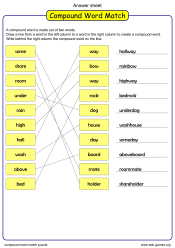
Word Match Game

10 Fun Language Games for Toddlers - Word Match Game
Source: www.edu-games.org

Word Match Game is a fantastic language activity for toddlers that helps them learn new words and improve their vocabulary. The objective of the game is to match objects or pictures with their corresponding word cards. This game not only teaches toddlers to recognize and associate words with objects, but also helps them practice their memory and concentration skills. To play the game, you can lay out the word cards and ask your child to find the matching objects or pictures. It’s a fun way to engage your toddler in language learning and expand their knowledge of different objects and words.

Word Match Game objective and how to play

10 Fun Language Games for Toddlers - Word Match Game objective and how to play
Source: www.whatdowedoallday.com

The objective of the Word Match Game is to help toddlers develop their language and vocabulary skills by matching words with their corresponding objects or images. To play, gather a set of word cards and matching object or image cards. Spread the word cards out on a table or play area and have your toddler find the matching object or image cards. Encourage them to say the words out loud as they make the matches. This game is a fun and engaging way for toddlers to learn and reinforce new words!

Variations of Word Match Game

10 Fun Language Games for Toddlers - Variations of Word Match Game
Source: www.simplefunforkids.com

In addition to the classic Word Match Game, there are several variations you can try with your toddler. One fun variation is using flashcards with pictures instead of words. This helps children make connections between objects and their names, building their vocabulary. Another variation is to use letter cards and have your child match the letter to the corresponding word. This helps them learn letter recognition and phonics skills. You can also create a themed word match game, where all the words relate to a specific topic like animals or colors. This adds an extra level of engagement and makes learning even more exciting for your little one. Get creative and have fun with these variations of the Word Match Game!

Simon Says

10 Fun Language Games for Toddlers - Simon Says
Source: www.funwithmama.com

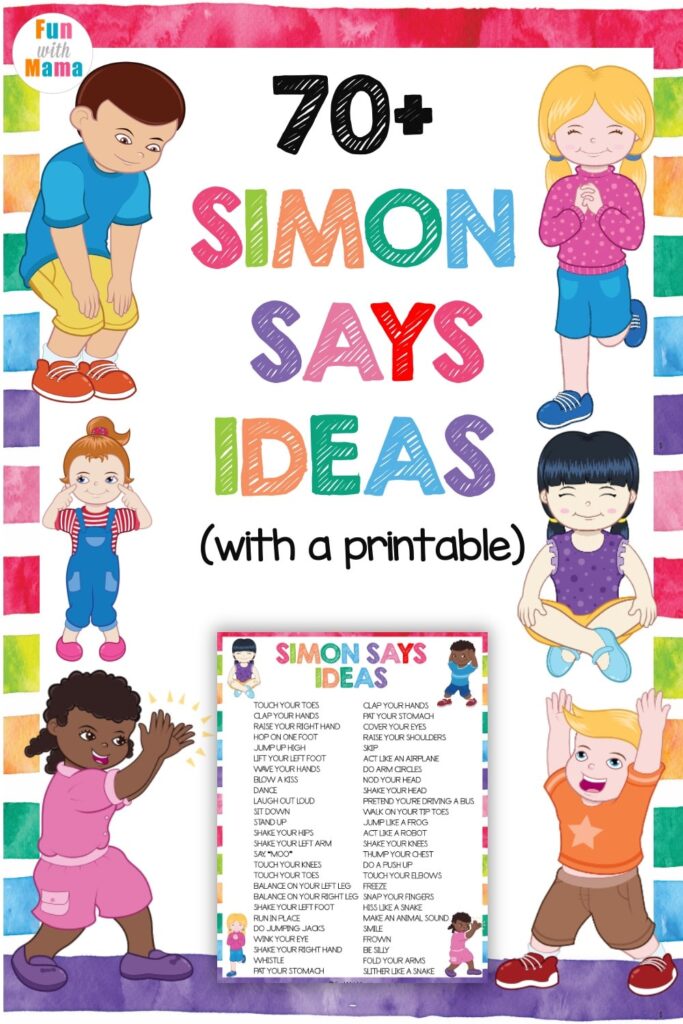
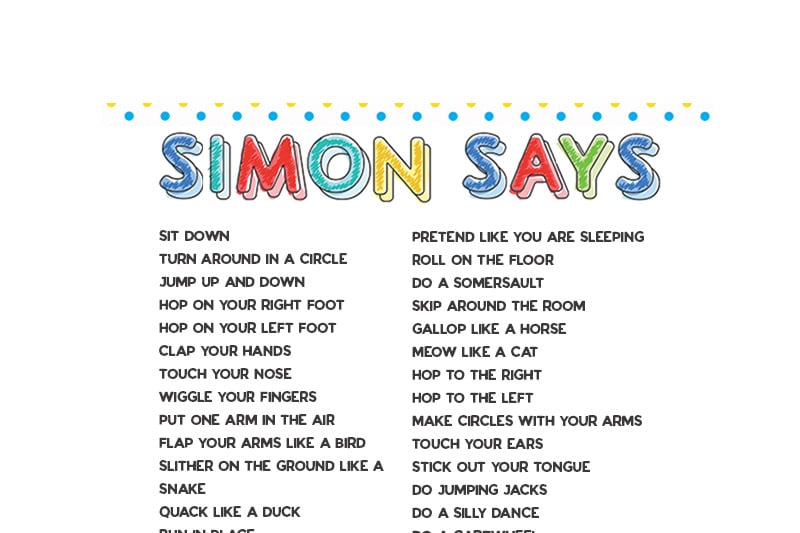
Simon Says is a classic language game that is not only fun but also great for developing listening and vocabulary skills in toddlers. The objective of the game is to follow the instructions given by the leader, but only if they start with the phrase “Simon Says.” For example, “Simon says clap your hands!” This game helps children learn to listen carefully and follow directions while incorporating movement and play. It’s a fantastic way to engage your child and enhance their language development in a playful and entertaining way.

Simon Says objective and how to play

10 Fun Language Games for Toddlers - Simon Says objective and how to play
Source: www.thebestideasforkids.com

Simon Says is a classic language game that can help toddlers improve their listening and following instructions skills. The objective of the game is to listen carefully to the leader’s instructions and only perform actions when the leader says “Simon says.” For example, when the leader says “Simon says touch your nose,” the players must quickly touch their noses. But if the leader simply says “touch your nose,” players should not perform the action. This game is a fun way to enhance language development while engaging in playful activities.

Variations of Simon Says

10 Fun Language Games for Toddlers - Variations of Simon Says
Source: d3eizkexujvlb4.cloudfront.net

Variations of Simon Says offer endless opportunities to keep the game exciting and engaging for your little ones. You can adapt the game to focus on specific language skills such as colors, body parts, or even emotions. Instead of using the traditional “Simon says,” you can also switch it up by using different characters or actions as the leader. This allows your child to practice following directions and learn new vocabulary in a fun and interactive way. Let your imagination run wild and get creative with the variations of Simon Says to make it an even more enjoyable language learning experience for your toddler.

Picture Charades

10 Fun Language Games for Toddlers - Picture Charades
Source: m.media-amazon.com

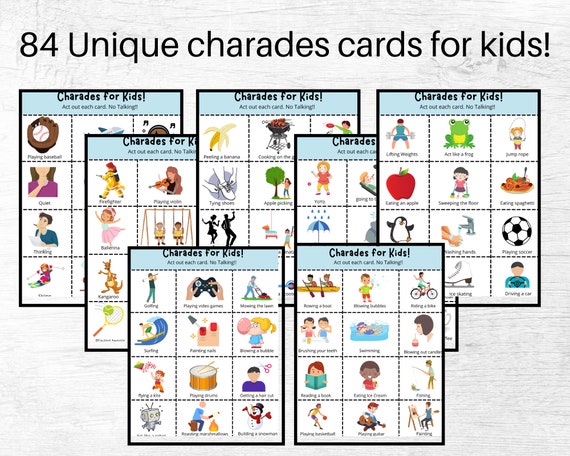
Picture Charades is a super fun language game for toddlers that promotes their communication skills and vocabulary development. In this game, your little one has to act out the name of an object or animal depicted in a picture, while others try to guess what it is. It’s a great way for them to learn new words, while also helping them express themselves through gestures and body movements. Get ready for lots of laughter and imaginative play with Picture Charades!

Picture Charades objective and how to play

10 Fun Language Games for Toddlers - Picture Charades objective and how to play
Source: images.twinkl.co.uk

The objective of Picture Charades is to encourage your toddler’s language development and creativity through visual prompts. To play, gather a variety of picture cards that depict different actions or objects. Then, take turns acting out the picture on the card without using words, while the other players guess what it is. It’s a fun and engaging way to build vocabulary and communication skills!

Variations of Picture Charades

10 Fun Language Games for Toddlers - Variations of Picture Charades
Source: i.etsystatic.com

Here are some variations of Picture Charades that you can try with your toddler:

  1. Animal Charades: Instead of using a mix of objects and actions, focus on different animal movements and sounds. Your toddler can act out being a hopping bunny or roaring like a lion.
  2. Object Charades: Choose objects from around the house and have your toddler act out using or interacting with them. For example, pretend to brush your teeth or stir a pot.
  3. Nature Charades: Take your charades game outside and use elements from nature. Your toddler can act out being a tree swaying in the wind or a bird soaring through the sky.

Remember, the key is to keep the game fun and engaging for your toddler while encouraging language development.

I Spy

10 Fun Language Games for Toddlers - I Spy
Source: m.media-amazon.com

I Spy is a classic language game that toddlers love to play. It’s a great way to enhance your child’s vocabulary and observation skills. To play, you simply say “I spy with my little eye, something that is…” and describe an object in the room. Then, your child tries to guess what it is. It’s a fun and interactive game that can be played anywhere, making it perfect for long car rides or waiting in line at the grocery store. The best part is that it can be adjusted to your child’s language level, making it suitable for toddlers and preschoolers alike.

I spy objective and how to play

10 Fun Language Games for Toddlers - I spy objective and how to play
Source: m.media-amazon.com

I Spy is a classic language game that can be a lot of fun for toddlers. The objective of the game is to help children develop their observation skills and expand their vocabulary. To play, take turns saying “I spy with my little eye, something that is…” and provide a clue about an object in the environment. The other players then take turns guessing what it could be based on the clue. It’s a simple yet engaging game that can be played anywhere and keeps young children entertained while boosting their language development.

Variations of I Spy

10 Fun Language Games for Toddlers - Variations of I Spy
Source: busytoddler.com

Here are some fun variations of I Spy that you can try with your toddler:

  1. Alphabet I Spy: Instead of looking for objects, take turns finding things that start with each letter of the alphabet.
  2. Color I Spy: Choose a color and search for objects around the room that match that color.
  3. Shape I Spy: Challenge your toddler to find objects that match different shapes, such as circles, squares, or triangles.
  4. Sound I Spy: Listen carefully and identify objects based on the sounds they make, such as a ticking clock or a buzzing bee.
  5. Outdoor I Spy: Take I Spy outside and find things in nature, such as birds, leaves, or flowers.
    These variations add a new twist to the classic game and provide even more opportunities for language development and learning. Have fun exploring and discovering together!

Storytelling Game

10 Fun Language Games for Toddlers - Storytelling Game
Source: www.playingwithwords365.com

Storytelling Game is a wonderful activity for toddlers that helps foster their imagination and language development. To play this game, you can start a simple story and then take turns with your child to add on to it. Use props or puppets to make it more engaging. It’s a perfect time to encourage creativity and expand your child’s vocabulary while having fun together!

Storytelling Game objective and how to play

10 Fun Language Games for Toddlers - Storytelling Game objective and how to play
Source: tomedes.gumlet.io

The objective of the Storytelling Game is to encourage your toddler’s imagination and language skills. To play, start a simple story with a few sentences and then let your child add on to the story. You can take turns adding to the story or have your child continue from where you left off. This game helps develop your child’s vocabulary, creativity, and storytelling abilities while having fun together.

Variations of Storytelling Game

10 Fun Language Games for Toddlers - Variations of Storytelling Game
Source: www.scholastic.com

When it comes to variations of the storytelling game, the possibilities are endless! You can try changing the setting of the story, adding in different characters or objects, or even taking turns to continue the story. Another fun variation is the “Once Upon a Time” game, where each person contributes a sentence to create a collaborative story. Get creative and let your imagination run wild – the storytelling game can be as unique and exciting as you make it!

Alphabet Scavenger Hunt

10 Fun Language Games for Toddlers - Alphabet Scavenger Hunt
Source: www.thechaosandtheclutter.com

Alphabet Scavenger Hunt: Now it’s time to put those letter recognition skills to the test! Take your toddler on an exciting adventure as they search for objects that start with each letter of the alphabet. Encourage them to use their imagination and problem-solving skills as they explore their surroundings. This fun activity not only helps with language development but also promotes cognitive skills and creativity. So, grab a piece of paper and let the scavenger hunt begin!

Alphabet Scavenger Hunt objective and how to play

10 Fun Language Games for Toddlers - Alphabet Scavenger Hunt objective and how to play
Source: www.playpartyplan.com

The Alphabet Scavenger Hunt is a fun language game that helps toddlers learn their letters and develop their vocabulary. The objective of the game is to find objects around the house or in nature that start with each letter of the alphabet. You can start by giving your toddler a letter, like “A,” and then go on a search together to find something that starts with that letter, such as an apple or an ant. Encourage your toddler to say the name of the object and the letter it starts with. This game is a great way to make learning the alphabet an exciting adventure!

Variations of Alphabet Scavenger Hunt

10 Fun Language Games for Toddlers - Variations of Alphabet Scavenger Hunt
Source: www.happinessishomemade.net

When it comes to Alphabet Scavenger Hunt, there are so many fun variations you can try with your toddler! Here are a few ideas to mix things up. Instead of finding objects that start with each letter, you can challenge your child to find objects that have the letter somewhere in their name. Another variation is to have your child find objects in different colors for each letter of the alphabet. Get creative and make the scavenger hunt even more exciting for your little one!

Rhyming Game

10 Fun Language Games for Toddlers - Rhyming Game
Source: earlyimpactlearning.com

Rhyming games are a fantastic way to help your child develop their language skills while having fun! In this game, you can take turns saying words that rhyme with each other. For example, you could start with “cat” and your child can respond with “hat.” As they play, they’ll learn about word sounds and improve their vocabulary. It’s a simple yet effective activity that can be enjoyed by toddlers and preschoolers alike.

Rhyming Game objective and how to play

10 Fun Language Games for Toddlers - Rhyming Game objective and how to play
Source: earlylearningideas.com

Playing the Rhyming Game with your toddler is a fun way to boost their language development. The objective of the game is to help your child recognize and create rhyming words. Start by saying a simple word like “cat” and take turns coming up with words that rhyme with it, like “bat” or “hat.” This game helps improve their phonological awareness and expands their vocabulary in a playful and engaging way.

Variations of Rhyming Game

10 Fun Language Games for Toddlers - Variations of Rhyming Game
Source: www.kiddycharts.com

Variations of Rhyming Game:

  1. Rhyming Relay: Divide the children into two teams. Give each team a word, and they have to race to come up with as many rhyming words as possible. The team with the most rhymes wins.
  2. Rhyming Puzzles: Create rhyming word puzzles by cutting up words into different parts and mixing them up. The children have to match the correct rhyming pairs to solve the puzzle.
  3. Rhyme Scavenger Hunt: Hide objects around the house or play area that rhyme with specific words. The children have to find the objects and say the rhyming words out loud.
  4. Rhyming Storytime: Read a rhyming storybook to the children and encourage them to come up with their own rhymes based on the story. They can even create their own rhyming story together.
  5. Rhyme Dance: Play some music and have the children come up with rhyming words while dancing. Each time the music stops, they have to shout out a rhyming word.

These variations of the rhyming game add an extra level of excitement and engagement to the activity, making it even more enjoyable for toddlers while boosting their language development skills.

Hot Potato Game

10 Fun Language Games for Toddlers - Hot Potato Game
Source: earlyimpactlearning.com

Hot Potato Game is a classic and fun activity that can enhance your toddler’s language skills. To play, all you need is a soft ball or a bean bag. Sit in a circle with your little one and pass the object around while playing some music. When the music stops, the person holding the potato has to say a word or answer a simple question. It’s a great way to encourage vocabulary development and quick thinking while having a blast together!

Hot Potato Game objective and how to play

10 Fun Language Games for Toddlers - Hot Potato Game objective and how to play
Source: empoweredparents.co

The Hot Potato Game is a super fun way to improve your toddler’s language skills. The objective is simple: pass the potato (or any soft object) from one person to another as quickly as possible while music plays. When the music stops, the person holding the potato is out. This game helps your child practice taking turns, following directions, and expressing themselves as they shout out the names of the players they pass the potato to. It’s a great way to have a blast while boosting language development!

Variations of Hot Potato Game

10 Fun Language Games for Toddlers - Variations of Hot Potato Game
Source: playtivities.com

When it comes to variations of the Hot Potato game, the options are limitless! You can add a twist by using a different object instead of a potato, like a soft ball or a stuffed animal. You can also change up the music genre or tempo to match the theme of the game. Another fun variation is to have the players pass the “hot potato” using only their elbows or feet. Get creative and make the game your own for endless laughter and enjoyment!

Conclusion

10 Fun Language Games for Toddlers - Conclusion
Source: cdn.planetspark.in

Conclusion: Language games are a great way to promote language development in toddlers and preschoolers. By engaging in fun and interactive activities, children can learn new words, improve their communication skills, and expand their vocabulary. Whether it’s through word match games, storytelling, or rhyming activities, there are plenty of options to choose from. So, grab some picture books, gather some objects, and get ready to play! Encouraging language learning in the early years sets a solid foundation for future literacy skills and overall communication abilities. So, have fun, be creative, and enjoy the language journey with your little one!

Summary of the 10 Fun Language Games for Toddlers

10 Fun Language Games for Toddlers - Summary of the 10 Fun Language Games for Toddlers
Source: i.ytimg.com

So there you have it, a summary of the 10 fun language games for toddlers. These games are a great way to help your little ones develop their communication skills while having a blast. Whether it’s matching words, playing Simon Says, or engaging in imaginative storytelling, these activities are designed to make learning language a fun and enjoyable experience for your child. So go ahead and try them out, and watch your toddler’s language skills blossom!

Tips for creating your own language games.

10 Fun Language Games for Toddlers - Tips for creating your own language games.
Source: tomedes.gumlet.io

Creating your own language games for toddlers is a great way to enhance their language development. To get started, here are some tips for creating your own language games:

  1. Use familiar objects: Incorporate everyday items and objects that your child is familiar with to make the game more relatable and engaging.
  2. Make it interactive: Encourage your child to actively participate in the game by asking questions, using gestures, and making facial expressions.
  3. Keep it simple: Use simple words and phrases that are age-appropriate for your child. This will help them understand and participate more easily.
  4. Incorporate play: Incorporate imaginative play and pretend play into your language games. This will make the experience more enjoyable and encourage your child to use their language skills in a fun way.
  5. Start with open-ended questions: Instead of asking yes or no questions, ask open-ended questions that require your child to use complete sentences and express their thoughts.
  6. Use books and songs: Use favorite books and songs as inspiration for language games. This will help your child make connections between words they already know and new vocabulary.
  7. Take advantage of daily routines: Use daily routines such as bath time, snack time, or getting dressed to incorporate language games. For example, you can ask your child to name different body parts or describe the clothes they are wearing.

Remember, the most important thing is to have fun and create an environment that encourages your child’s language development. Use these tips as a starting point to create your own language games that cater to your child’s interests and abilities.

  • Introduction

Read More
Orange Modern Minimal Blog Writing YouTube Thumbnail
Learning to readParenting Hacks
December 19, 2023 by KRD Team 0 Comments

Demystifying Reading Level Assessments for Parents

This piece compares distinct Reading Level Assessments scales used to determine children’s reading ability, such as the Developmental Reading Assessment (DRA), Guided Reading Levels (GRL), Qualitative Reading Inventory (QRI), and Lexile Levels. Each system has unique methods and scales; for instance, GRL uses alphabetic classifications, while DRA implements numerical markers. The article highlights the advantages of using GRL over DRA, citing its simplicity and widespread use in schools. Understanding these systems can aid parents in supporting their child’s literacy development.

Read More
5-finger-rule-reading-level
HomeschoolLearning to readParenting HacksParenting Tips
December 15, 2023 by KRD Team 0 Comments

How to assess your child’s reading level at home: The Five Finger Test

The Five Finger test: Reading Level Assessment is a simple method for parents to determine their child’s reading level at home. It’s vital to understand reading levels, which categorize books based on difficulty, to select suitable books for the child and support their reading development. Various systems like Lexile, Guided Reading, or Fountas and Pinnell are available to help recognize reading levels.

Read More
Pink Bold Minimalist How To Start Blog YouTube Thumbnail (6)
Parenting Hacks
August 15, 2023 by KRD Team 0 Comments

13 Growth Activities To Raise Critical Thinking Toddlers

Critical thinking skills provide the building blocks for lifelong learning. This blog post explores critical thinking activities for toddlers
through everyday learning activities. Learn how homeshooling parents can nurture skills like curiosity, questioning, logical reasoning, and problem-solving in young children through independent play, interactive reading, modeling behaviors, collaborative activities, and more. Gain insight into why the toddler years present a crucial window of opportunity for cognitive growth. The author provides tips from the perspective of a homeschooling parent aiming to set her child up for success. Whether you’re a parent, caregiver, or early childhood educator, this post outlines best practices for fostering critical thinking in toddlers.

Read More
  • 1
  • …
  • 27
  • 28
  • 29
  • 30
Kids Book Club: For Young Readers (ages 0-12) Personalized for all reading levels
GET COUPON CODE
×

Fantastic!

Please check your email for a coupon good for 50% off your first month when you subscribe for 3-months or more to the Kids Read Daily Book Club. Any question just reply to the e-mail. .

Bestsellers
  • Explore and Discover: Level 1 reading book sets for kids age 3-5 features Children's Non Fiction Books Explore and Discover: Level 1 reading book sets for kids age 3-5 features Children's Non Fiction Books $47.95 Original price was: $47.95.$34.99Current price is: $34.99.
  • 517CfOwcWiL. SY498 BO1204203200 Food Is Fun: I Can Read Level Pre K (I Can Read Kids Books) $12.95
  • Sim The Bot: robot books for kids (Pre Reader Books (Level 0)) Sim The Bot: robot books for kids (Pre Reader Books (Level 0)) $12.95
  • 71KOf4ilUL. SY425 My Day With A Wooly Mammoth $12.95
  • When I Grow Up Books For Kids: I can Read Books Level 1 (Kids Read Daily Level 1) When I Grow Up Books For Kids: I can Read Books Level 1 (Kids Read Daily Level 1)
    Rated 5.00 out of 5
    $12.95 Original price was: $12.95.$12.79Current price is: $12.79.
  • The Girl And The Woolly Mammoth (Kids Read Daily Level 2: First Grade Books) The Girl And The Woolly Mammoth (Kids Read Daily Level 2: First Grade Books) $12.95
  • Seal Pups Big Day (Pre Reader Books (Level 0)) Seal Pups Big Day (Pre Reader Books (Level 0)) $12.95
Recent Posts: KIDS READ DAILY

Kid Engineers Book helps kids learn to Solve problems like an Engineer

Effective Guided Reading Strategies First Grade Sight Words

Effective Guided Reading Strategies First Grade Sight Words

Top Autism-Friendly Vacations: Essential Tips and Ideal Destinations

Top Autism-Friendly Vacations: Essential Tips and Ideal Destinations

Unlocking Literacy: What Does ‘Fonix’ Spell if Not ‘Phonics’?

Unlocking Literacy: What Does ‘Fonix’ Spell if Not ‘Phonics’?

Debate Intensifies Over Reading Teaching Methods After Headteacher’s Death

Debate Intensifies Over Reading Teaching Methods After Headteacher’s Death
Top rated products
  • I Like Astronauts: Astronaut book for girls: Kids space book level 2 (Kids Read Daily Level 2: First Grade Books) I Like Astronauts: Astronaut book for girls: Kids space book level 2 (Kids Read Daily Level 2: First Grade Books)
    Rated 5.00 out of 5
    $12.95 Original price was: $12.95.$11.66Current price is: $11.66.
  • I Like Karate: Kids Read Daily Level 2 (Kids Read Daily Level 2: First Grade Books) I Like Karate: Kids Read Daily Level 2 (Kids Read Daily Level 2: First Grade Books)
    Rated 5.00 out of 5
    $12.95
  • President Barack Obama: The Boy Who Grew Up To Be President President Barack Obama: The Boy Who Grew Up To Be President
    Rated 5.00 out of 5
    $12.95 Original price was: $12.95.$12.50Current price is: $12.50.
  • Human Body Homeschool: Bones: I Can Read Books Level 1 (Kids Read Daily Level 1) Human Body Homeschool: Bones: I Can Read Books Level 1 (Kids Read Daily Level 1)
    Rated 5.00 out of 5
    $12.95
  • When I Grow Up Books For Kids: I can Read Books Level 1 (Kids Read Daily Level 1) When I Grow Up Books For Kids: I can Read Books Level 1 (Kids Read Daily Level 1)
    Rated 5.00 out of 5
    $12.95 Original price was: $12.95.$12.79Current price is: $12.79.
Privacy & Cookies: This site uses cookies. By continuing to use this website, you agree to their use.

To find out more, including how to control cookies, see here: Cookie Policy

Copyright © 2019 LittleDino by WebGeniusLab. All Rights Reserved


Loading Comments...