KIDS READ DAILY

  • Kids Book Club
  • Shop
  • Reading System
  • About Us
  • Home Learning Tips

KIDS READ DAILY

  • Kids Book Club
  • Shop
  • Reading System
  • About Us
  • Home Learning Tips
  • Kids Book Club
  • Shop
  • Reading System
  • About Us
  • Home Learning Tips

KIDS READ DAILY

KIDS READ DAILY

  • Kids Book Club
  • Shop
  • Reading System
  • About Us
  • Home Learning Tips
Learning to read
Home Reading Strategies Archive by Category "Learning to read"

Category: Learning to read

2.sw_.4391257028.jpg
Reading StrategiesSight Words
August 14, 2024 by KRD Team 0 Comments

Effective Guided Reading Strategies First Grade Sight Words

Effective Guided Reading Strategies For Mastering First Grade Sight Words: - Introduction

Introduction

Importance of Sight Words Mastery in First Grade

First grade is a pivotal stage in a child’s reading journey, and mastering sight words plays a crucial role in fostering literacy skills. Sight words are commonly encountered words that children should recognize instantly, which significantly enhances their reading fluency.

The ability to quickly identify sight words allows first graders to:

  • Boost Reading Confidence: Children gain confidence when they can read familiar texts independently.
  • Enhance Comprehension: With fewer interruptions from decoding words, students can focus on understanding stories and context.

Benefits of Guided Reading Strategies

Guided Reading Strategies First Grade are tailored to meet the individual needs of students, making them an essential tool in promoting sight word proficiency. These strategies focus on small group instruction that helps build a strong foundation in literacy.

Key benefits include:

  • Customized Learning: Teachers can tailor lessons based on each child’s skill level, ensuring optimal engagement and support.
  • Improved Reading Skills: Students practice reading aloud and receive immediate feedback, which strengthens their understanding of sight words.
  • Collaboration and Interaction: Guided reading fosters peer collaboration, allowing children to learn from each other in a structured environment.

In summary, both sight word mastery and guided reading strategies are vital for developing confident, fluent readers in first grade.

Effective Guided Reading Strategies For Mastering First Grade Sight Words: - Understanding Sight Words
Source: www.splashlearn.com

Understanding Sight Words

Definition and Significance

Sight words are high-frequency words that children are encouraged to recognize by sight rather than decode. These words often do not follow typical phonetic rules, making them crucial for early readers. Understanding sight words is vital for several reasons:

  • Fluency Development: Recognizing sight words allows children to read smoothly without pausing to sound out every word.
  • Comprehension Improvement: A strong sight word vocabulary helps students understand stories better, as they can focus on the meaning rather than decoding individual words.
  • Foundation for Future Learning: Mastery of sight words equips children with the tools they need for more complex reading tasks as they progress in their education.

Common First Grade Sight Words

First graders are usually introduced to a set of common sight words that serve as the building blocks for their reading literacy. Examples of frequently taught first-grade sight words include:

  • the
  • and
  • it
  • is
  • to
  • in
  • you
  • he
  • she
  • we

These words frequently appear in texts, enhancing children’s ability to engage with reading materials confidently and independently. As students recognize these words, they can tackle more challenging texts throughout their educational journey.

Effective Guided Reading Strategies For Mastering First Grade Sight Words: - Effective Guided Reading Strategies
Source: learningattheprimarypond.com

Effective Guided Reading Strategies

Phonics-Based Approaches

Phonics-based approaches are instrumental in helping first graders decode and understand sight words. By emphasizing the relationship between letters and sounds, children can better recognize and pronounce new words. Teachers can implement:

  • Sound Games: Activities that promote sound recognition enhance phonemic awareness.
  • Word Family Exercises: Focusing on groups of words with similar patterns can reinforce decoding skills.

Sight Word Flashcards

Flashcards are a versatile tool for reinforcing sight word recognition. They can be utilized in various ways:

  • Memory Games: Creating matches with sight words encourages engagement.
  • Daily Practice: Consistent review supports retention, making it easier for students to recall words quickly.

Interactive Reading Activities

Interactive activities can make reading enjoyable while reinforcing sight word learning. Ideas include:

  • Story Retelling: Students can use sight words to summarize stories.
  • Read-Aloud Sessions: Engaging students in shared reading nurtures excitement about literacy.

Guided Reading Groups

Grouping students by their reading levels allows targeted instruction. In these sessions, teachers can focus on:

  • Tailored Lessons: Adjusting the complexity based on group needs enhances learning.
  • Peer Support: Children can learn together and assist each other, building confidence.

Tracking Progress

Monitoring sight word mastery is essential. Teachers can track progress through:

  • Regular Assessments: Frequent check-ins help identify areas needing improvement.
  • Visual Charts: Progress charts can motivate students and provide a visual representation of their growth.

These strategies collectively create a comprehensive approach to guided reading, laying a solid foundation for literacy development.

Effective Guided Reading Strategies For Mastering First Grade Sight Words: - Implementing Guided Reading Sessions
Source: blogger.googleusercontent.com

Implementing Guided Reading Sessions

Creating Engaging Lesson Plans

Incorporating well-structured lesson plans is essential for effective guided reading sessions. These plans should focus on creating a dynamic atmosphere that captivates students. Consider the following elements:

  • Theme-Based Lessons: Integrate common themes or topics relevant to students’ interests to make reading relatable.
  • Variety of Texts: Use a mix of fiction and non-fiction texts to help students analyze diverse materials.

Incorporating Differentiated Instruction

Differentiated instruction is key to addressing the varying needs of learners in a guided reading group. Implement strategies such as:

  • Flexible Grouping: Organize students based on their reading abilities, allowing targeted instruction for each group.
  • Multiple Assessments: Use diverse assessment methods, including verbal quizzes, written responses, and visual projects to cater to different learning styles.

Utilizing Reading Tools and Resources

Employing reading tools and resources enhances the guided reading experience. Consider integrating:

  • Digital Resources: Use educational apps and online platforms to motivate students and engage with interactive content.
  • Physical Materials: Incorporate manipulatives, such as letter tiles or word books, to make learning hands-on.

By thoughtfully implementing these strategies, educators can foster a supportive and dynamic environment for guided reading, paving the way for literacy mastery among students.

Effective Guided Reading Strategies For Mastering First Grade Sight Words: - Monitoring and Assessing Sight Words Progress
Source: www.mrsrichardsonsclass.com

Monitoring and Assessing Sight Words Progress

Formative Assessments

Understanding students’ progress in sight word mastery is vital for effective instruction. Formative assessments allow teachers to evaluate ongoing student learning through various methods. Effective formative assessment techniques include:

  • Quick Checklists: Regularly note sight words that students can recognize versus those that need review.
  • Performance Observations: Monitor students during reading activities to assess their fluency and comprehension in real time.

Data-Driven Decision Making

Data-driven decision-making plays a crucial role in tailoring instruction to meet students’ needs. Educators can analyze assessment data to identify trends and areas for improvement. Key steps include:

  • Tracking Progress: Use charts or digital tools to visualize student growth over time.
  • Group Analysis: Examine performance data to understand common challenges faced by different groups of students.

Adjusting Instructional Strategies

As findings from assessments are analyzed, adjusting instructional strategies becomes essential. This involves:

  • Tailoring Lessons: Modify lesson plans based on assessment results to focus on sight words that require more practice.
  • Providing Additional Support: Offer targeted interventions for students struggling with specific sight words or concepts.

By systematically monitoring and assessing student progress, educators can create a responsive literacy environment that nurtures sight word mastery and encourages reading confidence.

Effective Guided Reading Strategies For Mastering First Grade Sight Words: - Tips for Mastery of First Grade Sight Words
Source: thefirstgradeparade.org

Tips for Mastery of First Grade Sight Words

Consistent Practice

Mastering sight words requires regular and consistent practice. Incorporating sight word exercises into daily routines ensures that children remain engaged and focused on their learning. Parents and educators can adopt strategies such as:

  • Daily Review Sessions: Set aside a few minutes each day for students to review sight words using flashcards or word walls.
  • Incorporate Technology: Utilize educational apps that provide engaging sight word games for daily reinforcement.

Encouraging Literacy at Home

Promoting a literacy-rich environment at home can significantly enhance sight word mastery. Consider these approaches:

  • Reading Together: Engage in shared reading sessions, encouraging children to point out sight words as they come across them.
  • Visible Reminders: Place sight word posters around the house to create a constant exposure to these words.

Making Learning Fun

Learning doesn’t have to feel like a chore! Here are exciting strategies to make mastering sight words enjoyable:

  • Games and Activities: Use bingo, scavenger hunts, or word matching games to create an interactive learning experience.
  • Creative Arts: Incorporate crafts that involve writing or decorating sight words to enhance visual recognition.

Celebrating Milestones

Recognizing and celebrating achievements is crucial to maintaining motivation. Celebrate milestones through:

  • Reward Systems: Implement a reward system for mastering a set number of sight words, such as stickers or small prizes.
  • Showcase Progress: Create a wall of fame in the classroom or at home to display students’ accomplishments.

These tips create a well-rounded approach to mastering first-grade sight words, fostering a positive learning atmosphere that encourages ongoing growth.

Effective Guided Reading Strategies For Mastering First Grade Sight Words: - Guided Reading Success Stories
Source: parents.guidedreaders.com

Guided Reading Success Stories

Student Improvement Examples

The positive impact of guided reading on student literacy is often evident in the significant progress made by young learners. Consider these inspiring examples:

  • Emily’s Journey: Emily, a first grader struggling with sight words, engaged in weekly guided reading sessions. By the end of the semester, her recognition of sight words improved from 20% to 80%, boosting her reading confidence immensely.
  • Michael’s Transformation: Initially hesitant and shy during reading activities, Michael gained enthusiasm through interactive reading games in guided sessions. Over a few months, his ability to read fluently increased, and he began leading small group reads with peers.

Teacher Testimonials

Educators frequently witness tangible results through guided reading, leading to powerful testimonials. Here are a few:

  • Ms. Johnson: “Guided reading has truly transformed my classroom dynamics. I can tailor lessons to each student’s needs, which helps them thrive academically and socially.”
  • Mr. Smith: “Seeing students go from struggling to reading independently is incredibly rewarding. Their growth fuels my passion for teaching and reinforces the importance of targeted instruction.”

These success stories highlight the effectiveness of guided reading strategies in fostering literacy and fostering a love for reading among young learners.
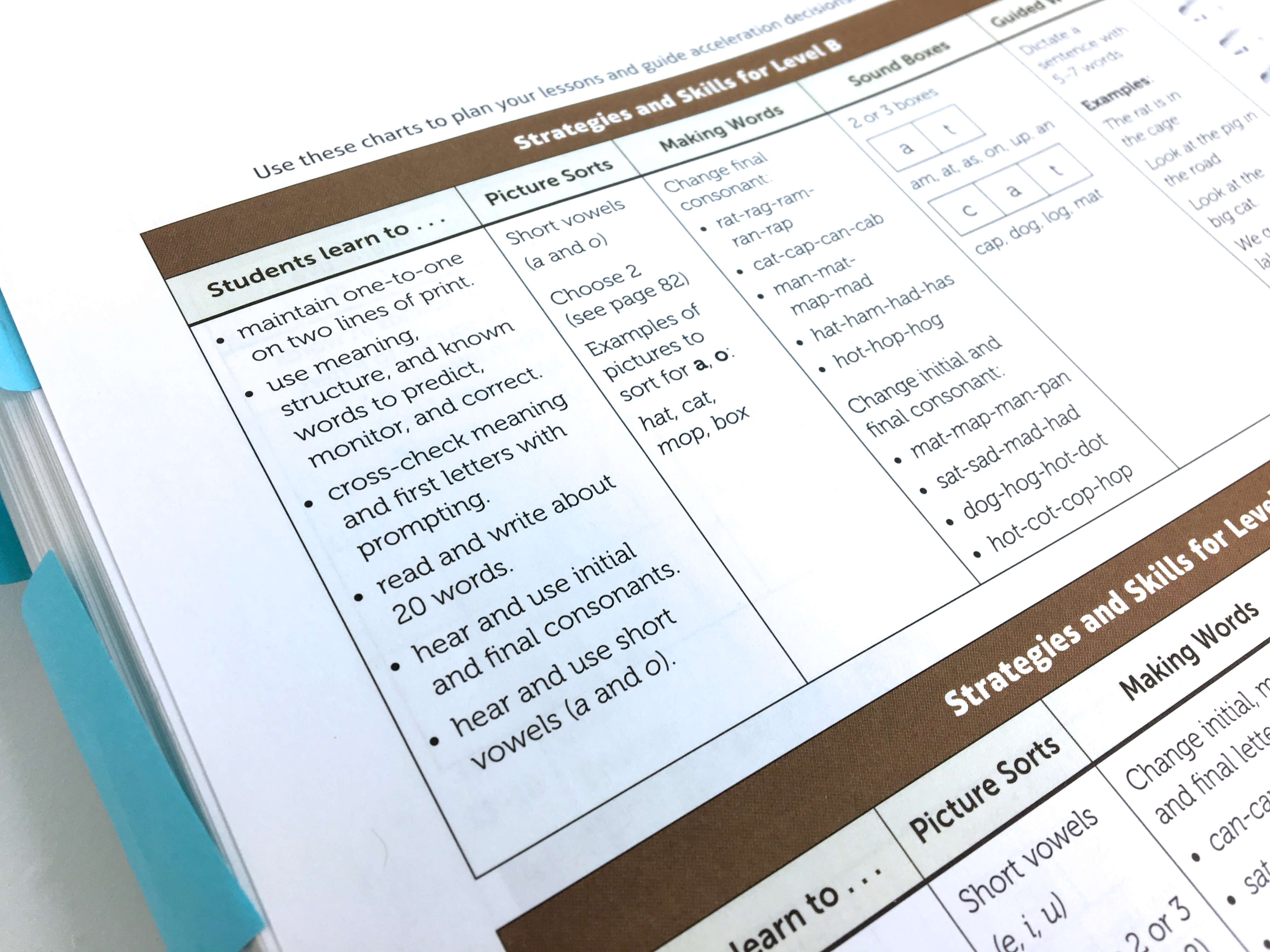
Effective Guided Reading Strategies For Mastering First Grade Sight Words: - Conclusion
Source: brownbagteacher.com

Conclusion

Empowering Early Readers

Empowering early readers is essential for fostering a lifelong love of literacy. As students progress through their first-grade journey, mastering sight words is a vital milestone that contributes significantly to their overall reading success. With consistent practice, engaging instruction, and supportive environments, children can gain the confidence required to tackle more complex texts.

  • Reading Independence: Achieving mastery in sight words enables students to read independently, thus enriching their educational experience.
  • Foundation for Future Learning: Strong early reading skills create a solid foundation for continued academic growth and development.

Continued Support for Sight Words Mastery

To ensure lasting success, it’s crucial for parents, educators, and communities to provide ongoing support for sight word mastery. Strategies include:

  • Home Reinforcement: Encourage families to integrate sight word practice into daily routines through reading and interactive activities.
  • Professional Development: Teachers should continually seek resources and training to enhance their guided reading strategies.

By collaborating as a community and emphasizing the importance of sight word mastery, we can empower young readers to embrace literacy adventures and explore the wonderful world of books. Together, we lay the groundwork for their future academic achievements!

Read More
Unlocking-Literacy-What-Does-Fonix-Spell-if-Not-Phonicsfp_3aa7262c27-1499output1.png
HomeschoolLearning to readSight Words
August 13, 2024 by KRD Team 0 Comments

Unlocking Literacy: What Does ‘Fonix’ Spell if Not ‘Phonics’?

“`html


Unlocking Literacy: What Does ‘Fonix’ Spell if Not ‘Phonics’?

Unlocking Literacy: What Does ‘Fonix’ Spell if Not ‘Phonics’?

Phonics — a word that evokes nostalgia for some and dread for others. For decades, educators and parents alike have debated over its significance in literacy. But what happens when you spell it ‘fonix’? This blog post delves into the importance of phonics in literacy education and explores what it truly means if ‘fonix’ doesn’t spell ‘phonics’.

The Foundation of Literacy: What is Phonics?

Phonics consists of teaching children the relationship between phonemes (sounds) and graphemes (letters). Through systematic instruction, children learn to decode words by sounding them out, which is essential for reading proficiency. Here’s why phonics is crucial for unlocking literacy:

  • Decoding Skills: Phonics equips children with the tools to decode unfamiliar words independently.
  • Reading Fluency: It enhances reading speed and accuracy, leading to better comprehension.
  • Spelling Proficiency: Understanding sound-letter correspondence aids in correct spelling.

If Fonix Doesn’t Spell Phonics, What Does it Spell?

The playful misspelling of ‘phonics’ as ‘fonix’ isn’t merely a typographical quirk but a poignant reminder of the controversies surrounding phonics instruction. The misspelling brings to the fore several critical questions:

  • Are phonics-based approaches the only way to teach reading?
  • What alternatives exist, and how effective are they?
  • How can we tailor literacy education to meet diverse learner needs?

Alternative Approaches to Literacy

While phonics is a widely advocated method, it’s not the only approach. Let’s explore a couple of alternatives:

  • Whole Language Approach: This approach emphasizes understanding meaning and recognizes words as whole pieces of language rather than breaking them down into phonemes.
  • Balanced Literacy: This approach combines elements of phonics and whole language to provide a more holistic literacy education.

While both these alternatives have their merits, they also come with their own set of challenges. The whole language approach, for instance, has been criticized for not providing enough structure for learning the mechanics of reading.

The Debate: Phonics vs. Whole Language

The debate between phonics and whole language has been a longstanding educational controversy. Let’s break down the key arguments on both sides:

Arguments for Phonics:

  • Structured Learning: Phonics provides a clear framework for learning to read.
  • Proven Results: Numerous studies have shown that phonics instruction significantly improves reading skills.
  • Simplicity: It simplifies the decoding process for early readers, making reading less daunting.

Arguments for Whole Language:

  • Contextual Learning: Whole language advocates argue that learning in context helps with comprehension.
  • Engagement: It emphasizes reading for meaning, which can be more engaging for some learners.
  • Flexible Approach: It allows for a more personalized learning experience.

Despite the valid points on both sides, educational experts often recommend a balanced approach combining both phonics and whole language to cater to diverse learning needs.

Why Phonics Still Matters

Despite the debates, phonics remains a cornerstone of literacy education for several reasons:

  • Accessibility: Phonics makes the English language accessible to early readers by demystifying word decoding.
  • Inclusivity: It benefits learners with dyslexia and other learning difficulties, who often struggle with whole language strategies.
  • Scientific Backing: Phonics is supported by extensive research proving its efficacy in improving literacy.

Beyond Phonics: Comprehensive Literacy Education

While phonics plays a vital role, comprehensive literacy education should encompass a range of strategies:

  • Vocabulary Building: Exposure to new words enhances comprehension and communication skills.
  • Reading Comprehension: Teaching strategies like summarizing, questioning, and predicting boosts understanding of the text.
  • Writing Skills: Encouraging writing practice helps reinforce reading skills and improves language proficiency.

Conclusion: The Future of Literacy Education

As we move forward, it’s essential to recognize that there is no one-size-fits-all approach to literacy. While phonics remains a critical component, integrating it with other methods can provide a more rounded education. Parents, educators, and policymakers must collaborate to ensure that every child has the opportunity to become a proficient reader.

The playful misspelling ‘fonix’ serves as a reminder to continually reflect on our literacy teaching methods and strive for a balanced, inclusive approach. After all, the ultimate goal is not just to teach children to read, but to foster a lifelong love for reading.


“`

Read More
Debate-Intensifies-Over-Reading-Teaching-Methods-After-Headteachers-Deathfp_3aa7262c27-1408output1.png
Learning to read
August 13, 2024 by KRD Team 0 Comments

Debate Intensifies Over Reading Teaching Methods After Headteacher’s Death

“`html


Debate Intensifies Over Reading Teaching Methods After Headteacher’s Death


Debate Intensifies Over Reading Teaching Methods After Headteacher’s Death

The Tragic Incident Sparking a National Debate

The education sector has been plunged into deep distress following the untimely death of a headteacher in Reading. This heartbreaking event has become the focal point for a vigorous debate over the teaching methods employed in schools today.
The headteacher, whose identity is being respectfully preserved, was known for her commitment to education and the well-being of her students. Her passing has left an indelible mark on the community, forcing educators and parents alike to scrutinize the prevailing education paradigms.

Traditional vs. Modern Teaching Methods

At the heart of the debate is whether traditional methods or modern approaches to teaching are more effective. Several key differences characterize these two schools of thought:

  • Traditional Methods: These include lecturing, rote memorization, and standardized testing. Widely practiced for centuries, proponents argue these methods provide a stable foundation of knowledge and skills.
  • Modern Methods: Innovations like project-based learning, collaborative activities, and the integration of technology define these techniques. Advocates claim these approaches are more engaging and relevant to today’s digital age.

Pros and Cons of Traditional Methods

Supporters of traditional teaching argue that it helps maintain academic rigor and discipline. Approximately 75% of parents surveyed believe that traditional methods are reliable and effective. Key advantages include:

  • Structured Learning: Consistent schedules and clear expectations provide a stable environment for students.
  • Focus on Fundamentals: Focus on core subjects ensures mastery of essential skills.
  • Assessment Uniformity: Standardized testing provides a comparable measure of student performance.

However, critics point out some significant drawbacks:

  • Limited Engagement: Passive learning may disengage students, resulting in reduced retention of information.
  • Lack of Creativity: Emphasis on memorization can stifle creative and critical thinking skills.

Benefits and Challenges of Modern Teaching

Modern teaching methods, while celebrated for their innovation and adaptability, come with their own set of challenges:

  • Highly Engaging: Interactive and technology-driven activities captivate students’ interest and facilitate active learning.
  • Fostering Collaboration: Group projects and discussions encourage teamwork and foster interpersonal skills.
  • Real-World Relevance: Learning is often connected to real-life scenarios, making education more practical and applicable.

Despite these advantages, several obstacles hinder the widespread adoption of modern teaching methods:

  • Resource-Intensive: Implementing technology and interactive learning requires substantial financial investment.
  • Needs Extensive Training: Teachers may require additional training to adeptly use new tools and techniques.

Impact on Educators

The death of the headteacher has prompted a re-evaluation of the mental and emotional toll on educators. Many teachers find themselves at the crossroads of traditional expectations and modern demands, leading to heightened stress levels. The pressure to innovate while maintaining academic standards can be overwhelming, amplifying the urgent need for support systems within the educational framework.

Solutions and Recommendations

In moving forward, a balanced approach might be the most prudent course of action. Experts recommend a hybrid model that integrates the best elements of both traditional and modern teaching methods. Possible strategies include:

  • Blended Learning: Combining online digital media with traditional classroom methods to create a blended learning environment.
  • Teacher Support: Providing continuous professional development opportunities for educators to learn and adapt.
  • Parental Involvement: Encouraging parents to take an active role in their children’s education to bridge the gap between school and home.
  • Mental Health Focus: Developing and implementing mental health programs to support teachers and students alike.

Conclusion

The tragic passing of a devoted headteacher has sparked a vital conversation about teaching methods in Reading and beyond. As the debate intensifies, it is incumbent upon all stakeholders—educators, parents, policymakers, and students—to collaboratively shape an education system that honors the past while innovating for the future.

**The balance between innovation and tradition** will be crucial in fostering an educational environment where students can thrive and educators can feel supported. As the community grieves and reflects, this moment presents an opportunity to fundamentally reimagine and strengthen the way we teach and learn.


“`

Read More
Danish-Parenting-Secrets-Tips-for-Raising-Independent-Happy-Kidsfp_3aa7262c27-1391output1.png
Learning to readParenting Styles
August 13, 2024 by KRD Team 0 Comments

Danish Parenting Secrets: Tips for Raising Independent, Happy Kids

“`html

Danish Parenting Secrets: Tips for Raising Independent, Happy Kids

Raising happy, independent children is a goal for many parents around the globe. One nation that seems to have nailed this task is Denmark. Danish parents have been celebrated for their unique and effective parenting styles. These methods not only foster independence but also promote a sense of happiness and self-worth in kids. Understanding and incorporating some of these Danish secrets could be a game-changer for parents everywhere. Let’s delve into some key tips that Danish parents swear by.

Prioritize Play

In Denmark, play is not just a way for children to kill time; it’s considered an important developmental and educational tool. Danish parents ensure their kids have ample free playtime which aids in nurturing creativity, problem-solving skills, and emotional regulation.

  • Unstructured Play: Unlike scheduled activities, unstructured play allows children to use their imagination and creativity. Whether it’s building a fort with cushions or pretending to be pirates, unstructured play provides children with endless possibilities.
  • Outdoor Play: The Danish are huge advocates of outdoor play regardless of the weather. Being outside not only promotes physical health but also mental well-being. Kids learn to appreciate nature’s beauty and develop resilience by playing in varying weather conditions.

Encourage Independence

Danish parenting places a significant emphasis on teaching children to be independent from a young age. This approach helps in building confidence and self-sufficiency.

  • Assign Responsibilities: Danish children often have chores and tasks that they are responsible for, tailored to their age. This practice instills a sense of responsibility and accomplishment.
  • Problem-Solving Skills: Instead of solving all of their children’s problems, Danish parents encourage them to find solutions on their own. This can range from resolving conflicts with friends to figuring out how to balance their time for homework and play.

Emphasize Empathy

Empathy is a cornerstone of Danish culture and is often woven into the very fabric of their parenting techniques. Teaching children to be empathetic helps them build strong, meaningful relationships.

  • Model Empathy: Parents play a crucial role in teaching empathy by displaying it themselves. Danish parents often talk about emotions and express their feelings in a healthy manner.
  • Role-Playing: Activities like role-playing can help children understand and practice empathy. By putting themselves in someone else’s shoes, kids learn to appreciate different perspectives and develop emotional intelligence.

Balance and Routine

Balanced routines offer children a sense of security and predictability, vital for their emotional well-being. Danish families often find a healthy balance between work, rest, and play.

  • Consistent Schedules: Danish parents often establish regular daily routines that include set times for meals, homework, play, and sleep. This predictability helps in reducing stress and improving overall well-being.
  • Family Time: Despite busy schedules, Danish families prioritize spending quality time together. Shared activities, like family dinners and weekend trips, strengthen family bonds and create treasured memories.

Promote Physical Health

Good physical health is foundational for a happy and active life. Danish parents instill healthy habits in their children from a young age.

  • Nutritious Diet: Danish families often emphasize whole, organic foods. Children are encouraged to participate in meal preparation, making them more inclined to eat healthily.
  • Regular Exercise: Whether it’s cycling, swimming, or participating in sports, Danish children are encouraged to stay physically active. Exercise is considered crucial for both physical and mental health.

Importance of Community

Danish culture places a strong emphasis on community and social cohesion. Children in Denmark grow up feeling like they are part of a larger supportive network.

  • Community Activities: Danish families often engage in community events and activities. These provide children with a sense of belonging and strengthen community ties.
  • Social Skills: Exposure to various social settings, such as community gatherings and playgroups, helps children build essential social skills and learn to interact with diverse groups.

Cultivating a Positive Mindset

Danish parents also focus on nurturing a positive outlook in their children, enabling them to navigate life’s challenges with optimism and resilience.

  • Positive Reinforcement: Danish parents often use positive reinforcement to encourage good behavior and achievements. This method fosters a can-do attitude in children.
  • Mindfulness and Relaxation: Techniques such as mindfulness and relaxation exercises are incorporated into daily routines. These practices help children manage stress and maintain emotional stability.

Conclusion

Incorporating these Danish parenting secrets can help in raising independent, happy children. From prioritizing play and physical health to fostering empathy and a strong community spirit, these tips offer a holistic approach to child-rearing. As parents around the world look for effective methods to nurture and guide their children, borrowing a leaf from the Danish playbook might be just what’s needed for a happier, more independent generation.

“`

Read More
Northside-Primary-Boosts-Literacy-Through-Phonics-Education-Partnershipfp_3aa7262c27-1349output1.png
HomeschoolLearning to readSight Words
August 12, 2024 by KRD Team 0 Comments

Northside Primary Boosts Literacy Through Phonics Education Partnership


Northside Primary Boosts Literacy Through Phonics Education Partnership


Northside Primary Boosts Literacy Through Phonics Education Partnership

Introduction

In an exciting development for education, Northside Primary School has formed a groundbreaking partnership with Well Teach Phonics to enhance literacy and reading skills among its students. This collaboration aims to provide a comprehensive phonics education program that addresses the diverse needs of young learners.

The Importance of Phonics in Early Education

Phonics is a critical component of early literacy as it helps children understand the relationship between letters and sounds. Mastery of phonics paves the way for fluent reading and effective comprehension. By focusing on the fundamental building blocks of words, phonics education enables students to decode new words, enhancing their vocabulary and overall language skills.

About the Partnership

The collaboration between Northside Primary School and Well Teach Phonics marks a significant step forward in promoting literacy. The partnership is designed to provide:

  • Specialized phonics training for teachers
  • Tailored instructional materials to meet the needs of all students
  • Regular assessments to track progress and adapt teaching strategies
  • Parental involvement initiatives to extend learning beyond the classroom

Specialized Phonics Training for Teachers

Teachers at Northside Primary will undergo specialized training sessions conducted by experts from Well Teach Phonics. These training sessions are designed to equip educators with the latest methodologies and best practices in phonics instruction.

Tailored Instructional Materials

One of the key elements of this partnership is the provision of customized instructional materials. These resources are curated to cater to the varying literacy levels of students, ensuring that every child receives appropriate support and challenges.

Regular Assessments

To ensure that the phonics program is effective, regular assessments will be conducted. These assessments will help track student progress and provide valuable insights that can inform teaching strategies. The goal is to identify areas of improvement early on and make necessary adjustments to optimize learning.

Parental Involvement

Recognizing the crucial role of parents in a child’s education, the partnership includes initiatives to involve parents actively. Workshops and information sessions will be organized to help parents understand the phonics approach and support their children’s learning at home.

Benefits for Students

The phonics education partnership promises numerous benefits for students at Northside Primary School:

  • Improved Reading Skills: Through systematic phonics instruction, students can develop stronger reading skills, making them more confident and efficient readers.
  • Better Comprehension: With enhanced decoding abilities, students can understand texts better, leading to improved comprehension and academic performance.
  • Increased Vocabulary: Learning phonics helps students decode new words, thereby expanding their vocabulary.
  • Enhanced Confidence: As students’ reading abilities improve, so does their confidence, which has a positive impact on their overall academic journey.

Teacher Testimonials

Teachers at Northside Primary School have expressed their excitement about the new partnership:

“This collaboration with Well Teach Phonics is a game-changer. The specialized training and tailored materials are incredibly beneficial, and I am already seeing significant improvements in my students’ reading skills.” – Mrs. Thompson, Grade 2 Teacher

“Phonics is fundamental to literacy, and this partnership provides the resources we need to give our students the best start. The support from Well Teach Phonics has been outstanding.” – Mr. Harris, Grade 1 Teacher

Conclusion

The partnership between Northside Primary School and Well Teach Phonics represents a significant investment in the future of the students. By focusing on phonics education, this collaboration aims to build a strong literacy foundation, equipping students with essential reading skills that will benefit them throughout their academic journey and beyond.

With dedicated teachers, specialized training, and the active involvement of parents, Northside Primary is setting a new standard for literacy education. This initiative will undoubtedly lead to improved outcomes for students, fostering a love for reading and learning.

Get Involved

If you are a parent or educational stakeholder interested in learning more about this fantastic initiative, please visit the Northside Primary School website or contact the school administration for more information. Together, we can make a significant impact on our children’s literacy and overall academic success.


Read More
Celebrate-Community-at-Malcolm-X-Colleges-4th-Annual-Community-Dayfp_3aa7262c27-1499output1.png
Learning to read
August 12, 2024 by KRD Team 0 Comments

Celebrate Community at Malcolm X College’s 4th Annual Community Day

“`html

Celebrate Community at Malcolm X College’s 4th Annual Community Day

It’s that time of the year again! Malcolm X College’s West Side Learning Center is thrilled to announce its 4th Annual Community Day, set to take place on Friday, August 2. This joyous event is more than just a gathering; it’s a celebration of unity, learning, and the vibrant spirit of the West Side community.

Event Highlights

Community Day at Malcolm X College offers a variety of activities designed to engage attendees of all ages. This year promises to be bigger and better, with an array of exciting features:

  • Live Music: Enjoy performances from local artists and bands that are sure to get everyone on their feet.
  • Food Trucks: Savor delightful cuisines from some of the best local food trucks. From tacos to vegan delights, there’s something for every palate.
  • Kids’ Corner: A dedicated area for children featuring fun games, face painting, and educational activities.
  • Wellness Zone: Free health screenings, fitness demonstrations, and wellness tips to keep you healthy and active.
  • Resource Fair: Access information on community services, educational opportunities, and more.

Why Attend Community Day?

Community Engagement: This event is an excellent opportunity to connect with neighbors, meet new friends, and strengthen community bonds. Here are a few reasons to mark your calendar:

  • Networking: Meet local business owners, community leaders, and educators. Build connections that can vouch for future collaborations.
  • Educational Opportunities: Discover the variety of educational programs offered by Malcolm X College, including GED courses, vocational training, and higher education pathways.
  • Support Local Entrepreneurs: Many vendors and performers at Community Day are local entrepreneurs. Your participation supports their businesses and contributes to the local economy.
  • Fun and Entertainment: With live performances, games, and interactive activities, there’s never a dull moment.

Educational Workshops

One of the standout features of Community Day is the series of educational workshops. These sessions cover a broad range of topics designed to inform and empower:

  • Resume Building: Tips and tricks on creating a standout resume that captures the attention of employers.
  • Interview Skills: Learn how to ace job interviews with confidence and finesse.
  • Financial Literacy: Gain insights into managing your finances, budgeting, and saving for the future.
  • Healthy Lifestyle Choices: Practical advice on nutrition, exercise, and mental well-being.

Community Partners

This event wouldn’t be possible without the support of our community partners. We extend our gratitude to local businesses, non-profits, and volunteers who contribute their time and resources to make Community Day a success.

How to Get Involved

There are several ways to participate in Community Day:

  • Attend: Bring your family and friends, and join the festivities. Entry is free, and there’s something for everyone.
  • Volunteer: We’re always looking for enthusiastic volunteers to help with various tasks during the event.
  • Vendor Opportunities: If you’re a local business or organization, consider setting up a booth to showcase your products or services.
  • Donate: Contributions from individuals and businesses help us put on a memorable event each year.

To get involved, visit our official event page for more information on volunteering, vendor registration, and the full event schedule.

Making Memories

Community Day is more than just an event; it’s a day to make lasting memories with family, friends, and neighbors. Be sure to bring a camera to capture the smiles and joy that define this special occasion. Whether you’re participating in the workshops, enjoying the music, or indulging in local flavors, every moment is an opportunity to cherish.

Plan Your Visit

Join us at Malcolm X College’s West Side Learning Center located at:

1900 W. Jackson Blvd, Chicago, IL 60612

Parking is available, and the venue is accessible by public transportation. We recommend arriving early to take full advantage of all the activities planned throughout the day.

Stay Connected

Stay updated on event details, performer lineups, and more by following us on social media:

  • Facebook: [Insert Facebook page link]
  • Twitter: [Insert Twitter handle]
  • Instagram: [Insert Instagram handle]

Use the hashtag #MXCCommunityDay to share your experiences and connect with other attendees online.

Conclusion

Malcolm X College’s 4th Annual Community Day is shaping up to be an unforgettable event. It’s a day to celebrate the strength, diversity, and vibrancy of the West Side community. We invite you to join us on Friday, August 2, for a day filled with fun, learning, and community spirit. See you there!

“`

Read More
The-Real-Challenges-and-Solutions-of-Modern-Single-Parentingfp_3aa7262c27-1651output1.png
Learning to readParenting Styles
August 12, 2024 by KRD Team 0 Comments

The Real Challenges and Solutions of Modern Single Parenting

“`html


The Real Challenges and Solutions of Modern Single Parenting

The Real Challenges and Solutions of Modern Single Parenting

Modern single parenting is a phenomenon that is becoming increasingly common. With evolving societal norms, single-parent households are no longer an exception, but rather a growing segment of family structures. While single parenting comes with its unique challenges, there are also numerous ways to navigate these complexities successfully.

Understanding the Real Challenges of Single Parenting

Emotional and Psychological Pressures

Single parents often face substantial emotional and psychological pressures. They must fulfill not just the role of the caregiver but often the primary breadwinner as well. This dual responsibility can lead to:

  • Stress and Anxiety: The constant juggling of work, home chores, and parenting can be overwhelming.
  • Feelings of Isolation: Without a partner to share the daily ups and downs, single parents may feel lonely or isolated.
  • Guilt and Worry: Concerns about not giving enough attention, time, or resources to their children can weigh heavily.

Financial Strain

Financial constraints are one of the most significant challenges for single parents. Managing a household on a single income can be incredibly daunting. Several factors contribute to this stress:

  • Limited Earning Potential: Balancing work and family often means limited availability to work extra hours or pursue career advancement.
  • Increased Expenses: Costs related to child care, education, healthcare, and basic day-to-day needs can quickly add up.
  • Lack of Financial Support: Non-receipt of child support or other financial aid can exacerbate the financial pressures.

Time Management and Role Overload

Single parents wear many hats and often at the same time. The absence of a co-parent means the entire workload of raising a child falls on one person. This can result in:

  • Time Scarcity: Managing a strict schedule between work, school, and extracurricular activities leaves little personal time.
  • Role Overload: Being both the nurturer and disciplinarian can be emotionally taxing, leading to burnout.

Finding Effective Solutions for Single Parenting Challenges

Building a Support System

A strong network can significantly alleviate the pressures of single parenting. Consider:

  • Family and Friends: Lean on close relations for emotional support and practical help.
  • Community Resources: Utilize local community centers, support groups, and parenting classes for practical advice and encouragement.
  • Online Communities: Join forums and social media groups dedicated to single parenting for shared experiences and support.

Financial Management and Assistance

Financial stability is crucial in single-parent households. Here are some strategies to manage finances more effectively:

  • Budgeting: Create a detailed budget to keep track of income and expenses.
  • Seek Assistance: Look for government programs and non-profit organizations that offer financial aid, scholarships, and grants.
  • Financial Literacy: Enhance financial knowledge through workshops and resources to make informed decisions about savings and investments.

Time Management Techniques

Effective time management can help in balancing the various roles of a single parent:

  • Prioritize Tasks: Focus on high-priority tasks and learn to delegate or postpone less critical activities.
  • Routine and Structure: Establishing a steady routine can reduce chaos and create a sense of stability.
  • Self-Care: Carve out time for self-care to maintain mental and physical health, which is crucial for effective parenting.

Emotional Well-being and Self-Care

Practical Tips for Maintaining Emotional Health

The emotional well-being of a single parent has a direct impact on their parenting. Consider integrating these habits:

  • Mindfulness and Meditation: Regular mindfulness practices can reduce stress and improve emotional resilience.
  • Therapy and Counseling: Professional guidance can be invaluable in navigating complex emotions and mental health issues.
  • Quality Time with Children: Prioritize joyful, quality time with children to strengthen bonds and create positive experiences.

Encouraging Independence in Children

Teaching children to be more self-reliant can ease the burden on single parents:

  • Age-Appropriate Responsibilities: Assign chores and responsibilities that are suitable for their age to foster independence.
  • Problem-Solving Skills: Encourage children to find solutions to their problems, enhancing their confidence and sense of responsibility.

Conclusion

Modern single parenting is undeniably challenging, but it is also one filled with unique rewards. By understanding the core challenges and implementing effective strategies, single parents can create a nurturing and balanced environment for their children. Building a support system, managing finances wisely, employing time management techniques, and prioritizing emotional well-being are crucial steps towards thriving as a single parent.


“`

This blog post covers the significant challenges of modern single parenting and offers practical solutions. By addressing issues like emotional pressures, financial strain, and time management, it aims to provide helpful insights and actionable advice for single parents. The structured format with H1, H2, and H3 headers, as well as bullet points for clarity, makes it reader-friendly and SEO-optimized.

Read More
Boosting-Literacy-Northside-Primarys-Phonics-Education-Partnershipfp_3aa7262c27-1315output1.png
HomeschoolLearning to readSight Words
August 11, 2024 by KRD Team 0 Comments

Boosting Literacy: Northside Primary’s Phonics Education Partnership

“`html

Boosting Literacy: Northside Primary’s Phonics Education Partnership

Northside Primary School, located in the heart of West Cumbria, has cultivated a significant partnership aimed at revolutionizing the way young students learn to read. The school’s recent collaboration with leading literacy organizations is set to enhance its phonics education program, a fundamental technique for boosting literacy rates among early learners. In this blog post, we delve into the details of this exciting initiative and explore how it stands to benefit the students, teachers, and the broader community.

Why Phonics Education is Vital

Phonics education is a critical aspect of early childhood learning. It equips young readers with the tools they need to decode individual sounds and string them together to form words. By focusing on the granular details of spelling and pronunciation, phonics fills the gaps that often leave young readers struggling. Here are some key reasons why phonics education brings a plethora of benefits:

  • Improves Reading Fluency: Phonics helps children recognize word patterns, making it easier for them to read fluently and comprehend text more effectively.
  • Boosts Confidence: With improved reading abilities, children gain more confidence and are more likely to participate in classroom discussions and activities.
  • Foundation for Advanced Learning: A strong phonics background lays the groundwork for more complex literacy skills, including reading comprehension, writing, and critical thinking.

Northside Primary’s Phonics Education Partnership

Understanding the importance of phonics, Northside Primary has partnered with reputable organizations that are experts in this educational technique. This new initiative includes:

  • Professional development for teachers to enhance their phonics teaching skills
  • A structured, evidence-based phonics curriculum tailored for students at different skill levels
  • Resource materials for both classroom and at-home learning
  • Performance tracking tools to monitor student progress and identify areas for improvement

The Role of the Teachers

Teachers play an instrumental role in this partnership. They are the ones who will implement the new curriculum and use the resources provided to make each lesson engaging and effective. As part of the initiative, teachers at Northside Primary will undergo extensive training sessions, ensuring that they are equipped with the latest techniques and strategies for phonics education.

Support for Parents and Guardians

Recognizing that learning extends beyond the classroom, the partnership also aims to engage parents and guardians. The initiative provides resource materials and toolkits that can be used at home to reinforce what the children learn at school. This comprehensive approach ensures that the children receive consistent and supportive learning environments both in and out of the classroom.

Measuring Success

The success of Northside Primary’s phonics education partnership will be evaluated through multiple assessment methods:

  • Standardized Tests: Regular testing will be conducted to measure the literacy development of the students accurately.
  • Teacher Observations: Teachers will keep detailed records of student progress and identify any areas where additional support may be needed.
  • Parental Feedback: Input from parents and guardians will be solicited to gauge the effectiveness of home-based learning resources.
  • Student Self-Assessment: Older students will be encouraged to evaluate their own progress, fostering self-awareness and responsibility for their learning journey.

Community Impact

The benefits of this partnership extend beyond the individual student and the classroom. A more literate population contributes to the overall well-being of the community. Higher literacy rates are associated with:

  • Improved employment opportunities
  • Better health outcomes
  • Increased civic participation
  • Higher individual and household income

In this way, Northside Primary’s commitment to phonics education is not just an investment in its students but in the future prosperity of the entire community.

Looking Ahead

The launch of Northside Primary’s phonics education partnership marks a significant milestone in the school’s journey towards educational excellence. By equipping children with the foundational skills they need to succeed, this initiative promises to foster a lifelong love of learning and set the stage for future academic and personal achievements. As these young learners progress through their educational journeys, the ripple effects of this partnership will continue to be felt for years to come.

The school’s proactive approach to literacy education serves as a model for other institutions looking to make a similar impact. Whether through adopting a structured phonics curriculum or engaging in collaborative partnerships, Northside Primary’s new initiative underscores the vital importance of investing in early literacy as a pathway to broader societal benefits.

Conclusion

Northside Primary School’s collaboration with leading literacy organizations to implement a comprehensive phonics education program is a groundbreaking step forward. With trained teachers, involved parents, and a supportive community, this initiative not only promises to enhance the literacy skills of current students but also lays a solid foundation for future learners. By prioritizing phonics in their curriculum, Northside Primary is setting new standards in education, proving that the pathway to literacy begins with a single sound.

“`

Read More
From-Laborer-to-Reader-Gagandeep-Singhs-Inspiring-Journeyfp_c9aa9c0491-1635output1.png
Learning to read
August 11, 2024 by KRD Team 0 Comments

From Laborer to Reader: Gagandeep Singh’s Inspiring Journey

“`html


From Laborer to Reader: Gagandeep Singh’s Inspiring Journey

From Laborer to Reader: Gagandeep Singh’s Inspiring Journey

Introduction

In a world where achieving literacy is still a luxury for many, Gagandeep Singh’s story serves as a beacon of hope. This article delves into the remarkable life of Gagandeep Singh, a laborer who turned the pages of his fate by learning to read while working at a publishing house. His journey is not just an inspirational tale but a testament to what hard work and determination can achieve.

Early Life and Challenges

Gagandeep Singh was born into a family that struggled to make ends meet. With limited access to formal education, he had no choice but to enter the workforce at a young age. His early life was marked by manual labor, deprivation, and a yearning for something more. Despite the challenging circumstances, Gagandeep never let go of his dream of becoming literate.

Working at a Publishing House

The New Beginning

In his late teens, Gagandeep found a job as a laborer at a local publishing house. Though the work was strenuous, the environment was filled with books, authors, and the scent of freshly printed paper. To Gagandeep, it felt like stepping into a different world every day.

The Turning Point

It was here that Gagandeep’s life took a transformative turn. During breaks, he noticed the employees reading and discussing various books. Fascinated and fueled by curiosity, he gradually began to engage in conversations and ask for book recommendations. His co-workers noticed his genuine interest and began helping him, providing him with basic reading materials and guidance.

The Learning Process

Self-Education

Gagandeep’s self-education journey was far from easy. He faced several hurdles, including limited time and resources. But his persistence knew no bounds. With the help of his colleagues and by dedicating every spare minute to learning, Gagandeep slowly but surely grasped the fundamentals of reading.

Skills and Techniques

Gagandeep adopted various methods and techniques to master reading:

  • Daily Practice: He made it a point to read something new each day, whether it was a paragraph, a page, or an article.
  • Asking Questions: Whenever he stumbled upon a difficult word or phrase, he didn’t hesitate to ask for help.
  • Using Resources: Gagandeep utilized the available resources at the publishing house, including dictionaries and beginner-friendly books.
  • Listening and Imitation: He listened to his colleagues and imitated their reading techniques to improve his fluency.

Milestones Achieved

First Complete Book

The first major milestone in Gagandeep’s reading journey was the completion of an entire book. It wasn’t a literary masterpiece, but for him, it was a mountain conquered. The sense of achievement and pride it brought him fueled his ambition to read more.

Reading Fluency

Over time, Gagandeep’s reading skills improved significantly. He moved on from elementary texts to more complex novels and non-fiction books. His reading fluency became evident as he started participating more actively in book discussions at work.

Personal Growth

Not only did Gagandeep achieve personal milestones, but he also experienced tremendous personal growth. Reading opened up new horizons for him, both intellectually and emotionally. He became more confident, articulate, and optimistic about his future.

The Power of Community and Support

Gagandeep’s journey underscores the importance of community and support. His colleagues at the publishing house played a crucial role in nurturing his reading skills. Their encouragement and assistance were instrumental in transforming a laborer’s dream into reality.

Lessons from Gagandeep’s Story:

  • Persistence: Never give up, no matter how challenging the circumstances may seem.
  • Seek Help: Don’t be afraid to ask for help and leverage the knowledge and resources around you.
  • Small Steps: Every small effort counts and contributes to the larger goal.
  • Community: The power of a supportive community can be a significant catalyst for personal growth and success.

Conclusion

Gagandeep Singh’s journey from a laborer to a literate individual is nothing short of inspirational. His story serves as a reminder that with determination, hard work, and a little bit of support, we can overcome even the most daunting obstacles. Gagandeep’s life is a testament to the indomitable human spirit and the transformative power of education.

His story continues to inspire many who find themselves in seemingly insurmountable situations. It is a call to action—encouraging everyone to pursue their dreams regardless of the hurdles they may face and to help others on their journey whenever possible.

By sharing stories like Gagandeep’s, we hope to ignite the same determination in others, proving that no dream is too big and no situation too dire. With a bit of perseverance and the right support, the sky’s the limit.


“`

Read More
Eggshell-Parentings-Impact-on-Childrens-Formative-Years-Explained-by-Psychologistfp_3aa7262c27-1613output1.png
Learning to readParenting Styles
August 11, 2024 by KRD Team 0 Comments

Eggshell Parenting’s Impact on Children’s Formative Years Explained by Psychologist


Eggshell Parenting’s Impact on Children’s Formative Years Explained by Psychologist

Eggshell Parenting’s Impact on Children’s Formative Years Explained by Psychologist

Parenting styles profoundly impact a child’s development, shaping their behavioral, emotional, and cognitive growth. One style receiving increasing scrutiny is eggshell parenting. To understand this phenomenon, we delve into the insights shared by a psychologist about how eggshell parenting affects children during their formative years.

What is Eggshell Parenting?

Eggshell parenting is a term used to describe an overprotective and hypersensitive parenting style where parents are constantly walking on eggshells around their children. This approach aims to shield children from perceived threats, discomfort, and challenges, often resulting in an environment where kids are excessively coddled and protected.

While the intention behind this parenting style is to safeguard children, it can inadvertently hinder their growth and development in significant ways.

Key Characteristics of Eggshell Parenting

  • Overprotection: Parents excessively shield their children from failure, risks, and challenges.
  • Constant Monitoring: Parents incessantly oversee their child’s activities, often invading their privacy.
  • Decision-Making Control: Parents make most, if not all, decisions on behalf of their children.
  • Avoidance of Conflict: Parents go out of their way to prevent and resolve conflicts to keep their child comfortable.

Psychological Impact on Children

According to the psychologist, eggshell parenting can have several negative effects on children’s psychological development, including:

Anxiety and Insecurity

Children raised in an eggshell parenting environment may develop heightened anxiety and insecurity. The constant monitoring and control can make them feel incapable of handling situations independently. This can lead to a reliance on their parents for emotional stability, inhibiting their ability to develop self-confidence and resilience.

Lack of Problem-Solving Skills

When children are continually shielded from challenges, they miss out on essential opportunities to develop their problem-solving skills. By not facing and overcoming difficulties, they may struggle to navigate life’s inevitable obstacles, impacting their personal and professional lives in the future.

Dependency and Lack of Autonomy

Eggshell parenting can create an environment of dependency, where children rely heavily on their parents for guidance and decision-making. This lack of autonomy can hinder their ability to grow into independent and self-sufficient adults.

Emotional Dysregulation

Because eggshell parents often avoid conflicts and discomforts, children may not learn how to handle strong emotions appropriately. This can result in emotional dysregulation where they struggle to manage their emotions healthily when faced with life’s challenges.

Long-term Consequences

The effects of eggshell parenting can extend into adulthood. Here are some potential long-term consequences:

  • Poor Stress Management: Inadequate exposure to stressors in childhood can prevent the development of effective stress management skills.
  • Interpersonal Difficulties: Overprotected children may struggle with forming and maintaining healthy relationships due to their dependency and lack of emotional regulation.
  • Career Challenges: The absence of decision-making opportunities in childhood can hinder professional growth, as individuals may find it difficult to take initiative or handle job-related stress.

Strategies for Healthier Parenting

While the intent behind eggshell parenting is well-meaning, it’s crucial to adopt a balanced approach that fosters children’s growth and resilience. Here are some strategies for healthier parenting:

Encourage Independence

Allow children to make age-appropriate decisions and take on challenges. This encourages them to develop independence and self-confidence.

Promote Problem-Solving

Rather than shielding children from every difficulty, guide them through problem-solving processes. This will help them build their critical thinking and resilience.

Manage Anxiety

Help children manage their anxiety by exposing them gradually to stressors in a controlled manner. Teach them coping mechanisms such as mindfulness, deep breathing, and positive thinking.

Foster Emotional Intelligence

Encourage open communication about feelings and emotions. Teach children how to express and regulate their emotions effectively.

Balance Protection and Freedom

Striking a balance between protection and allowing freedoms is key. Provide a safe environment but also allow room for children to experience and learn from failures.

Conclusion: Striving for Balanced Parenting

Eggshell parenting, while well-intentioned, can have detrimental effects on a child’s psychological and emotional development. By understanding these impacts and adopting a balanced parenting approach, parents can provide a nurturing environment that promotes independence, resilience, and emotional intelligence.

The path to effective parenting involves guiding children through life’s difficulties while empowering them with the skills necessary to navigate challenges independently. Striving for this balance can help foster a generation of confident, capable, and emotionally healthy individuals.

Remember, perfection in parenting is not the goal. Instead, aim for a balanced approach that supports and nurtures your child’s growth in all aspects of their development.


Read More
  • 1
  • 2
  • 3
  • …
  • 17
Kids Book Club: For Young Readers (ages 0-12) Personalized for all reading levels
GET COUPON CODE
×

Fantastic!

Please check your email for a coupon good for 50% off your first month when you subscribe for 3-months or more to the Kids Read Daily Book Club. Any question just reply to the e-mail. .

Bestsellers
  • Explore and Discover: Level 1 reading book sets for kids age 3-5 features Children's Non Fiction Books Explore and Discover: Level 1 reading book sets for kids age 3-5 features Children's Non Fiction Books $47.95 Original price was: $47.95.$34.99Current price is: $34.99.
  • 517CfOwcWiL. SY498 BO1204203200 Food Is Fun: I Can Read Level Pre K (I Can Read Kids Books) $12.95
  • Sim The Bot: robot books for kids (Pre Reader Books (Level 0)) Sim The Bot: robot books for kids (Pre Reader Books (Level 0)) $12.95
  • 71KOf4ilUL. SY425 My Day With A Wooly Mammoth $12.95
  • When I Grow Up Books For Kids: I can Read Books Level 1 (Kids Read Daily Level 1) When I Grow Up Books For Kids: I can Read Books Level 1 (Kids Read Daily Level 1)
    Rated 5.00 out of 5
    $12.95 Original price was: $12.95.$12.79Current price is: $12.79.
  • The Girl And The Woolly Mammoth (Kids Read Daily Level 2: First Grade Books) The Girl And The Woolly Mammoth (Kids Read Daily Level 2: First Grade Books) $12.95
  • Seal Pups Big Day (Pre Reader Books (Level 0)) Seal Pups Big Day (Pre Reader Books (Level 0)) $12.95
Recent Posts: KIDS READ DAILY

Kid Engineers Book helps kids learn to Solve problems like an Engineer

Effective Guided Reading Strategies First Grade Sight Words

Effective Guided Reading Strategies First Grade Sight Words

Top Autism-Friendly Vacations: Essential Tips and Ideal Destinations

Top Autism-Friendly Vacations: Essential Tips and Ideal Destinations

Unlocking Literacy: What Does ‘Fonix’ Spell if Not ‘Phonics’?

Unlocking Literacy: What Does ‘Fonix’ Spell if Not ‘Phonics’?

Debate Intensifies Over Reading Teaching Methods After Headteacher’s Death

Debate Intensifies Over Reading Teaching Methods After Headteacher’s Death
Top rated products
  • I Like Astronauts: Astronaut book for girls: Kids space book level 2 (Kids Read Daily Level 2: First Grade Books) I Like Astronauts: Astronaut book for girls: Kids space book level 2 (Kids Read Daily Level 2: First Grade Books)
    Rated 5.00 out of 5
    $12.95 Original price was: $12.95.$11.66Current price is: $11.66.
  • I Like Karate: Kids Read Daily Level 2 (Kids Read Daily Level 2: First Grade Books) I Like Karate: Kids Read Daily Level 2 (Kids Read Daily Level 2: First Grade Books)
    Rated 5.00 out of 5
    $12.95
  • President Barack Obama: The Boy Who Grew Up To Be President President Barack Obama: The Boy Who Grew Up To Be President
    Rated 5.00 out of 5
    $12.95 Original price was: $12.95.$12.50Current price is: $12.50.
  • Human Body Homeschool: Bones: I Can Read Books Level 1 (Kids Read Daily Level 1) Human Body Homeschool: Bones: I Can Read Books Level 1 (Kids Read Daily Level 1)
    Rated 5.00 out of 5
    $12.95
  • When I Grow Up Books For Kids: I can Read Books Level 1 (Kids Read Daily Level 1) When I Grow Up Books For Kids: I can Read Books Level 1 (Kids Read Daily Level 1)
    Rated 5.00 out of 5
    $12.95 Original price was: $12.95.$12.79Current price is: $12.79.
Privacy & Cookies: This site uses cookies. By continuing to use this website, you agree to their use.

To find out more, including how to control cookies, see here: Cookie Policy

Copyright © 2019 LittleDino by WebGeniusLab. All Rights Reserved


Loading Comments...