KIDS READ DAILY

  • Kids Book Club
  • Shop
  • Reading System
  • About Us
  • Home Learning Tips

KIDS READ DAILY

  • Kids Book Club
  • Shop
  • Reading System
  • About Us
  • Home Learning Tips
  • Kids Book Club
  • Shop
  • Reading System
  • About Us
  • Home Learning Tips

KIDS READ DAILY

KIDS READ DAILY

  • Kids Book Club
  • Shop
  • Reading System
  • About Us
  • Home Learning Tips
Learning to read
Home Reading Strategies Learning to read Page 10

Category: Learning to read

Lovevery-Launches-Fun-Phonics-Kits-to-Boost-Kids-Reading-Skillsfp_c4e5b6fa31-1461output1.png
HomeschoolLearning to readSight Words
July 20, 2024 by KRD Team 0 Comments

Lovevery Launches Fun Phonics Kits to Boost Kids’ Reading Skills

Lovevery Launches Fun Phonics Kits to Boost Kids’ Reading Skills

Introduction

In today’s fast-paced world, ensuring that children develop strong reading skills is crucial. Enter Lovevery, a brand known for its educational toys and products, which has recently launched an innovative line of phonics kits designed to spark a love for reading in young kids. These kits are not only educational but also make phonics fun and engaging, seamlessly blending learning with play.

What Are Lovevery Phonics Kits?

Lovevery’s new phonics kits are specially curated to help young learners understand the relationship between letters and sounds. These kits come packed with materials and activities aimed at making the learning process enjoyable. Each kit is designed to cater to different stages of a child’s reading journey, ensuring that the activities are suitable for their age and skill level.

Components of the Phonics Kits

  • Interactive Books: These books are designed to introduce phonics in a captivating and child-friendly manner.
  • Flashcards: Colorful and engaging flashcards help reinforce letter-sound relationships.
  • Puzzles: Fun puzzles that challenge kids while helping them recognize words and sounds.
  • Games: Educational games that make learning phonics a playful activity.

How Phonics Helps in Early Reading Skills

Phonics is a method of teaching reading that focuses on the relationship between sounds and their spelling. It has been proven to be highly effective in developing early reading skills in children. By learning phonics, children can:

  • Decode new words more easily
  • Improve their spelling abilities
  • Enhance their reading fluency
  • Build a strong foundation for future learning

In essence, phonics acts as a building block, enabling kids to read with greater accuracy and confidence.

Unique Features of Lovevery Phonics Kits

Several features set Lovevery’s phonics kits apart from other educational tools available in the market:

  • Research-Backed Design: These kits are crafted based on extensive research in early childhood education, ensuring that they align with best practices.
  • Age-Appropriate: The kits are tailored to match different developmental stages, from toddlers to preschoolers, making sure that each activity is suitable for the child’s age and abilities.
  • Engaging Layout: The visual appeal and hands-on nature of the kits keep children interested and eager to learn.
  • Parent-Friendly Guides: Each kit comes with a guide that provides tips and strategies for parents to effectively support their child’s learning journey.

Why Choose Lovevery Phonics Kits?

Choosing the right educational tools for your child can be overwhelming, but Lovevery’s phonics kits stand out for several reasons:

  • Holistic Learning Experience: These kits combine various elements of learning, such as visuals, hands-on activities, and parent involvement, to create a comprehensive learning experience.
  • Fun and Interactive: By making learning an enjoyable activity, these kits help cultivate a lifelong love for reading.
  • High-Quality Materials: The use of durable, child-safe, and eco-friendly materials ensures that the kits are both safe and sustainable.
  • Convenience: With everything you need in one box, these kits offer a hassle-free way for parents to engage their children in meaningful learning activities.

Success Stories

Parents who have used Lovevery’s phonics kits with their children have shared numerous success stories:

“My son absolutely loves his phonics kit! He is always excited to do the activities, and I’ve seen a noticeable improvement in his reading skills. The kit also gives me confidence as a parent, knowing I’m using a well-designed tool to support his education.” – Sarah J.

“Lovevery’s phonics kit has made a huge difference in my daughter’s learning. The books and games are engaging, and she looks forward to our reading time every day. It’s amazing to see her progress and enthusiasm for reading!” – John D.

Conclusion

In summary, Lovevery’s new phonics kits provide a fantastic way to boost kids’ reading skills while making the learning process enjoyable. By incorporating fun, interactive activities and leveraging research-backed methods, these kits set the stage for children to develop strong reading foundations. For parents seeking effective and engaging educational tools, Lovevery’s phonics kits are certainly worth considering.

So why wait? Give your child a head start in their reading journey with Lovevery’s innovative phonics kits and watch them flourish.

Read More
South-Korean-Parents-Withdraw-Socially-to-Understand-Children-Lessons-for-Allfp_c4e5b6fa31-1552output1.png
Learning to readParenting Styles
July 20, 2024 by KRD Team 0 Comments

South Korean Parents Withdraw Socially to Understand Children Lessons for All

South Korean Parents Withdraw Socially to Understand Children: Lessons for All

In the dynamic tapestry of parenthood, South Korean parents seem to have unveiled a profound yet simple technique: withdrawing socially to truly understand their children. It’s an intriguing approach that offers broadly applicable lessons for parents around the globe, fostering stronger familial bonds and more empathetic parenting styles.

Understanding the Concept of Social Withdrawal in Parenting

The idea of social withdrawal isn’t about complete isolation. Instead, it’s a conscious effort to minimize external social engagements, allowing parents to focus more intently on their children’s needs and behaviors.

Why South Korean Parents Are Embracing This Approach

In South Korea, a country known for its high-stress education system and demanding work culture, the pressure on children can be immense. Recognizing this, South Korean parents are making a deliberate choice to step back from their social networks to support their children better.

  • Reducing external distractions: Eliminating unnecessary social interactions helps parents focus entirely on their children’s emotional and educational needs.
  • Creating a supportive environment: With fewer distractions, parents can create a nurturing atmosphere that allows children to thrive.
  • Empathy and understanding: By spending more time with their children, parents can better understand their challenges and feelings.

Scientific Backing for Social Withdrawal in Parenting

Various studies support the idea that parents who are more engaged in their children’s lives can positively impact their development. According to research, high parental involvement correlates with improved academic performance, better social skills, and enhanced emotional well-being in children.

Benefits of Active Parental Involvement

  • Academic success: Engaged parents often provide the motivation and support needed for better academic outcomes.
  • Social skills: Children with involved parents tend to develop stronger social interactions and relationships.
  • Emotional stability: A consistent and understanding parental presence can significantly impact a child’s emotional health.

Practical Steps for Parents Wanting to Implement This Approach

For parents interested in adapting this approach, it’s important to find a balance that suits their family dynamics. Here are some practical steps to help get started:

Evaluate and Prioritize

Begin by evaluating your current social engagements and identifying areas where you can cut back without feeling isolated.

  • **Assess daily routines**: Look for ways to reduce non-essential social commitments.
  • **Set clear priorities**: Focus on activities that reinforce family bonds.
  • **Communicate with your children**: Let them know why you’re making these changes and involve them in the process.

Create Quality Time

Quality time doesn’t necessarily mean large amounts of time; instead, it involves being fully present during interactions with your children.

  • **Daily routines**: Incorporate opportunities for meaningful conversations during daily activities.
  • **Shared interests**: Engage in activities that both you and your children enjoy.
  • **Emotional check-ins**: Regularly discuss your children’s feelings and experiences.

The Broader Impact of Socially Withdrawn Parenting

Beyond individual families, this approach can have a wider societal impact. By fostering better parent-child relationships, communities can benefit from healthier, more well-adjusted individuals.

Long-Term Benefits for Society

  • **Stronger family units**: Families that communicate well are more resilient.
  • **Enhanced community health**: Emotionally supported children grow into well-rounded adults, contributing positively to society.
  • **Informed future generations**: Children raised with strong parental involvement are more likely to adopt similar practices with their own families.

Lessons for Parents Worldwide

While this approach has gained traction in South Korea, its principles are universally applicable. Parents worldwide can draw valuable lessons from this method to enhance their parenting strategies and build stronger family connections.

Universal Takeaways

  • **Prioritize family**: Reducing unnecessary social commitments can help prioritize family time.
  • **Focus on communication**: Open, honest dialogue with children is essential for understanding their needs and emotions.
  • **Be present**: Quality time spent with children can have long-lasting positive effects on their development.

Conclusion

In the face of modern pressures, the sanity-saving act of social withdrawal by South Korean parents offers a refreshing perspective on parenting. By focusing on their children, these parents are fostering environments where their kids can feel understood and supported. This practice not only strengthens the parent-child bond but also sets a foundation for healthier communities. Whether you’re in South Korea or anywhere else in the world, the lessons drawn from this approach can be a valuable addition to effective parenting techniques.

Read More
Debate-Surrounding-Governments-Early-Childhood-Phonics-Checks-Proposal-Intensifiesfp_5e997b69d8-1594output1.png
HomeschoolLearning to readSight Words
July 19, 2024 by KRD Team 0 Comments

Debate Surrounding Government’s Early Childhood Phonics Checks Proposal Intensifies

Debate Surrounding Government’s Early Childhood Phonics Checks Proposal Intensifies

The government’s recent proposal to implement mandatory phonics checks for early childhood education has sparked diverse reactions. The proposal, aimed at ensuring young children grasp foundational literacy skills, has been met with both support and criticism. In this article, we dive deep into the various perspectives surrounding this contentious issue.

The Premise of the Phonics Checks Proposal

The government’s intention behind the phonics checks is straightforward: to verify that children in the early stages of education—particularly in kindergarten and early primary years—possess the essential phonics skills needed for developing proficient reading abilities.

What Are Phonics Checks?

Phonics checks are assessments designed to measure a child’s ability to decode and recognize basic sounds of letters and blends of letters that comprise words. This initiative aims to:

  • Identify children struggling with phonics early on.
  • Provide timely interventions to boost literacy skills.
  • Ensure a standardized approach to early literacy education across educational institutions.

Support for the Proposal

Proponents of the mandatory phonics checks argue that this initiative is crucial in combating illiteracy and ensuring that no child falls behind in their reading abilities.

Key Arguments from Supporters

Several reasons are cited by those who favor the phonics checks, including:

  • Early Detection and Intervention: By identifying children who struggle with phonics early, educators can intervene with targeted support.
  • Consistency in Teaching Standards: Phonics checks can create a uniform standard of literacy education, ensuring all students are given an equal opportunity to succeed.
  • Empirical Evidence: Various studies have shown that strong phonics skills are correlated with better reading and comprehension abilities later in life.
  • Bridging Educational Gaps: Phonics checks can help bridge the educational gaps exacerbated by socioeconomic disparities.

Quotes from Supporters

Advocates of the phonics checks have voiced their approval, emphasizing the long-term benefits of such assessments. For instance, educational psychologist Dr. Jane Andrews stated:

“Phonics checks are one of the most effective ways to ensure that children are not left behind in their literacy journey. Early intervention can significantly enhance a child’s academic trajectory.”

Criticism and Concerns

Despite the intended benefits, the proposal has also faced substantial criticism from various quarters. Opponents of the initiative have raised several concerns.

Main Points of Contention

Critics argue that mandatory phonics checks may have unintended consequences:

  • Overemphasis on Testing: There are concerns that an excessive focus on testing could lead to a narrowed curriculum, restricting broader learning experiences.
  • Stress and Anxiety: Subjecting young children to formal tests may induce unnecessary stress and anxiety, which could impact their overall learning experience.
  • One-Size-Fits-All Approach: Critics argue that a standardized phonics check does not account for the diverse learning needs of individual children.
  • Resource Allocation: Implementing nationwide phonics checks could be resource-intensive, potentially diverting funds from other critical areas of education.

Voices of Dissent

Many educators and parents have voiced their concerns over the proposed phonics checks. For instance, primary school teacher Sarah Martinez commented:

“While phonics are essential, the emphasis on formal testing at such an early age could overshadow the importance of a holistic and engaging learning environment for young children.”

A Balanced Perspective

With strong arguments on both sides, it’s essential to consider a balanced approach to the phonics checks proposal.

Potential Compromises

To address the concerns while still reaping the benefits of phonics checks, several compromises can be explored:

  • Flexible Assessment Methods: Allow for flexible and less intrusive methods of assessing phonics skills, such as observational assessments.
  • Holistic Curriculum: Ensure that the phonics checks do not overshadow the importance of other aspects of early childhood education, such as play-based learning and social development.
  • Parental Involvement: Engage parents in the process and provide them with resources to support their child’s phonics learning at home.
  • Ongoing Professional Development: Offer continual professional development for teachers to effectively integrate phonics teaching within a broader educational framework.

Conclusion

The debate surrounding the government’s proposal to mandate early childhood phonics checks reflects the complexity of educational policy-making. While the intention is to enhance literacy and provide timely support to struggling learners, it is crucial to address the concerns raised by educators and parents.

A balanced and thoughtful approach can ensure that the phonics checks serve their intended purpose without compromising the overall quality and joy of early childhood education. As the conversation continues, it remains imperative that all stakeholders work collaboratively to create an educational environment that supports the diverse needs of every child.

Read More
Boost-Early-Literacy-6-Essential-Tips-for-Educators-Supporting-Young-Readersfp_c4e5b6fa31-1457output1.png
HomeschoolPhonics
July 19, 2024 by KRD Team 0 Comments

Boost Early Literacy: 6 Essential Tips for Educators Supporting Young Readers

Boost Early Literacy: 6 Essential Tips for Educators Supporting Young Readers

Early literacy is the cornerstone of lifelong learning and educational success. Educators play a pivotal role in fostering a love for reading in young children. Here are six essential tips to help educators support young readers and boost early literacy in their classrooms.

1. Create a Print-Rich Environment

Engaging young minds starts with the classroom environment. A print-rich setting does wonders in helping children become comfortable with words and texts.

Include Various Reading Materials

  • Books: Ensure a wide selection of genres and levels to cater to diverse interests and reading abilities.
  • Labels and Signs: Label objects around the room to help learners associate words with real-world items.
  • Charts and Posters: Display educational posters and word charts to enhance visual literacy.

Dedicated Reading Corners

Designate a cozy reading corner to create an inviting space where children can enjoy books. Include comfortable seating and a variety of reading materials to make it an attractive spot for young readers.

2. Integrate Phonics and Word Recognition

Phonics instruction is essential for helping children decode words and improve their reading fluency.

Phonics Activities

  • Sound Matching Games: Use playful activities to help children associate sounds with letters.
  • Blending Exercise: Practice blending sounds to form words, which is a key skill in early reading development.
  • Decodable Books: Provide books that reinforce phonics rules and allow children to practice newly learned skills.

High-Frequency Words Practice

Encourage frequent practice of sight words to build recognition speed and reading confidence. Utilize flashcards, word walls, and interactive games to make learning high-frequency words engaging and fun.

3. Encourage Daily Reading Practice

Consistent reading practice is crucial for developing strong reading habits and skills.

Reading Aloud Sessions

Make daily read-aloud sessions a part of your routine. This not only models fluent reading but also exposes children to new vocabulary and sentence structures.

Independent Reading Time

Give students ample opportunities for independent reading. Allow them to choose books that interest them to cultivate a genuine love for reading.

4. Implement Interactive Read-Alouds

Interactive read-alouds engage students and improve comprehension through discussion and active participation.

Ask Open-Ended Questions

  • Before Reading: Predict what the story might be about based on the title and illustrations.
  • During Reading: Ask questions about characters’ motivations and plot developments.
  • After Reading: Discuss moral lessons or relate the story to students’ personal experiences.

Use Expressive Reading

Read with expression to bring stories to life. Use different voices for characters and modulate your tone to convey emotions. This makes the story more engaging and helps children understand the text better.

5. Foster a Reading-Positive Culture

Creating a classroom culture that celebrates reading can motivate young students to become enthusiastic readers.

Celebrate Reading Achievements

  • Reading Logs: Keep track of books read and reward milestones with certificates or small prizes.
  • Book Reviews: Allow students to share their favorite books and why they enjoyed them.

Reading Role Models

Invite guest readers, such as parents or community members, to read to the class. Seeing adults engaged in reading can inspire children to follow suit.

6. Incorporate Technology

Technology can be a powerful tool in supporting early literacy through interactive and multimedia resources.

Educational Apps and Games

  • Phonics Apps: Use apps that reinforce phonics and word recognition through fun activities.
  • Reading Comprehension Tools: Interactive eBooks and educational games can make learning more dynamic.

Digital Storytelling

Incorporate multimedia presentations and digital storybooks to teach reading. These tools can provide diverse and engaging content to complement traditional reading materials.

Conclusion

Supporting early literacy in young readers is a multifaceted approach that requires a combination of strategies. By creating a print-rich environment, integrating phonics and word recognition, encouraging daily reading practice, implementing interactive read-alouds, fostering a reading-positive culture, and incorporating technology, educators can significantly enhance the literacy skills of their students. These essential tips not only help children develop reading abilities but also foster a lifelong love for reading.

“`

Read More
Revolutionary-Education-A-School-Led-by-Its-Studentsfp_c4e5b6fa31-1313output1.png
Learning to read
July 19, 2024 by KRD Team 0 Comments

Revolutionary Education: A School Led by Its Students

Revolutionary Education: A School Led by Its Students

Introduction

The traditional model of schooling, where teachers deliver lectures, students passively absorb information, and the curriculum is strictly defined by educational authorities, is being challenged. Imagine a school where students make the rules, decide which subjects to study, and take an active role in their own education. Welcome to the concept of student-led education, a revolutionary approach that’s gaining traction around the globe.

What is Student-Led Education?

Student-led education, also known as self-directed learning or student-centered learning, emphasizes the involvement of students in the decision-making processes related to their education. Unlike conventional schools, where the agenda is set by teachers and administrators, student-led schools give pupils more control over their learning experience.

Key Features of Student-Led Education

  • Autonomy: Students have the freedom to choose what they want to learn and how they want to learn it.
  • Collaboration: Learning in groups and through discussions is encouraged, fostering a sense of community and mutual support.
  • Personalized Learning: Educational pathways are tailored to individual interests, strengths, and needs.
  • Critical Thinking: Students are encouraged to ask questions, think critically, and challenge existing knowledge.

Benefits of Student-Led Schools

Student-led education brings a plethora of benefits, addressing some of the fundamental issues within traditional schooling systems. Here are some notable advantages:

Enhanced Engagement

When students have a say in their education, they are naturally more engaged. Autonomy in learning leads to higher levels of enthusiasm and a genuine interest in acquiring knowledge. Engagement is a crucial factor in retaining information and achieving long-term educational success.

Development of Lifelong Learning Skills

Critical thinking, problem-solving, and self-discipline are just a few of the essential skills honed in a student-led environment. These competencies are not only vital for academic success but also for personal and professional growth in adulthood.

Boosting Confidence and Leadership Qualities

By being involved in decision-making processes, students develop a sense of ownership and responsibility over their education. This instills confidence and nurtures leadership qualities, preparing them for future roles in society.

Challenges of Implementing Student-Led Education

Despite its benefits, student-led education is not without challenges. Transitioning from conventional methods to a more democratic model can be complex.

Resistance to Change

Both educators and parents might resist a shift away from traditional schooling methods, valuing the structure and consistency they provide. Addressing these concerns through open communication and pilot programs can help ease the transition.

Resource Intensive

Implementing a student-led approach requires significant resources, including trained facilitators, adaptable curriculums, and learning materials that cater to diverse interests. Investment in these areas is crucial for the success of the model.

Balancing Freedom with Guidance

While autonomy is vital, striking a balance between freedom and necessary guidance is essential. Educators must find a way to support students in making informed decisions without stifling their independence.

Successful Examples of Student-Led Schools

Several schools around the world have successfully implemented student-led models, showcasing its potential to transform education.

Sudbury Valley School

Located in Framingham, Massachusetts, Sudbury Valley School has been a pioneer in student-led education since 1968. The school operates without a traditional curriculum, and students are free to explore their interests at their own pace. The success of its alumni stands as a testament to the efficacy of this approach.

Summerhill School

Established in 1921 in Suffolk, England, Summerhill School is one of the oldest democratic schools. It operates under the principle that children learn best when they are happy and free to pursue their passions. The school’s flexible timetable and optional classes create an environment where students thrive.

Conclusion

The revolutionary concept of student-led education presents a promising alternative to traditional schooling. By prioritizing student autonomy, personalized learning, and critical thinking, this model can address many of the limitations seen in conventional education systems. As more schools embrace this approach, the future of education looks brighter, with empowered, engaged, and confident learners at the helm.

Read More
sight-word-was_page_21208005376.jpg
Kids ActivitiesLearning to read
July 19, 2024 by KRD Team 0 Comments

9 Fun and Easy Tips to Teach Your Child to Read – Begin Learning

How to Teach a Child to Read: 9 Fun and Easy Tips - Begin Learning
Source: i0.wp.com

9 Tips to Teach a Child to Read: Fun and Easy Methods

## Table of Contents

1. Focus on Letter Sounds over Letter Names

2. Introduce Sight Words Gradually

3. Use Rhyming Games and Songs

4. Read Together Every Day

5. Create a Print-Rich Environment

6. Encourage Storytelling and Writing

7. Play Alphabet Games

8. Be Patient and Positive

9. Provide Plenty of Praise and Encouragement

Teaching a child to read can feel like navigating through a maze of information and methods, but it doesn’t have to be complicated. Based on my experience, these tips are both simple to incorporate into your daily routine and incredibly effective. Your child will gain foundational reading skills while also having a lot of fun!

Focus on Letter Sounds over Letter Names

You might remember learning that “b stands for ball” in school. However, when you say the word “ball,” it sounds quite different than the standalone letter “b.” By focusing on letter sounds (phonemes) instead, you’re giving your child the tools they need to decode words naturally. For example, when teaching the word “cat,” emphasize the sounds /k/ /a/ /t/ rather than just the letters C, A, and T.

Introduce Sight Words Gradually

Sight words are words that appear frequently in text and often don’t follow regular phonetic patterns. Words like “the,” “and,” “it,” and “is” are good examples. Gradually introducing these words will help your child recognize them instantly, making reading smoother and more enjoyable. Flashcards and simple memory games can be helpful tools here.

Use Rhyming Games and Songs

Rhyming games and songs are not only fun, but they also teach children about word patterns and sounds, which are crucial for reading. Nursery rhymes, children’s songs, and even making up your own rhymes can make learning phonics a joyous activity.

Read Together Every Day

Reading with your child every day is perhaps the most impactful tip. Choose a variety of books that capture their interests. Take turns reading, or let them read to you if they’re ready. Discuss the story, ask questions, and make predictions. This shared activity nurtures a love for reading and builds comprehension skills.

Create a Print-Rich Environment

Surrounding your child with printed words can significantly boost their interest in reading. Label common household items, create a reading nook stocked with their favorite books, and display their artwork along with written descriptions. This makes reading a natural part of their environment.

Encourage Storytelling and Writing

Encourage your child’s creativity by allowing them to tell and write their own stories. Start with drawings and have them describe what’s happening. As they grow more confident, let them write sentences or short stories. This not only enhances their reading skills but also sparks their imagination.

Play Alphabet Games

Alphabet games can make learning letters exciting and interactive. Puzzles, magnetic letters on the fridge, and online educational games are all fantastic options. Incorporate these games into your routine for a playful way to reinforce letter recognition.

Be Patient and Positive

Learning to read is a process and can sometimes be slow-going. Patience and a positive attitude go a long way. Celebrate small milestones and offer encouragement, ensuring your child feels confident and motivated to keep learning.

Provide Plenty of Praise and Encouragement

Don’t forget to celebrate your child’s efforts and successes, no matter how small. Praise and encouragement build confidence and reinforce the joy of learning. Acknowledge their progress and make reading a rewarding experience for both of you.

Introduction

When it comes to teaching a child to read, the plethora of information can often feel overwhelming. Everyone seems to have an opinion, and debates over the best reading models can become quite intense. But, worry not! I’ve gathered some simple, fun, and easy-to-incorporate tips to help your child build foundational reading skills while keeping the experience enjoyable for both of you.

Importance of Early Reading Skills

Early reading skills are crucial for children’s academic success and their overall development. When kids start learning how to read at an early age, it sets the stage for better comprehension, cognitive skills, and even social interaction. Reading isn’t just about decoding words; it’s about understanding and enjoying stories, expanding vocabulary, and developing a lifelong love for literature. Starting with the right techniques can make all the difference, paving the way for confident and proficient young readers.

Overview of the 9 Fun and Easy Tips

1. **Focus on Letter Sounds over Letter Names**

We used to learn by associating letters with objects, like “b stands for ball.” However, saying “ball” sounds different than the letter “b” by itself. Focus on the sounds letters make; this phonemic awareness helps kids to decode words more effectively.

2. **Incorporate Reading into Daily Routine**

Make reading a natural part of your child’s day. Whether it’s a bedtime story, reading labels at the grocery store, or following a recipe together, integrating reading into daily activities can reinforce skills without it feeling like a chore.

3. **Use Rhyming Games and Songs**

Children love songs and rhymes, and they are fantastic for learning phonics and sound patterns. The rhythmic repetition helps kids remember words and sounds. Try nursery rhymes, songbooks, or even make up your own silly rhymes together.

4. **Read Aloud and Discuss**

Reading aloud to your child allows them to hear the rhythm and flow of language. Discuss the storyline, ask questions, and encourage them to predict what happens next. This not only improves comprehension but also makes reading a shared, interactive activity.

5. **Introduce Books with Repetition**

Books that use repetitive language patterns give children a sense of success when they can predict and ‘read’ along with you. It boosts their confidence and reinforces word recognition.

6. **Create a Print-Rich Environment**

Surround your child with words. Label things around the house, have a variety of books easily accessible, and let them see you read, too. This constant exposure makes reading a familiar and integral part of life.

7. **Practice with Phonics Games**

Phonics games can be a fun way for kids to learn how to connect sounds to letters. There are plenty of apps, online games, and physical board games tailored to teach phonics in an engaging manner.

8. **Engage in Storytelling and Role-Playing**

Encourage your child to tell stories or act out scenes from their favorite books. This stimulates imagination and helps with narrative skills and understanding plot structure. Plus, it’s a lot of fun!

9. **Be Patient and Celebrate Progress**

Every child learns at their own pace. Celebrate small victories along the way to keep your child motivated. Positive reinforcement and patience go a long way in fostering a love for reading.

With these tips, you can create a supportive and joyful learning environment that nurtures your child’s budding reading abilities. Remember, the goal is to make reading an exciting adventure rather than a task. Happy reading!

Focus on Letter Sounds over Letter Names

When it comes to teaching kids how to read, I always find it more effective to prioritize letter sounds over letter names. This might feel like a small tweak, but trust me, it can make a world of difference! Let’s dive into why this approach works so well and how you can implement it easily into your daily routines.

The Phonemic Advantage

By focusing on the sounds that letters make rather than their names, you’re helping your child build phonemic awareness—a crucial skill for decoding words. For example, when you say the word “ball,” you’re not hearing individual sounds like “buh,” “aaa,” and “lll,” which isolates the “b” sound they need to recognize in other words. When kids understand that the letter “b” makes the sound “buh,” they can start to decode and read words more efficiently.

It’s interesting to see how this little change can pave the way for quicker and more confident reading. Kids often get thrown off when they try to apply letter names to words and find they don’t always fit seamlessly. Understanding the alphabet on a phonetic level makes the transition to reading smoother and more intuitive.

Practical Activities for Sound Recognition

So, how can you make this fun and practical for your little learner? Here are a couple of activities I’ve found incredibly useful:

**Sound Matching Games:** Create a set of cards with pictures and a different set with letters. Ask your child to match the pictures with the corresponding beginning sound. For instance, match the letter “m” with a picture of a mouse. These kinds of games make learning active and engaging.

**Phonics Songs:** Kids love songs, and there’s no shortage of phonics songs on platforms like YouTube. These songs usually repeat sounds in catchy tunes, making it easier for your child to remember. You could even sing one together during car rides or while tidying up toys.

**Sound Hunts:** Turn your home into a treasure hunt! Pick a sound for the day and ask your child to find objects around the house that start with that sound. For example, if the sound is “d,” they might find a doll, dice, or dog. It can be a playful way to reinforce what they’ve learned.

**Reading Aloud with Emphasis:** When reading to your child, make it a habit to emphasize the sounds of letters in words. You might say, “Look, cat! C-c-cat. Do you hear how the word starts with the sound ‘k’?” Discussing these sounds naturally during storytime can have a huge payoff.

Incorporating these simple activities into your routine can help make letter sounds more familiar and less of a mystery to your child. Plus, they are enjoyable ways to spend time together while nurturing their reading skills. As you take this journey together, remember to celebrate each little milestone, making reading feel like the exciting adventure it truly is!

Use Rhyming and Singing

As a parent, I’ve found that children love songs and rhymes, and I can’t emphasize enough how fantastic they are for learning phonics and sound patterns.

Benefits of Musical Learning

One key benefit of integrating songs and rhymes into your child’s reading routine is how the rhythmic repetition helps them remember words and sounds effortlessly. Kids tend to retain information better when it’s presented in a fun, engaging manner. Nursery rhymes, singalongs, and even just creating silly rhymes together can make a huge difference in their phonemic awareness. Plus, singing together creates some of the most joyful memories! Songs naturally introduce patterns and sequences that are invaluable when they begin to decode words and sentences. It turns the learning into something much more memorable and enjoyable.

Engaging Rhyming Games

You don’t need any special tools or resources to start incorporating music and rhyming games into your child’s day. Often, I’ll use everyday objects and simple activities to make learning more interactive. For example, we love playing rhyming games while driving or during mealtime. We take turns coming up with words that rhyme, which not only helps with vocabulary but also keeps the kids entertained.

Another fun activity is putting on a karaoke session with songbooks now and then. We pick out our favorite nursery rhymes and sing along. Alternatively, making up original verses to familiar tunes spurs creativity and keeps things fresh. My children adore when the new lyrics get a bit goofy – laughter and learning really do go hand in hand.

For a more structured approach, I’ve used apps designed with phonics in mind. These often come with catchy tunes that reinforce learning through repetition and play. Classic games such as “Simon Says” can also be modified to include rhyming instructions, like “Simon says touch your *hair*, Simon says find a *chair*,” and so on.

Bringing rhymes and songs into our reading practice has been an incredible experience. It’s a simple, joyous method that combines fun with learning, helping to solidify those vital early reading skills while also fostering a lifelong love of language.

Read Aloud to Your Child

Reading aloud to your child is arguably one of the most effective and pleasurable ways to help them develop reading skills. As a parent, I’ve seen firsthand how this simple practice can make a profound difference in a child’s literacy journey.

Building Listening Skills

At its core, reading aloud is about making stories and information accessible. When my children and I snuggle up with a book, they’re not only hearing the sounds of the words and sentences but also absorbing how language flows and connects. This repeated exposure helps improve their listening skills and understanding of complex sentence structures.

Reading aloud also allows me to introduce new vocabulary and concepts in a context that’s easy for them to grasp. For example, if a story is set in a forest, we might pause to talk about what a forest looks like, what animals live there, and why it’s important to our ecosystem. This not only enriches their knowledge but also builds their curiosity about the world.

Furthermore, I’ve noticed that regularly engaging in read-aloud sessions promotes longer attention spans and better focus. In today’s fast-paced digital age, these skills are invaluable and often overlooked. It’s heartwarming to watch my kids become so engrossed in a story that they hang onto every word, eagerly anticipating what will happen next.

Encouraging Active Participation

What makes reading aloud even more beneficial is involving my child actively in the process. I often ask open-ended questions while we read, such as “Why do you think the character did that?” or “What do you think will happen next?” This not only keeps them engaged but also encourages critical thinking and comprehension.

Sometimes, I let my children pick the book we’re going to read. Giving them the agency to choose their own stories fosters a sense of autonomy and makes them more invested in the reading time. They’re always excited to hear their favorite tales again or explore new ones.

Another technique we love is dramatizing the story. We use different voices for different characters and even act out scenes. This turns reading into a multi-sensory experience and makes it memorable. My kids often giggle at my attempts to sound like a grumpy bear or a scared little mouse, which keeps the atmosphere light and fun.

Lastly, I encourage them to “read” along with familiar stories. Even if they’re just mimicking the phrases, they’re learning to recognize word patterns and building confidence in their reading abilities. Over time, I’ve seen them transition from simple repetition to understanding and eventually to independent reading.

By creating a positive and dynamic read-aloud environment, we’ve transformed what could be a routine task into an enjoyable and educational bonding time. These moments have laid a strong foundation for my children’s love for reading and learning, and I wouldn’t trade them for anything else.

Make Reading a Daily Habit

Developing a consistent reading routine with my children has made a world of difference in their reading skills and overall love for books. Here’s how you can create a daily reading habit that’s both enjoyable and educational.

Establishing Routine

One of the first steps in making reading a daily habit is setting up a routine. I find that consistency is key in helping children build their skills and develop a love for reading. In our home, we’ve carved out a special reading time each day. For us, bedtime works best. It’s that quiet moment before tucking the kids in, away from the distractions of the day, where we can really focus on enjoying a story together.

I’ve noticed that sticking to this schedule helps my children look forward to reading because it becomes a part of their daily ritual. It’s their chance to wind down, snuggle up with a favorite blanket, and transport themselves to another world through the pages of a book. Over time, these moments become treasured memories and reinforce the idea that reading is a comforting and joyous activity.

Selecting Age-Appropriate Books

Choosing the right books is another essential aspect of cultivating a daily reading habit. When my kids were very young, I started with board books and picture books filled with bright images and simple text. The illustrations helped keep their attention, and the repetitive and rhythmic text made it easier for them to pick up new words.

As they grew older, I gradually introduced more sophisticated books that matched their reading levels and interests. For my son, who loves dinosaurs, we picked out some engaging non-fiction books with lots of dinosaur facts and pictures. My daughter, on the other hand, adores fairy tales, so we often read classic tales with beautiful illustrations and enchanting stories.

To keep things fresh, I always make sure we have a good mix of genres and types of books in our rotation. We have everything from adventure stories to science books, poetry to illustrated novels. This variety helps keep them engaged and excited about what we’re reading next.

Also, a fun tactic is to let the kids pick out the book sometimes. When they have a say in what we’re reading, they feel more invested and interested. Library visits are a big hit in our house because they get to explore and choose new books to bring home. It builds their sense of autonomy and makes reading a shared family passion.

By establishing a reading routine and selecting age-appropriate, engaging books, I’ve been able to foster a love for reading in my children. It’s about more than just building literacy skills; it’s about creating lifelong readers who see books as portals to new adventures and knowledge.

Utilize Visual Aids and Resources

Kids are visual learners, so incorporating visual aids and resources can really make a difference in their reading journey. From flashcards to educational apps, these tools can be both fun and educational.

Flashcards and Picture Books

One thing I absolutely love using with my kids is flashcards. They are simple, yet incredibly effective tools for learning. I often create sets of flashcards with letters, words, or pictures on them. For example, we have a set dedicated solely to animals. On one side of the card, there’s an image of an animal, and on the other side, its name spelled out. The kids get a kick out of flipping through them and trying to guess the names before turning the card over.

Picture books also work wonderfully. They are particularly great for young readers who might not yet have the vocabulary to read on their own. The images help contextualize the words, making it easier for them to understand and remember new vocabulary. We often play a little game where I would ask them to point to different objects or characters in the book as I name them. This kind of interaction keeps them engaged and helps them connect words with their meanings.

Moreover, I sometimes encourage my children to create their own mini picture books. We gather some paper, crayons, and markers and let their imagination run wild. They draw pictures and narrate the story to me as I jot it down. It’s a fun activity that also reinforces their understanding of how stories are structured and helps build their vocabulary.

Educational Apps and Videos

In today’s digital age, there are so many fantastic educational apps and videos designed to make learning to read an interactive and enjoyable experience. One of our family favorites is an app that uses games to teach letter sounds and basic words. The app’s colorful graphics and playful approach really capture my children’s attention, making learning feel like playtime.

We also incorporate educational videos into our routine. There are series available that combine storytelling with engaging animations and songs. Some videos emphasize phonics, others focus on sentence structure, and some even offer interactive segments where kids can participate in quizzes or sing-alongs. These resources are particularly handy during car rides or on rainy days when we need to keep the little ones entertained.

What I love the most about these digital tools is that they offer personalized learning tracks. They adapt to each child’s progress, ensuring that the content is neither too easy nor too challenging. My children feel a sense of accomplishment as they complete each level, which boosts their confidence and motivates them to continue learning.

All in all, utilizing visual aids and resources has been incredibly beneficial in my children’s reading journey. Combining traditional methods with modern technology helps keep things exciting and diversified, catering to their different learning styles and keeping their interest piqued.

Play Word Games

I found that incorporating word games into our reading routine has been a fantastic way to keep my kids excited about learning new words and strengthening their reading skills. Here are a few fun and engaging ways to play word games that help build phonics knowledge and expand vocabulary.

Fun with Phonics

One of the first things I did was introduce phonics games to help my children understand the sounds that letters make. We started with simple activities like phonics flashcards, where I would show them a card with a letter or blend, and they would have to say the sound it makes. Sometimes, I’d even ask them to come up with a word that starts with that sound. The repetition and interaction made it a fun learning game.

Another game we love is “I Spy” with phonics. When we’re at home or out and about, I’ll say, “I spy with my little eye, something that starts with the /b/ sound,” and they have to find an object that matches. It’s a great strategy to make them actively listen for sounds and connect them to real-world objects.

We also play a rhyming game where I say a word, and they have to come up with as many rhyming words as possible. It’s exciting to watch them think and sometimes even invent silly words just for the fun of it. For instance, if I say “cat,” they’d shout out “bat,” “hat,” “rat,” and so forth. Rhyming helps them notice patterns in words and develop their phonemic awareness, which is crucial for reading fluency.

Spelling and Vocabulary Games

To build their vocabulary and spelling skills, I turned to classic games like Scrabble Junior and Boggle. These have been a big hit with my kids. We love to sit down as a family and compete to form words using the letters we have, all while laughing and having a great time. It’s amazing how these games challenge them to think critically about word formation and spellings.

Another favorite is the “Word of the Day” game. I pick a new word each day and write it on our kitchen chalkboard. During the day, we try to use that word as much as possible in our conversations. It’s a fun way to learn new words and see how they fit into different contexts. My kids get excited to see what the new word will be and come up with funny sentences using it.

We also enjoy creating our own custom word searches. I let my kids choose a theme, whether it’s animals, foods, or superheroes, and then we create a word search puzzle together. They love the process of coming up with words related to the theme and then searching for them in the grid. It becomes a game that feels collaborative and creative.

By integrating word games into our routine, I’ve noticed my kids not only improve their reading skills but also develop a genuine enthusiasm for words and language. It turns the sometimes challenging process of learning to read into an adventure filled with fun and discovery.

Encourage Storytelling and Creative Writing

When I want to get my kids excited about reading and writing, I often tap into their vast imaginations. Encouraging storytelling and creative writing has become one of our favorite ways to explore language and develop their literacy skills.

Boosting Imagination

One of the first things I did was set aside time for storytelling. We’d curl up in a cozy spot, and I’d prompt them with a starting sentence like, “Once upon a time, in a land far, far away…” From there, they’d spin their own tales, complete with fantastical creatures and daring adventures. Sometimes the stories were funny, sometimes they were dramatic, but they were always a wonderful way to get creative.

I also found that using story dice was a great tool. These dice have pictures instead of numbers, and you roll them to get different prompts for your story. My kids absolutely love these, and it’s amazing to see how their brains work to piece together a story from random images. It’s not just fun; it helps them think on their feet and use their imagination in new ways.

Another activity that brought a lot of joy was making our own picture books. We’d gather some paper, crayons, and markers and start creating. They’d draw their characters, settings, and plot events, and then we’d write the story together. They got to see how words and images work together to tell a story, which was a fantastic way to deepen their understanding of narrative structures.

Structuring Simple Stories

To help my kids with structuring their stories, I introduced some simple concepts like beginning, middle, and end. We’d discuss how every story starts with an introduction, has some kind of problem or adventure in the middle, and finishes with a resolution.

Sometimes, I’d write down these parts on a piece of paper and let them fill in the details. For instance, I might write, “At the beginning…” and they’d come up with their version of how the story starts. This really helped them organize their thoughts and made the writing process less daunting.

Another fun idea I implemented was “sentence building.” I’d start a story with one sentence, and then we’d take turns adding to it one sentence at a time. It was a collaborative effort that made the story unpredictable and hilarious at times. This simple game engaged them and showed them how stories can flow from one idea to the next.

Additionally, I found that keeping a daily journal worked wonders. I’d encourage them to write a few sentences about their day, a dream they had, or an adventure they imagined. This habit not only improved their writing skills but also gave them a way to express their thoughts and feelings.

Watching my kids develop their storytelling abilities has been incredibly rewarding. It’s fantastic to see them light up with excitement as they create and share their stories. Through these activities, they’ve become more confident readers and writers, all while having tons of fun.

Celebrate Progress and Keep it Positive

Acknowledging the progress my kids made while learning to read became an essential part of our journey, making the process far more enjoyable and encouraging for them. Here’s how I approached this.

Rewarding Milestones

One thing I quickly realized is that celebrating even the smallest achievements can make a huge difference. Whenever my children reached a new milestone—whether it was recognizing a new sound, reading their first sentence, or finishing a book—I made sure to reward them in fun, meaningful ways.

Sometimes, we’d have a “Reading Celebration” night, where I’d let them choose their favorite meal and dessert. Other times, I’d create a little certificate of achievement or a fun sticker chart that they could proudly display. These small but heartfelt rewards made them feel proud of their accomplishments and motivated them to keep pushing forward.

We also established a reading routine that included special time together, just us, savoring a book they could read aloud to me. Their excitement and sense of ownership over their reading progress were evident, and they looked forward to this bonding time. Amid the challenges, these rewards reminded them that their hard work was paying off.

Providing Constructive Feedback

Constructive feedback played a crucial role in helping my children improve without feeling discouraged. I always made sure to keep my tone positive and supportive, focusing on what they did well before gently addressing areas where they needed improvement.

For instance, if my child stumbled over a word while reading, I’d first commend their effort and say something like, “Great job getting through those tricky words!” Then, I’d help them break down the challenging word into smaller parts or sound it out together. This approach turned moments of difficulty into learning opportunities rather than sources of frustration.

Another strategy that worked well was using phrases like “Let’s try that part again together” or “You’re so close! Can you give it another go?” This framing made the feedback feel less like criticism and more like teamwork, boosting their confidence and willingness to try again.

I also found it helpful to show them that making mistakes is a natural part of learning. I’d occasionally “make a mistake” while reading aloud to them and then correct it, explaining how I figured it out. It reassured them that even grown-ups don’t get it right all the time and that the process of correcting mistakes is part of becoming a better reader.

By focusing on celebrating progress and providing constructive feedback, I turned reading practice into a positive and empowering experience. Watching my kids’ faces light up with pride as they mastered new skills and received praise for their efforts made all the difference in their reading journey.

Read More
Phonics-Revival-Enhancing-Childrens-Reading-Skills-Nationwidefp_c4e5b6fa31-1313output1.png
HomeschoolLearning to readSight Words
July 18, 2024 by KRD Team 0 Comments

Phonics Revival: Enhancing Children’s Reading Skills Nationwide

Phonics Revival: Enhancing Children’s Reading Skills Nationwide

In recent years, there has been a well-documented resurgence in the use of phonics-based approaches in teaching reading. This comeback is credited with significantly improving literacy rates among children across the United States. This article explores the reasons behind the phonics revival, its benefits, and how it’s transforming reading education nationwide.

The Return to Phonics-Based Instruction

Phonics, a method that teaches reading by correlating sounds with symbols in an alphabetic writing system, has made a triumphant return to classrooms. For years, educational methods like whole language instruction overshadowed phonics. However, emerging evidence and research have led educators and policymakers nationwide to reconsider phonics’ potential.

Historical Context

Phonics instruction dates back to the early 20th century but began to lose ground in the 1980s and 1990s to whole language approaches, which emphasize context and meaning over decoding. Critics of whole language approaches have argued that these methods fail to equip students with the tools to sound out new words, contributing to declining literacy rates.

Empirical Evidence

Research has shown that phonics can dramatically improve reading skills, especially for struggling readers. Evidence from the National Reading Panel (2000) highlighted that systematic phonics instruction enhances children’s reading fluency, comprehension, and spelling accuracy. This body of research is fundamental in bringing phonics back into the educational spotlight.

Benefits of Phonics Instruction

The resurgence of phonics is not just a trend; it is a response to the tangible benefits this instructional approach offers. Here are several noteworthy advantages:

  • Improved Decoding Skills: Phonics empowers students to decode unfamiliar words by learning the relationship between letters and sounds. This foundational skill is crucial for independent reading.
  • Enhanced Spelling: Understanding phonics helps children spell words correctly by identifying phonemes, which are the distinct units of sound in a specified language.
  • Better Reading Fluency: Phonics instruction helps students read more quickly and accurately, translating to improved reading fluency.
  • Increased Confidence: Mastering phonics promotes a sense of achievement and boosts self-esteem, encouraging a lifelong love of reading.

Phonics Programs and Their Nationwide Implementation

Several phonics programs have gained popularity in schools across the country. Let’s explore some prominent examples:

Orton-Gillingham Approach

The Orton-Gillingham approach is a renowned phonics-based method designed particularly for children with dyslexia, although it is beneficial for all learners. This program emphasizes visual, auditory, and kinesthetic learning styles to enhance reading skills.

Jolly Phonics

Jolly Phonics is a comprehensive program focusing on teaching the 42 main sounds in the English language with an interactive, multi-sensory approach. It is widely used in primary schools and has received excellent reviews from educators.

Systematic Synthetic Phonics (SSP)

SSP is a methodical instruction model that teaches the 44 sounds of the English language in a specific order. This approach ensures that students can blend sounds to read words and segment them to spell them accurately.

Impact on Literacy Rates

The nationwide implementation of phonics instruction has led to significant improvements in literacy rates. States like Mississippi, which have adopted strong phonics-based curricula, report notable gains in reading proficiency. For instance, a 2019 study revealed that Mississippi’s fourth-grade reading scores on the National Assessment of Educational Progress (NAEP) surged to above the national average.

Addressing Educational Inequities

Phonics-based instruction also addresses educational inequities by equipping all students, regardless of socioeconomic background, with essential reading skills. Schools in underprivileged areas have reported substantial improvements in students’ reading abilities, contributing to narrowing the achievement gap.

Challenges and Future Directions

Despite its benefits, the revival of phonics-based instruction is not without challenges. Some educators express concern over the one-size-fits-all nature of phonics programs. Additionally, the shift requires extensive teacher training and resources. Nevertheless, the overall positive impact on reading skills justifies the continued embrace and refinement of phonics instruction.

Conclusion

The phonics revival marks a significant stride in enhancing children’s reading skills nationwide. By returning to a method grounded in empirical evidence and proven strategies, educators are fostering a new generation of confident, proficient readers. As phonics instruction continues to evolve, ongoing research and adaptation will be crucial in sustaining its positive influence on America’s literacy landscape.

Join the conversation: How has phonics instruction impacted reading skills in your community? Share your thoughts in the comments below!

“`

Read More
Top-Science-of-Reading-Professional-Development-Books-for-Teachersfp_c4e5b6fa31-1212output1.png
HomeschoolPhonics
July 18, 2024 by KRD Team 0 Comments

Top Science of Reading Professional Development Books for Teachers

Top Science of Reading Professional Development Books for Teachers

As a teacher who aims to stay at the forefront of educational advancements, diving into the science of reading can profoundly enhance your teaching techniques. The science of reading encompasses research-based strategies and practices that help students develop robust reading skills. In order to facilitate this, professional development books serve as invaluable resources. Below, we’ve curated a list of some of the most influential science of reading professional development books for teachers.

Why Science of Reading Matters

Understanding the science behind reading helps in identifying the most effective methods for teaching this crucial skill. With statistics revealing a concerning number of students struggling with reading, these books provide critical insights and actionable strategies. Here’s why diving into science of reading literature is essential:

  • Enhanced Reading Comprehension: Proven techniques that improve students’ ability to understand and interpret text.
  • Improved Phonemic Awareness: Strategies for boosting students’ recognition of sounds and letters.
  • Better Intervention Techniques: Effective methods for helping struggling readers catch up.

Top Science of Reading Professional Development Books

1. Reading in the Brain by Stanislas Dehaene

This groundbreaking book provides a deep dive into the neurological aspects of reading. Stanislas Dehaene explores how the brain processes written words, highlighting the complexities involved in learning to read. Understanding these brain mechanisms can aid teachers in developing more effective reading instruction methods.

2. The Reading Mind by Daniel T. Willingham

In “The Reading Mind,” Daniel T. Willingham breaks down the cognitive processes involved in reading. The book offers a synthesis of research on how we read and the best ways to improve reading skills. It’s particularly useful for teachers who want to understand the cognitive science behind reading instruction.

3. Language at the Speed of Sight by Mark Seidenberg

Mark Seidenberg’s book challenges many educational myths about reading. “Language at the Speed of Sight” provides a comprehensive look at the connection between spoken and written language. Seidenberg also critiques current educational practices and offers science-backed methods for better literacy teaching.

4. Speech to Print by Louisa Moats

“Speech to Print” is a renowned text that bridges the gap between linguistics and reading instruction. Louisa Moats focuses on explicit instruction techniques that help students understand the structure of language. This book is an invaluable resource for teachers aiming to bolster their phonics teaching methods.

5. Equipped for Reading Success by David A. Kilpatrick

David A. Kilpatrick’s book is essential for anyone looking to better understand phonemic awareness, phonics, and word recognition. It offers practical tools and exercises that educators can immediately implement in their classrooms, making it an ideal resource for both new and seasoned teachers.

Practical Application in the Classroom

Reading these books is only the first step. The real benefits come from applying the strategies and insights in your teaching practice. Here’s how you can make the most out of the science of reading:

  • Incorporate Evidence-Based Strategies: Apply the methods backed by research, such as structured literacy approaches.
  • Regular Assessments: Use frequent, data-driven assessments to monitor reading progress and adjust tactics.
  • Professional Learning Communities: Join or form a group of educators dedicated to discussing and sharing best practices in reading instruction.
  • Ongoing Professional Development: Continue your education through workshops, webinars, and courses focused on the science of reading.
  • Student-Centric Approach: Tailor your methods to meet the unique needs of each student, acknowledging that one size does not fit all in reading instruction.

Conclusion

The science of reading offers a treasure trove of strategies that can help educators significantly improve their students’ reading capabilities. Investing time in professional development books not only enriches your own teaching methods but also ensures that your students develop essential reading skills. By diving into the works of experts like Stanislas Dehaene, Daniel T. Willingham, Mark Seidenberg, Louisa Moats, and David A. Kilpatrick, you’re equipping yourself with the knowledge needed for transformative reading instruction.

Start exploring these must-read books today and take the first step towards becoming a more effective educator in the realm of literacy.

“`

Read More
Improving-Young-Readers-Skills-Post-Pandemic-in-Schoolsfp_5e997b69d8-1368output1.png
Learning to read
July 18, 2024 by KRD Team 0 Comments

Improving Young Readers’ Skills Post-Pandemic in Schools

Improving Young Readers’ Skills Post-Pandemic in Schools

The Pandemic’s Impact on Early Reading Skills

The global pandemic has left an indelible mark on all aspects of life, including education. Particularly affected have been young readers who missed out on crucial early literacy training. According to numerous studies, the shift to remote learning and the subsequent loss of in-person instruction have significantly impacted the reading skills of our youngest students.

Challenges Faced by Young Readers

Several challenges arose during this period:

  • Lack of Social Interaction: Reading often involves group activities that encourage social learning, which were lost during lockdowns.
  • Limited Access to Resources: Not all students had access to the necessary technology or reading materials at home.
  • Inconsistent Instruction: The transition to remote learning led to an inconsistency in teaching methods and quality.
  • Emotional Stress: Children and their families faced unprecedented levels of stress, affecting focus and motivation.

Schools’ Strategies to Improve Reading Skills

As schools reopen, they are implementing various strategies to help young readers catch up and excel. Here are some methods being employed:

Targeted Interventions

Schools are conducting assessments to identify students who have fallen behind. Targeted interventions are then introduced to address specific areas of need.

  • Individualized Learning Plans: Customized plans are developed for each student, focusing on their unique challenges and strengths.
  • Reading Specialists: Schools are hiring reading specialists who work one-on-one or in small groups with struggling students.
  • Adaptive Learning Technologies: Utilization of AI-driven platforms that adapt to each child’s learning pace and style.

Enhanced Teacher Training

Professional development for teachers is critical in this recovery phase. Schools are investing in ongoing training to equip educators with the skills they need to support their students.

  • Workshops and Seminars: Teachers are attending workshops to learn new strategies and techniques for teaching reading.
  • Peer Collaboration: Opportunities for teachers to collaborate and share best practices with one another.
  • Mental Health Awareness: Training on how to address the emotional and psychological needs of students as they adapt to in-person learning.

Leveraging Technology

The pandemic accelerated the adoption of educational technologies. Many of these tools are proving invaluable in the post-pandemic classroom.

  • Interactive Reading Apps: Engaging apps that make reading fun and interactive for young learners.
  • Virtual Tutoring: Online platforms that provide extra support outside of classroom hours.
  • Data Analytics: Software that tracks student progress and identifies areas where additional support is needed.

Community Involvement

Communities play a vital role in supporting young readers. Initiatives from local organizations, libraries, and volunteer groups are making a difference.

  • Libraries: Local libraries are offering reading programs, free book distributions, and family literacy nights.
  • Volunteer Tutors: Retired teachers and community members volunteering as reading tutors.
  • Parent Engagement: Schools are providing resources and training for parents to support reading at home.

Success Stories and Case Studies

Many schools are already seeing positive outcomes from these efforts. For example:

  • A school district in Ohio reported a 20% increase in reading proficiency after implementing targeted interventions and increased one-on-one support.
  • In California, a community program that paired students with volunteer reading tutors saw significant improvements in reading engagement and enjoyment.

Conclusion

While the pandemic introduced significant disruptions to early education, it also spurred innovation and resilience in our approach to teaching. By leveraging targeted interventions, enhancing teacher training, integrating technology, and fostering community involvement, schools are effectively addressing the reading skills hampered by pandemic learning.

As these strategies continue to evolve, young students will hopefully not only catch up but surpass pre-pandemic literacy levels, paving the way for a brighter educational future.

Read More
starfall1-1502040496.jpg
Learning to read
July 18, 2024 by KRD Team 0 Comments

Phonics Reading Program for Kids | Starfall Education

Learn to Read with Phonics | Starfall Education
Source: www.teleread.com

## I. Introduction

1. Overview of Starfall Education

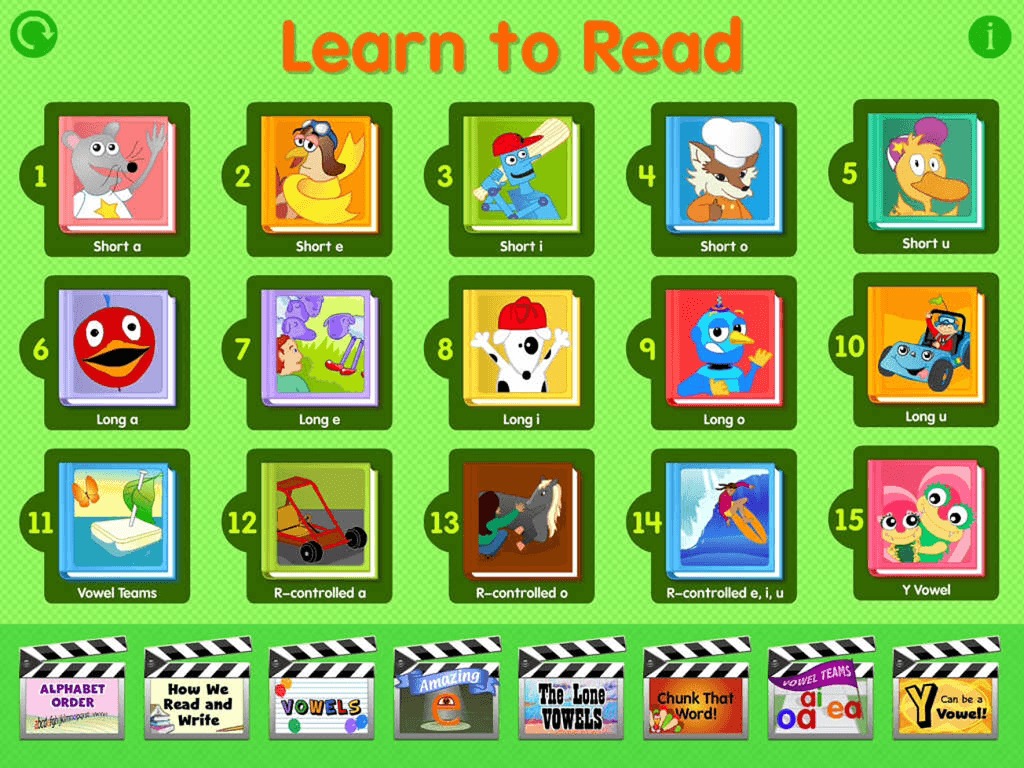
I want to share something amazing that’s making learning to read not just educational but loads of fun! Starfall Education is a fantastic resource that helps children learn to read using phonics. What makes it even better is that it’s ad-free and has a strong focus on protecting children’s privacy.

When you visit Starfall’s website, you’ll notice that they offer a variety of interactive activities, including games, books, and movies. One thing to keep in mind is that you’ll need to have JavaScript enabled in your browser to access these features. But trust me, it’s worth it! Your little ones will be entertained and learning at the same time.

2. Importance of Phonics in Early Reading

Now, let’s talk about the backbone of Starfall’s educational approach—phonics. Phonics is a method of teaching reading that emphasizes the relationship between letters and sounds. It starts with the basics, like consonant-vowel-consonant (CVC) words, and gradually moves on to more complex letter-sound relationships, including long vowels and digraphs.

The beauty of learning through phonics is that emergent readers, or those who are just starting out, can gain confidence quickly. Imagine the joy on their faces when they successfully sound out words and progress to reading entire sentences on their own!

Starfall uses characters like Zac the Rat, Peg the Hen, and Gus the Duck to guide children through this phonics journey. These friendly characters provide a familiar and enjoyable way for kids to engage with the material. It’s not just about rote learning; kids actually have fun while picking up essential reading skills.

By following a research-based method, Starfall ensures that kids are developing their reading abilities systematically and effectively. This step-by-step approach is crucial because it helps to build a strong foundation, making future reading tasks less daunting.

So, if you’re looking to give your child a head start in reading, or want to supplement what they’re learning in school, Starfall is definitely worth checking out. It’s a great way to make the learning process enjoyable and rewarding for both you and your child.

II. Systematic Phonics Approach

At Starfall, we believe in making learning fun and engaging for our young readers. Our systematic phonics approach is designed to help children build a strong foundation in reading through interactive activities, books, games, movies, and songs. By integrating research-based methods, we ensure that each child can progress confidently at their own pace. Let’s dive into the essential components of our approach!

1. Consonant-Vowel-Consonant (CVC) Words

When I first started using Starfall with my kids, I was really impressed by how it kicks off with Consonant-Vowel-Consonant (CVC) words. This is such a genius way to ease children into the world of reading! CVC words are simple, short, and incredibly intuitive for young learners. Think words like “cat,” “bed,” and “dog.” These words consist of a consonant, followed by a vowel, and ending with another consonant. By focusing on these basic patterns, children can quickly gain a sense of accomplishment, which boosts their confidence.

My kids loved the colorful characters like Zac the Rat™, Peg the Hen™, and Gus the Duck™ who made learning feel more like play. Each time they interacted with these friendly characters, they would not only learn how to read but also how to enjoy the process. The games and activities were particularly beneficial, as they provided endless opportunities for practice in a fun and relaxed environment.

2. Transition to Long Vowels and Digraphs

Once my kids got the hang of CVC words, Starfall seamlessly guided them into more complex territory. They began exploring long vowels and letter-sound relationships like digraphs. For those who might not be familiar with the term, digraphs are two letters that come together to make one sound, like “sh” in “ship” or “ch” in “chop.”

The transition was so smooth that my kids didn’t even realize that they were moving on to more challenging material. One moment they were happily reading about Zac the Rat™, and the next they were tackling new words with longer vowels and digraphs. The sense of progression was incredibly natural, thanks to the structured and systematic approach Starfall employs.

Starfall’s resources include a fantastic variety of books, songs, and interactive activities tailored to each stage of learning. I found the printables especially helpful; they allowed my kids to practice what they had learned offline. We’d hang the sheets on the fridge and review them together, making it a regular part of our daily routine.

If your child is an emergent reader, this systematic phonics approach can be a game-changer. It’s not just about learning to read, but about building a love for it that can last a lifetime. So, if you haven’t yet, definitely give Starfall a try!

III. Educational Activities

At Starfall, I’ve discovered a treasure trove of educational activities that make learning an adventure for my kids. The variety is astonishing, and everything is carefully designed to reinforce their reading skills in an engaging, enjoyable way. Let me share a bit more about what makes these activities so special.

1. Interactive Games

The interactive games on Starfall were an instant hit with my children. These games are cleverly crafted to make learning feel like a fun challenge rather than a chore. For instance, in one game, my kids had to help Zac the Rat™ gather popcorn by identifying the correct CVC words. The immediate feedback and rewards, like cheerful sounds and characters celebrating their success, kept them motivated to continue learning.

What’s great is that these games are not only educational but also adaptive. They adjust to each child’s learning pace, ensuring that the content remains neither too easy nor too difficult. This adaptability means my kids were constantly challenged just enough to keep them engaged without feeling overwhelmed. They learned new words and sounds through play, which is, in my opinion, one of the best ways to absorb new information.

2. Engaging Books and Movies

The books and movies on Starfall captivated my children’s attention from the get-go. The stories are simple, yet engaging, and filled with colorful illustrations and lovable characters. My personal favorite was when my kids started reading stories featuring Peg the Hen™ and Gus the Duck™. These characters quickly became household names, often making appearances in our daily conversations and playtime.

The movies were another delightful addition to our learning routine. Each movie is designed to teach specific reading skills, from phonics to comprehension. The animations are vibrant, and the narration is clear and expressive, which helped my kids understand the stories even better. What’s more, these movies often include songs that reinforce the learned words and sounds, making it easier for my kids to remember them.

The integration of books and movies into Starfall’s systematic phonics approach is brilliant. It offers a well-rounded experience that combines visual, auditory, and kinesthetic learning, catering to different learning styles. We also loved the printables associated with each book and movie. These worksheets offered additional practice opportunities, reinforcing what my kids had learned online.

Overall, Starfall’s educational activities transformed reading practice into an exciting daily adventure. The blend of interactive games, engaging books, and entertaining movies has made a significant difference in my children’s reading journey, sparking a genuine love for reading that continues to grow.

IV. Starfall Characters

The Starfall characters are a delightful part of the learning experience for my kids. Each character has a unique role and personality that makes reading and learning incredibly fun and engaging. Let’s get to know some of these wonderful characters!

1. Zac the Rat™

Zac the Rat™ quickly became a household favorite. He’s the first character my kids interacted with when we started using Starfall. Zac’s adventures are centered around CVC words, making it a perfect entry point for any young learner. For example, words like “rat,” “cat,” and “bat” were introduced through Zac’s playful stories and games.

What I particularly loved about Zac is how he made learning so enjoyable. My kids would eagerly gather around the computer, excited to see what Zac would do next. Whether he was running through a maze or playing musical instruments, Zac’s activities were both educational and entertaining. The interactive games featuring Zac helped reinforce the concepts they were learning, and my kids were always asking to play more.

2. Peg the Hen™ and Gus the Duck™

After mastering the basics with Zac, my kids moved on to Peg the Hen™ and Gus the Duck™. Peg the Hen™ appears when the program starts introducing more complex words and concepts. Peg’s stories and activities focus on long vowels and different letter combinations, helping to expand the children’s phonetic knowledge.

Gus the Duck™ is another beloved character who plays a significant role in this stage. Gus’s stories often involve exploring nature and discovering new things, which my kids found both fascinating and educational. Peg and Gus together provided a seamless transition from simple to more complex reading material. Their engaging adventures kept my kids’ interest piqued, and they hardly noticed that the words were getting more challenging.

The fact that these characters appear consistently throughout the learning process gives a sense of continuity that is comforting and encouraging for young learners. By integrating Peg and Gus into our daily routine, my kids were continually motivated to read more and expand their vocabulary. Whether it was reading books, singing songs, or playing games, Peg and Gus made every learning moment enjoyable and productive.

In summary, the characters of Starfall play a crucial role in making the reading journey enjoyable. Zac the Rat™, Peg the Hen™, and Gus the Duck™ each bring unique elements to the table, helping to build a comprehensive and engaging learning experience. If you haven’t yet introduced your kids to these characters, I highly recommend doing so. They truly make the process of learning to read an unforgettable adventure!

V. Privacy and Advertising Policies

Starfall Education sets itself apart with its strong commitment to user privacy and an ad-free learning environment. These elements are crucial in creating a safe and focused space for children to learn.

1. No Advertising Policy

One of the features I truly appreciate about Starfall is its no advertising policy. In today’s digital learning landscape, it’s quite challenging to find educational websites that remain free of ads. Starfall has intentionally chosen to keep their platform ad-free, which means there are no distracting pop-ups or banners interrupting my kids while they are engaged in learning activities.

This ad-free environment ensures that the focus remains solely on educational content. My kids can immerse themselves in reading games, interactive stories, and songs without being diverted by external advertisements. It also provides peace of mind knowing that my children aren’t exposed to potentially inappropriate or irrelevant advertising content while they are learning to read.

2. Protection of Privacy

Another significant benefit of Starfall is their dedication to protecting user privacy. As a parent, this is incredibly reassuring. In an age where personal data can easily be compromised, it’s comforting to know that Starfall is committed to safeguarding our information. They have clear and transparent privacy policies, ensuring that personal data, especially children’s information, is not shared or misused.

Starfall’s activities and resources can be accessed without the need to provide personal information. This keeps my kids’ learning environment safe and secure, allowing them to focus on their reading journey without any worries. The platform’s privacy measures mean that our information stays private, and I don’t have to be concerned about data security breaches or unauthorized data sharing.

In conclusion, Starfall’s no advertising policy and robust protection of privacy create the perfect conditions for effective and worry-free learning. The absence of ads keeps the focus on education, and their commitment to privacy ensures a secure learning environment. Starfall successfully delivers a blend of quality educational content and safety, which is why my family and I trust and enjoy using it. If you’re looking for an educational platform that prioritizes safe, uninterrupted learning, Starfall is a wonderful choice.

## VI. How to Teach Reading

1. Step-by-Step Guide for Educators

When I first started using Starfall, I was a bit overwhelmed by the sheer amount of resources available. But once I discovered the step-by-step guide for educators, everything fell into place. This guide is incredibly detailed and user-friendly, making it easy for me to understand how to introduce the concepts of systematic phonics to my kids.

The guide starts with the basics, focusing on consonant-vowel-consonant (CVC) words. This is where Zac the Rat™ comes in handy. The guide provides suggestions on how to use Zac’s stories and games to reinforce CVC words like “cat,” “dog,” and “mat.” I found it helpful to use physical flashcards along with the digital games to give my kids a more tactile learning experience.

As my kids progressed, the guide introduced long vowels and more complex letter combinations. This is where Peg the Hen™ and Gus the Duck™ took center stage. The guide had excellent tips on how to transition from simple CVC words to more challenging ones, and it included sample lesson plans that were easy to follow. Directions on how to incorporate songs, books, and interactive activities made the entire learning process seamless and enjoyable for my kids.

I must say, the structured approach detailed in this guide helped me immensely. It took the guesswork out of teaching and allowed me to focus on my children’s individual learning needs. If you’re an educator or a parent looking to help your child learn to read, this guide is a must-have.

2. Printable Resources for Children

Another fantastic feature of Starfall is the array of printable resources available for children. These resources were a lifesaver for me, especially on days when we needed a break from screen time. The printables are beautifully designed and cover a wide range of topics that complement the digital lessons.

There are worksheets for practicing CVC words, coloring pages featuring favorite characters like Zac the Rat™, and even activity sheets that encourage writing and spelling. One of my kids’ favorite activities was the printable word puzzles. They loved cutting out the letters and puzzling them together to form words they’d learned through Zac and Peg’s adventures.

I also appreciated the printable readers. These short, simple books were perfect for reinforcing what we had covered in our digital sessions. My kids enjoyed coloring the illustrations and reading the stories aloud, which helped build their confidence and fluency. The familiarity of the characters in these books made the experience even more engaging and less intimidating for them.

Using these printables, I was able to create a well-rounded learning environment that balanced digital and hands-on activities. It made the learning experience richer and more diverse, keeping my kids interested and motivated to learn more. If you haven’t explored Starfall’s printable resources yet, I highly recommend you do so—they’re an excellent addition to any reading curriculum.

VII. Technological Requirements

1. Importance of JavaScript for Activities

When I first started using Starfall, I quickly discovered that JavaScript is crucial for all the educational activities. Initially, I didn’t realize how important it was, but once I saw the warning that JavaScript needed to be enabled, I knew I had to make sure my browser settings were updated. Enabling JavaScript allows all the interactive games, stories, and songs to function properly, providing a seamless learning experience for the kids.

Without JavaScript, you miss out on the dynamic features that make Starfall so engaging. For instance, Zac the Rat™ stories wouldn’t be interactive, and the games designed to reinforce phonics rules wouldn’t work. My kids would lose interest pretty quickly if they couldn’t interact with their favorite characters or hear the fun songs. So, enabling JavaScript was a small step that made a big difference in how effective and enjoyable our reading sessions were.

2. Troubleshooting Common Issues

Like any other platform, I did run into a few minor issues while using Starfall. The good news is that most common problems have easy, straightforward solutions. For example, sometimes a game wouldn’t load, or an activity wouldn’t start. Nine times out of ten, the issue was that our internet connection was spotty or JavaScript had somehow been disabled in the browser settings.

The first thing I always do when we hit a snag is check to ensure our internet connection is stable. If that’s not the issue, I head straight to the browser settings to confirm that JavaScript is enabled. Occasionally, clearing the browser cache also helps speed things up and resolve any loading problems. It’s a quick process—just a few clicks, and we’re back on track.

I also found that keeping my browser updated was crucial. An outdated browser can cause compatibility issues that prevent certain features from working correctly. Now, I make it a habit to regularly update my browser to avoid these kinds of disruptions.

Starfall’s support page is a great resource too. Whenever I faced a persistent problem, a quick visit to their troubleshooting section usually pointed me in the right direction. They offer detailed guides and FAQs that are really helpful and easy to understand, even for someone who isn’t tech-savvy.

Overall, understanding the technological requirements and knowing how to troubleshoot basic issues made our reading sessions smoother and more productive. If you’re using Starfall, I’d recommend taking a few minutes to familiarize yourself with these simple fixes—it’ll save you a lot of time and frustration in the long run.

## VIII. Conclusion

1. Recap of Learning to Read with Phonics

Reflecting on our journey with Starfall, I truly appreciate the structured and engaging approach to teaching phonics. The systematic introduction of concepts, starting with CVC words and advancing to more complex letter-sound relationships, was highly effective for my kids. Zac the Rat™, Peg the Hen™, and Gus the Duck™ became familiar friends who made the learning process fun and relatable. Utilizing the detailed guide for educators helped me feel confident in presenting these concepts, while the printable resources provided much-needed variety and reinforcement. The balance between digital and physical activities ensured that my kids remained enthusiastic and eager to learn.

2. Encouragement for Parents and Educators

To any parent or educator reading this, I highly encourage you to explore the resources that Starfall offers. The platform’s focus on a research-based phonics method lays a solid foundation for reading skills. Don’t hesitate to integrate both digital and physical materials to keep things fresh and engaging. Remember, it’s not just about getting through the lessons but also fostering a love for reading in your children. So, dive in with Zac, Peg, and Gus, and watch as your kids develop confidence and excitement for reading!

Read More
  • 1
  • …
  • 8
  • 9
  • 10
  • 11
  • 12
  • …
  • 17
Kids Book Club: For Young Readers (ages 0-12) Personalized for all reading levels
GET COUPON CODE
×

Fantastic!

Please check your email for a coupon good for 50% off your first month when you subscribe for 3-months or more to the Kids Read Daily Book Club. Any question just reply to the e-mail. .

Bestsellers
  • Explore and Discover: Level 1 reading book sets for kids age 3-5 features Children's Non Fiction Books Explore and Discover: Level 1 reading book sets for kids age 3-5 features Children's Non Fiction Books $47.95 Original price was: $47.95.$34.99Current price is: $34.99.
  • 517CfOwcWiL. SY498 BO1204203200 Food Is Fun: I Can Read Level Pre K (I Can Read Kids Books) $12.95
  • Sim The Bot: robot books for kids (Pre Reader Books (Level 0)) Sim The Bot: robot books for kids (Pre Reader Books (Level 0)) $12.95
  • 71KOf4ilUL. SY425 My Day With A Wooly Mammoth $12.95
  • When I Grow Up Books For Kids: I can Read Books Level 1 (Kids Read Daily Level 1) When I Grow Up Books For Kids: I can Read Books Level 1 (Kids Read Daily Level 1)
    Rated 5.00 out of 5
    $12.95 Original price was: $12.95.$12.79Current price is: $12.79.
  • The Girl And The Woolly Mammoth (Kids Read Daily Level 2: First Grade Books) The Girl And The Woolly Mammoth (Kids Read Daily Level 2: First Grade Books) $12.95
  • Seal Pups Big Day (Pre Reader Books (Level 0)) Seal Pups Big Day (Pre Reader Books (Level 0)) $12.95
Recent Posts: KIDS READ DAILY

Kid Engineers Book helps kids learn to Solve problems like an Engineer

Effective Guided Reading Strategies First Grade Sight Words

Effective Guided Reading Strategies First Grade Sight Words

Top Autism-Friendly Vacations: Essential Tips and Ideal Destinations

Top Autism-Friendly Vacations: Essential Tips and Ideal Destinations

Unlocking Literacy: What Does ‘Fonix’ Spell if Not ‘Phonics’?

Unlocking Literacy: What Does ‘Fonix’ Spell if Not ‘Phonics’?

Debate Intensifies Over Reading Teaching Methods After Headteacher’s Death

Debate Intensifies Over Reading Teaching Methods After Headteacher’s Death
Top rated products
  • I Like Astronauts: Astronaut book for girls: Kids space book level 2 (Kids Read Daily Level 2: First Grade Books) I Like Astronauts: Astronaut book for girls: Kids space book level 2 (Kids Read Daily Level 2: First Grade Books)
    Rated 5.00 out of 5
    $12.95 Original price was: $12.95.$11.66Current price is: $11.66.
  • I Like Karate: Kids Read Daily Level 2 (Kids Read Daily Level 2: First Grade Books) I Like Karate: Kids Read Daily Level 2 (Kids Read Daily Level 2: First Grade Books)
    Rated 5.00 out of 5
    $12.95
  • President Barack Obama: The Boy Who Grew Up To Be President President Barack Obama: The Boy Who Grew Up To Be President
    Rated 5.00 out of 5
    $12.95 Original price was: $12.95.$12.50Current price is: $12.50.
  • Human Body Homeschool: Bones: I Can Read Books Level 1 (Kids Read Daily Level 1) Human Body Homeschool: Bones: I Can Read Books Level 1 (Kids Read Daily Level 1)
    Rated 5.00 out of 5
    $12.95
  • When I Grow Up Books For Kids: I can Read Books Level 1 (Kids Read Daily Level 1) When I Grow Up Books For Kids: I can Read Books Level 1 (Kids Read Daily Level 1)
    Rated 5.00 out of 5
    $12.95 Original price was: $12.95.$12.79Current price is: $12.79.
Privacy & Cookies: This site uses cookies. By continuing to use this website, you agree to their use.

To find out more, including how to control cookies, see here: Cookie Policy

Copyright © 2019 LittleDino by WebGeniusLab. All Rights Reserved


Loading Comments...