KIDS READ DAILY

  • Kids Book Club
  • Reading Level Test
  • Reading System
  • Shop
  • About Us
  • Home Learning Tips

KIDS READ DAILY

  • Kids Book Club
  • Reading Level Test
  • Reading System
  • Shop
  • About Us
  • Home Learning Tips
  • Kids Book Club
  • Reading Level Test
  • Reading System
  • Shop
  • About Us
  • Home Learning Tips

KIDS READ DAILY

KIDS READ DAILY

  • Kids Book Club
  • Reading Level Test
  • Reading System
  • Shop
  • About Us
  • Home Learning Tips
Reading Strategies
Home Reading Strategies Page 11

Category: Reading Strategies

starfall1-1502040496.jpg
Learning to read
July 18, 2024 by KRD Team 0 Comments

Phonics Reading Program for Kids | Starfall Education
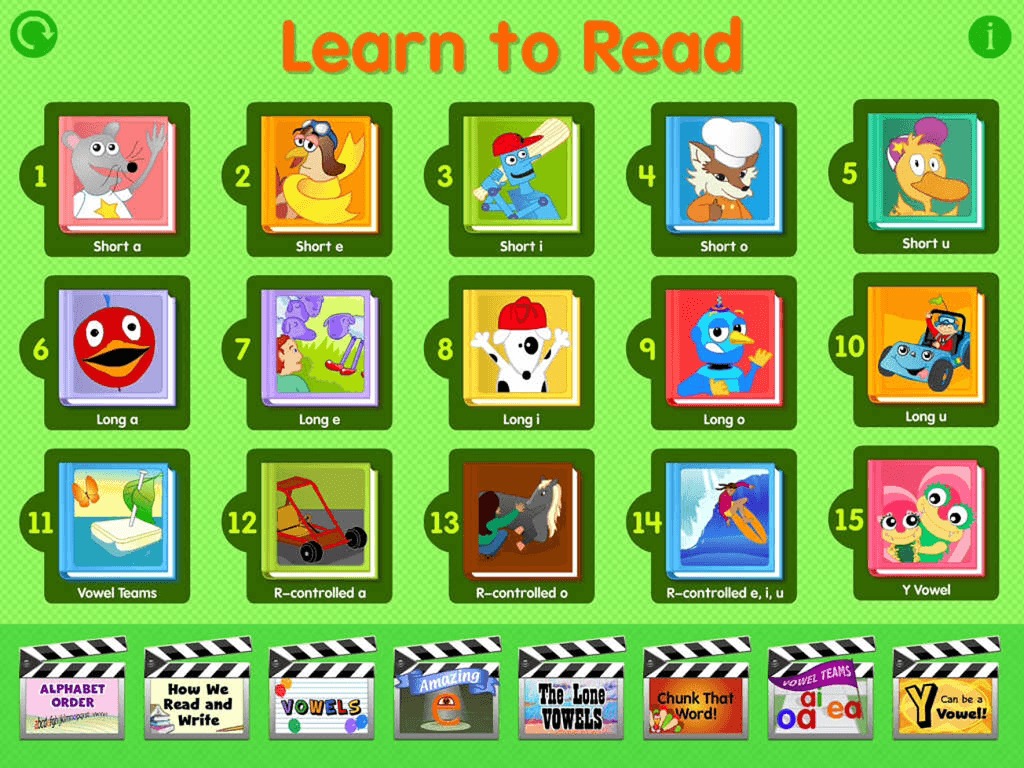
Learn to Read with Phonics | Starfall Education
Source: www.teleread.com

## I. Introduction

1. Overview of Starfall Education

I want to share something amazing that’s making learning to read not just educational but loads of fun! Starfall Education is a fantastic resource that helps children learn to read using phonics. What makes it even better is that it’s ad-free and has a strong focus on protecting children’s privacy.

When you visit Starfall’s website, you’ll notice that they offer a variety of interactive activities, including games, books, and movies. One thing to keep in mind is that you’ll need to have JavaScript enabled in your browser to access these features. But trust me, it’s worth it! Your little ones will be entertained and learning at the same time.

2. Importance of Phonics in Early Reading

Now, let’s talk about the backbone of Starfall’s educational approach—phonics. Phonics is a method of teaching reading that emphasizes the relationship between letters and sounds. It starts with the basics, like consonant-vowel-consonant (CVC) words, and gradually moves on to more complex letter-sound relationships, including long vowels and digraphs.

The beauty of learning through phonics is that emergent readers, or those who are just starting out, can gain confidence quickly. Imagine the joy on their faces when they successfully sound out words and progress to reading entire sentences on their own!

Starfall uses characters like Zac the Rat, Peg the Hen, and Gus the Duck to guide children through this phonics journey. These friendly characters provide a familiar and enjoyable way for kids to engage with the material. It’s not just about rote learning; kids actually have fun while picking up essential reading skills.

By following a research-based method, Starfall ensures that kids are developing their reading abilities systematically and effectively. This step-by-step approach is crucial because it helps to build a strong foundation, making future reading tasks less daunting.

So, if you’re looking to give your child a head start in reading, or want to supplement what they’re learning in school, Starfall is definitely worth checking out. It’s a great way to make the learning process enjoyable and rewarding for both you and your child.

II. Systematic Phonics Approach

At Starfall, we believe in making learning fun and engaging for our young readers. Our systematic phonics approach is designed to help children build a strong foundation in reading through interactive activities, books, games, movies, and songs. By integrating research-based methods, we ensure that each child can progress confidently at their own pace. Let’s dive into the essential components of our approach!

1. Consonant-Vowel-Consonant (CVC) Words

When I first started using Starfall with my kids, I was really impressed by how it kicks off with Consonant-Vowel-Consonant (CVC) words. This is such a genius way to ease children into the world of reading! CVC words are simple, short, and incredibly intuitive for young learners. Think words like “cat,” “bed,” and “dog.” These words consist of a consonant, followed by a vowel, and ending with another consonant. By focusing on these basic patterns, children can quickly gain a sense of accomplishment, which boosts their confidence.

My kids loved the colorful characters like Zac the Rat™, Peg the Hen™, and Gus the Duck™ who made learning feel more like play. Each time they interacted with these friendly characters, they would not only learn how to read but also how to enjoy the process. The games and activities were particularly beneficial, as they provided endless opportunities for practice in a fun and relaxed environment.

2. Transition to Long Vowels and Digraphs

Once my kids got the hang of CVC words, Starfall seamlessly guided them into more complex territory. They began exploring long vowels and letter-sound relationships like digraphs. For those who might not be familiar with the term, digraphs are two letters that come together to make one sound, like “sh” in “ship” or “ch” in “chop.”

The transition was so smooth that my kids didn’t even realize that they were moving on to more challenging material. One moment they were happily reading about Zac the Rat™, and the next they were tackling new words with longer vowels and digraphs. The sense of progression was incredibly natural, thanks to the structured and systematic approach Starfall employs.

Starfall’s resources include a fantastic variety of books, songs, and interactive activities tailored to each stage of learning. I found the printables especially helpful; they allowed my kids to practice what they had learned offline. We’d hang the sheets on the fridge and review them together, making it a regular part of our daily routine.

If your child is an emergent reader, this systematic phonics approach can be a game-changer. It’s not just about learning to read, but about building a love for it that can last a lifetime. So, if you haven’t yet, definitely give Starfall a try!

III. Educational Activities

At Starfall, I’ve discovered a treasure trove of educational activities that make learning an adventure for my kids. The variety is astonishing, and everything is carefully designed to reinforce their reading skills in an engaging, enjoyable way. Let me share a bit more about what makes these activities so special.

1. Interactive Games

The interactive games on Starfall were an instant hit with my children. These games are cleverly crafted to make learning feel like a fun challenge rather than a chore. For instance, in one game, my kids had to help Zac the Rat™ gather popcorn by identifying the correct CVC words. The immediate feedback and rewards, like cheerful sounds and characters celebrating their success, kept them motivated to continue learning.

What’s great is that these games are not only educational but also adaptive. They adjust to each child’s learning pace, ensuring that the content remains neither too easy nor too difficult. This adaptability means my kids were constantly challenged just enough to keep them engaged without feeling overwhelmed. They learned new words and sounds through play, which is, in my opinion, one of the best ways to absorb new information.

2. Engaging Books and Movies

The books and movies on Starfall captivated my children’s attention from the get-go. The stories are simple, yet engaging, and filled with colorful illustrations and lovable characters. My personal favorite was when my kids started reading stories featuring Peg the Hen™ and Gus the Duck™. These characters quickly became household names, often making appearances in our daily conversations and playtime.

The movies were another delightful addition to our learning routine. Each movie is designed to teach specific reading skills, from phonics to comprehension. The animations are vibrant, and the narration is clear and expressive, which helped my kids understand the stories even better. What’s more, these movies often include songs that reinforce the learned words and sounds, making it easier for my kids to remember them.

The integration of books and movies into Starfall’s systematic phonics approach is brilliant. It offers a well-rounded experience that combines visual, auditory, and kinesthetic learning, catering to different learning styles. We also loved the printables associated with each book and movie. These worksheets offered additional practice opportunities, reinforcing what my kids had learned online.

Overall, Starfall’s educational activities transformed reading practice into an exciting daily adventure. The blend of interactive games, engaging books, and entertaining movies has made a significant difference in my children’s reading journey, sparking a genuine love for reading that continues to grow.

IV. Starfall Characters

The Starfall characters are a delightful part of the learning experience for my kids. Each character has a unique role and personality that makes reading and learning incredibly fun and engaging. Let’s get to know some of these wonderful characters!

1. Zac the Rat™

Zac the Rat™ quickly became a household favorite. He’s the first character my kids interacted with when we started using Starfall. Zac’s adventures are centered around CVC words, making it a perfect entry point for any young learner. For example, words like “rat,” “cat,” and “bat” were introduced through Zac’s playful stories and games.

What I particularly loved about Zac is how he made learning so enjoyable. My kids would eagerly gather around the computer, excited to see what Zac would do next. Whether he was running through a maze or playing musical instruments, Zac’s activities were both educational and entertaining. The interactive games featuring Zac helped reinforce the concepts they were learning, and my kids were always asking to play more.

2. Peg the Hen™ and Gus the Duck™

After mastering the basics with Zac, my kids moved on to Peg the Hen™ and Gus the Duck™. Peg the Hen™ appears when the program starts introducing more complex words and concepts. Peg’s stories and activities focus on long vowels and different letter combinations, helping to expand the children’s phonetic knowledge.

Gus the Duck™ is another beloved character who plays a significant role in this stage. Gus’s stories often involve exploring nature and discovering new things, which my kids found both fascinating and educational. Peg and Gus together provided a seamless transition from simple to more complex reading material. Their engaging adventures kept my kids’ interest piqued, and they hardly noticed that the words were getting more challenging.

The fact that these characters appear consistently throughout the learning process gives a sense of continuity that is comforting and encouraging for young learners. By integrating Peg and Gus into our daily routine, my kids were continually motivated to read more and expand their vocabulary. Whether it was reading books, singing songs, or playing games, Peg and Gus made every learning moment enjoyable and productive.

In summary, the characters of Starfall play a crucial role in making the reading journey enjoyable. Zac the Rat™, Peg the Hen™, and Gus the Duck™ each bring unique elements to the table, helping to build a comprehensive and engaging learning experience. If you haven’t yet introduced your kids to these characters, I highly recommend doing so. They truly make the process of learning to read an unforgettable adventure!

V. Privacy and Advertising Policies

Starfall Education sets itself apart with its strong commitment to user privacy and an ad-free learning environment. These elements are crucial in creating a safe and focused space for children to learn.

1. No Advertising Policy

One of the features I truly appreciate about Starfall is its no advertising policy. In today’s digital learning landscape, it’s quite challenging to find educational websites that remain free of ads. Starfall has intentionally chosen to keep their platform ad-free, which means there are no distracting pop-ups or banners interrupting my kids while they are engaged in learning activities.

This ad-free environment ensures that the focus remains solely on educational content. My kids can immerse themselves in reading games, interactive stories, and songs without being diverted by external advertisements. It also provides peace of mind knowing that my children aren’t exposed to potentially inappropriate or irrelevant advertising content while they are learning to read.

2. Protection of Privacy

Another significant benefit of Starfall is their dedication to protecting user privacy. As a parent, this is incredibly reassuring. In an age where personal data can easily be compromised, it’s comforting to know that Starfall is committed to safeguarding our information. They have clear and transparent privacy policies, ensuring that personal data, especially children’s information, is not shared or misused.

Starfall’s activities and resources can be accessed without the need to provide personal information. This keeps my kids’ learning environment safe and secure, allowing them to focus on their reading journey without any worries. The platform’s privacy measures mean that our information stays private, and I don’t have to be concerned about data security breaches or unauthorized data sharing.

In conclusion, Starfall’s no advertising policy and robust protection of privacy create the perfect conditions for effective and worry-free learning. The absence of ads keeps the focus on education, and their commitment to privacy ensures a secure learning environment. Starfall successfully delivers a blend of quality educational content and safety, which is why my family and I trust and enjoy using it. If you’re looking for an educational platform that prioritizes safe, uninterrupted learning, Starfall is a wonderful choice.

## VI. How to Teach Reading

1. Step-by-Step Guide for Educators

When I first started using Starfall, I was a bit overwhelmed by the sheer amount of resources available. But once I discovered the step-by-step guide for educators, everything fell into place. This guide is incredibly detailed and user-friendly, making it easy for me to understand how to introduce the concepts of systematic phonics to my kids.

The guide starts with the basics, focusing on consonant-vowel-consonant (CVC) words. This is where Zac the Rat™ comes in handy. The guide provides suggestions on how to use Zac’s stories and games to reinforce CVC words like “cat,” “dog,” and “mat.” I found it helpful to use physical flashcards along with the digital games to give my kids a more tactile learning experience.

As my kids progressed, the guide introduced long vowels and more complex letter combinations. This is where Peg the Hen™ and Gus the Duck™ took center stage. The guide had excellent tips on how to transition from simple CVC words to more challenging ones, and it included sample lesson plans that were easy to follow. Directions on how to incorporate songs, books, and interactive activities made the entire learning process seamless and enjoyable for my kids.

I must say, the structured approach detailed in this guide helped me immensely. It took the guesswork out of teaching and allowed me to focus on my children’s individual learning needs. If you’re an educator or a parent looking to help your child learn to read, this guide is a must-have.

2. Printable Resources for Children

Another fantastic feature of Starfall is the array of printable resources available for children. These resources were a lifesaver for me, especially on days when we needed a break from screen time. The printables are beautifully designed and cover a wide range of topics that complement the digital lessons.

There are worksheets for practicing CVC words, coloring pages featuring favorite characters like Zac the Rat™, and even activity sheets that encourage writing and spelling. One of my kids’ favorite activities was the printable word puzzles. They loved cutting out the letters and puzzling them together to form words they’d learned through Zac and Peg’s adventures.

I also appreciated the printable readers. These short, simple books were perfect for reinforcing what we had covered in our digital sessions. My kids enjoyed coloring the illustrations and reading the stories aloud, which helped build their confidence and fluency. The familiarity of the characters in these books made the experience even more engaging and less intimidating for them.

Using these printables, I was able to create a well-rounded learning environment that balanced digital and hands-on activities. It made the learning experience richer and more diverse, keeping my kids interested and motivated to learn more. If you haven’t explored Starfall’s printable resources yet, I highly recommend you do so—they’re an excellent addition to any reading curriculum.

VII. Technological Requirements

1. Importance of JavaScript for Activities

When I first started using Starfall, I quickly discovered that JavaScript is crucial for all the educational activities. Initially, I didn’t realize how important it was, but once I saw the warning that JavaScript needed to be enabled, I knew I had to make sure my browser settings were updated. Enabling JavaScript allows all the interactive games, stories, and songs to function properly, providing a seamless learning experience for the kids.

Without JavaScript, you miss out on the dynamic features that make Starfall so engaging. For instance, Zac the Rat™ stories wouldn’t be interactive, and the games designed to reinforce phonics rules wouldn’t work. My kids would lose interest pretty quickly if they couldn’t interact with their favorite characters or hear the fun songs. So, enabling JavaScript was a small step that made a big difference in how effective and enjoyable our reading sessions were.

2. Troubleshooting Common Issues

Like any other platform, I did run into a few minor issues while using Starfall. The good news is that most common problems have easy, straightforward solutions. For example, sometimes a game wouldn’t load, or an activity wouldn’t start. Nine times out of ten, the issue was that our internet connection was spotty or JavaScript had somehow been disabled in the browser settings.

The first thing I always do when we hit a snag is check to ensure our internet connection is stable. If that’s not the issue, I head straight to the browser settings to confirm that JavaScript is enabled. Occasionally, clearing the browser cache also helps speed things up and resolve any loading problems. It’s a quick process—just a few clicks, and we’re back on track.

I also found that keeping my browser updated was crucial. An outdated browser can cause compatibility issues that prevent certain features from working correctly. Now, I make it a habit to regularly update my browser to avoid these kinds of disruptions.

Starfall’s support page is a great resource too. Whenever I faced a persistent problem, a quick visit to their troubleshooting section usually pointed me in the right direction. They offer detailed guides and FAQs that are really helpful and easy to understand, even for someone who isn’t tech-savvy.

Overall, understanding the technological requirements and knowing how to troubleshoot basic issues made our reading sessions smoother and more productive. If you’re using Starfall, I’d recommend taking a few minutes to familiarize yourself with these simple fixes—it’ll save you a lot of time and frustration in the long run.

## VIII. Conclusion

1. Recap of Learning to Read with Phonics

Reflecting on our journey with Starfall, I truly appreciate the structured and engaging approach to teaching phonics. The systematic introduction of concepts, starting with CVC words and advancing to more complex letter-sound relationships, was highly effective for my kids. Zac the Rat™, Peg the Hen™, and Gus the Duck™ became familiar friends who made the learning process fun and relatable. Utilizing the detailed guide for educators helped me feel confident in presenting these concepts, while the printable resources provided much-needed variety and reinforcement. The balance between digital and physical activities ensured that my kids remained enthusiastic and eager to learn.

2. Encouragement for Parents and Educators

To any parent or educator reading this, I highly encourage you to explore the resources that Starfall offers. The platform’s focus on a research-based phonics method lays a solid foundation for reading skills. Don’t hesitate to integrate both digital and physical materials to keep things fresh and engaging. Remember, it’s not just about getting through the lessons but also fostering a love for reading in your children. So, dive in with Zac, Peg, and Gus, and watch as your kids develop confidence and excitement for reading!

Read More
Revolutionary-Plan-Aims-to-Resolve-Long-Standing-Reading-Wars-in-Educationfp_c4e5b6fa31-1512output1.png
HomeschoolLearning to readSight Words
July 17, 2024 by KRD Team 0 Comments

Revolutionary Plan Aims to Resolve Long-Standing Reading Wars in Education

Revolutionary Plan Aims to Resolve Long-Standing Reading Wars in Education

For decades, educators, policymakers, and parents have been embroiled in what’s known as the “Reading Wars”. This intense debate revolves around the best approach to teaching reading in primary education. Amid ongoing disagreements between proponents of phonics-based instruction and advocates of whole language learning, a new revolutionary plan is set to bring an end to this era of contention. This article delves into this transformative strategy and its potential to reshape literacy education for the better.

Understanding the Reading Wars

The Reading Wars have their roots in contrasting educational philosophies:

  • Phonics-Based Instruction: This approach emphasizes teaching children to read by correlating sounds with letters or groups of letters.
  • Whole Language Learning: This method focuses on meaning and strategy instruction, encouraging children to understand the text and infer words based on context.

Both methods present compelling arguments and have shown varying levels of success, making the debate quite polarizing. Educators have long been divided over which technique is superior, often resulting in mixed methodologies that leave students without clear, cohesive learning strategies.

The Revolutionary New Plan

Enter the new revolutionary plan, designed to integrate the best aspects of both approaches while alleviating the pitfalls of each. Spearheaded by educational experts and stakeholders, this plan is structured around three core objectives:

1. Balanced Literacy Approach

The balanced literacy approach aims to harmonize the phonics and whole language methods, providing a comprehensive framework that caters to the diverse needs of students. The plan incorporates:

  • Explicit Phonics Instruction: Ensuring that children understand the link between sounds and how they are written.
  • Rich Literary Experiences: Engaging students with meaningful and contextualized reading material to promote comprehension and enjoyment.
  • Integrated Reading and Writing Activities: Allowing students to practice and apply their skills in various contexts.

2. Teacher Training and Professional Development

Successful implementation of the plan hinges on the effectiveness of educators. By providing robust training and ongoing professional development, teachers can be equipped with:

  • Up-to-Date Educational Research: Using the latest findings to inform and improve teaching practices.
  • Practical Training Sessions: Interactive workshops that focus on blending phonics with whole language techniques.
  • Collaborative Learning Communities: Creating support networks where educators can share insights, challenges, and strategies.

3. Assessment and Continuous Feedback

Regular assessment and feedback are crucial for the successful adaptation of any educational approach. This plan emphasizes:

  • Formative Assessments: Regular check-ins to gauge student progress and adjust teaching strategies as needed.
  • Summative Assessments: Evaluating cumulative knowledge and skills at the end of instructional units to measure effectiveness.
  • Personalized Learning Plans: Using assessment data to tailor learning experiences to individual student needs.

Impact on Students and Educators

If successfully implemented, this revolutionary plan could offer several significant benefits:

  • Improved Literacy Rates: By combining phonics with whole language strategies, students are likely to develop a more robust set of reading skills.
  • Increased Student Engagement: A balanced approach that incorporates engaging reading material can make learning more enjoyable and interactive.
  • Enhanced Teacher Effectiveness: Continuous training and support systems empower educators to deliver high-quality instruction.
  • Equitable Learning Opportunities: Tailoring instruction to meet diverse needs helps ensure that all students have the chance to succeed.

Challenges and Considerations

While the plan looks promising, several challenges need to be addressed for its successful implementation:

  • Resource Allocation: Ensuring that schools have the necessary resources to support comprehensive training and new instructional materials.
  • Community Buy-In: Gaining support from all stakeholders including parents, administrators, and policymakers is crucial.
  • Continual Evaluation: Regularly assessing the plan’s effectiveness and making data-driven adjustments as needed.

Conclusion

The new revolutionary plan presents a powerful opportunity to end the long-standing Reading Wars by integrating the strengths of both phonics-based instruction and whole language learning. By focusing on a balanced approach, enhancing teacher training, and utilizing regular assessments, this strategy aims to foster a more effective and inclusive literacy education system.

Ultimately, the goal is to equip students with the necessary skills to become proficient readers and lifelong learners, and to provide educators with the tools and support they need to succeed. As the educational community moves forward with this initiative, there is a growing sense of optimism that the Reading Wars may finally come to a meaningful end, paving the way for a new era of literacy education.

Read More
Creative-Teaching-Ideas-Lists-and-Printables-for-Short-E-Wordsfp_c4e5b6fa31-1494output1.png
HomeschoolPhonics
July 17, 2024 by KRD Team 0 Comments

Creative Teaching Ideas, Lists, and Printables for Short E Words

Creative Teaching Ideas, Lists, and Printables for Short E Words

Mastering vowel sounds is a critical step in early literacy education. Short E words often present a unique challenge to young learners, but with the right tools and creative methodologies, teachers can make the learning process engaging and effective. In this resourceful blog post, we’ll share innovative teaching ideas, organized word lists, and printables designed to help teach short E words.

Fun Teaching Ideas for Short E Words

Integrating fun activities can significantly enhance the learning experience. Here are some creative teaching ideas:

1. Short E Word Games

  • Memory Match: Create cards with short E words on one set and pictures representing those words on another set. Students will take turns flipping two cards at a time to find matching pairs.
  • Word Bingo: Design bingo cards with a mixture of different short E words. Call out the words, and students will mark their cards. The first to complete a row wins.
  • Flashcard Relay: Divide the class into teams. Each team member must identify a short E word on a flashcard and then run to the board to write it. This promotes both physical and mental engagement.

2. Interactive Storytelling

Using short E words within a story provides context and helps students understand usage. Write a simple story incorporating a list of short E words and read it aloud. You can even invite students to fill in the blanks with appropriate short E words, turning it into a collaborative exercise.

3. Art and Craft Activities

  • Word Puzzles: Create puzzles where students need to arrange pieces correctly to form short E words. This not only aids in spelling but also improves fine motor skills.
  • Word Collages: Provide magazines and newspapers so students can find and cut out short E words, then paste them on a collage sheet. This activity enhances word recognition through visual learning.

Comprehensive Lists of Short E Words

Having a well-organized list of short E words can be a helpful reference for both teachers and students. Here are some categorized lists to aid in your lesson planning:

Common Short E Words

  • Bed
  • Net
  • Red
  • Jet
  • Pen
  • Hen
  • Leg
  • Set

Short E Words by Word Family

Grouping words into families can make them easier to memorize and understand:

  • -ed: bed, red, wed
  • -en: den, pen, ten
  • -et: bet, pet, wet
  • -eg: beg, leg, peg

Advanced Short E Words

For more advanced students, consider introducing less common short E words to expand vocabulary:

  • Deck
  • Fetch
  • Mesh
  • Retch
  • Sweat
  • Wreck

Engaging Printables for Short E Words

Printables can be a lifesaver when it comes to reinforcing vocabulary. They are versatile, easy to use, and can be integrated into various teaching activities. Here are some printable ideas to get you started:

1. Short E Word Worksheets

Printable worksheets can include a variety of activities such as word searches, crossword puzzles, and fill-in-the-blanks. Consider creating customizable worksheets that allow you to focus on specific word families or difficulty levels.

2. Coloring Pages

Combine artistic skills with word learning through coloring pages. Provide pages with images of short E word items and their corresponding words for students to color. For example, a picture of a “bed” with the word “bed” written underneath.

3. Flashcards

Printable flashcards are perfect for both individual and group activities. Create a set of flashcards with short E words on one side and images or definitions on the other. This helps students visually connect the word with its meaning.

4. Matching Activities

Design sheets where students have to draw lines to match short E words with corresponding pictures or sentences. This can be an engaging way to test their understanding.

Conclusion

The journey to mastering short E words doesn’t have to be monotonous. By incorporating creative teaching ideas, organized word lists, and engaging printables, you can turn this critical learning phase into an enjoyable and fruitful experience for your students. Dive into these resources and watch as your students’ confidence and proficiency in using short E words flourish.

If you have any additional ideas or resources for teaching short E words, feel free to share them in the comments below. Happy teaching!

“`

Read More
Empowering-Parents-Indy-Group-Explains-Childrens-Reading-Developmentfp_400f27fa1f-1487output1.png
Learning to read
July 17, 2024 by KRD Team 0 Comments

Empowering Parents: Indy Group Explains Children’s Reading Development


Empowering Parents: Indy Group Explains Children’s Reading Development

Empowering Parents: Indy Group Explains Children’s Reading Development

Reading is one of the most crucial skills children need to master as they grow. However, many parents often find themselves in the dark, wondering how they can support their children’s literacy journey effectively. An Indianapolis-based group, dedicated to bridging this gap, empowers parents by helping them understand the intricacies of how kids learn to read. This blog delves into their laudable efforts, providing insights on reading development strategies and tips for parental involvement.

Why Understanding Reading Development Is Crucial

Reading development is a complex process that involves various cognitive, social, and emotional factors. Early literacy skills set the foundation for academic success and lifelong learning. However, without proper guidance, parents might struggle to support their children effectively. The Indy group’s initiatives aim to:

  • Enhance parental involvement in the literacy journey.
  • Provide resources that ease the understanding of reading development stages.
  • Bridge communication gaps between educators and parents.

Challenges Parents Face

Many parents grapple with understanding the stages of reading development, the appropriate strategies to foster a love for reading, and identifying early signs of reading difficulties. These challenges often leave them feeling isolated and uncertain about how to contribute positively. With the right knowledge and tools, parents can become active participants in their child’s literacy development.

Indy Group’s Approach to Empowering Parents

The Indy group has adopted a multifaceted approach to empower parents and create a supportive reading environment at home. Here are some significant strategies they utilize:

Workshops and Training Sessions

The group conducts regular workshops and training sessions focusing on various aspects of reading development. These sessions provide parents with:

  • Comprehensive insights into the stages of reading development.
  • Hands-on strategies to support early literacy at home.
  • Guidance on using age-appropriate reading materials.

Additionally, trained professionals offer one-on-one consultations, ensuring personalized support for parents with unique challenges.

Resource Distribution

Another key initiative involves the distribution of educational resources. These resources include:

  • Guides on phonics, vocabulary building, and comprehension strategies.
  • Recommended reading lists aligned with different developmental stages.
  • Interactive tools and apps that make learning to read fun and engaging.

By equipping parents with these resources, the group ensures they have the necessary tools to foster a reading culture at home.

Community Support Networks

The Indy group emphasizes the importance of community in the journey of reading development. They facilitate the formation of parent support networks where experiences, tips, and challenges can be shared. These networks:

  • Create a platform for peer learning and emotional support.
  • Encourage collaborative efforts in addressing common literacy challenges.
  • Foster a sense of collective responsibility towards children’s literacy.

Practical Tips for Parents to Support Reading Development

While the Indy group provides significant support, it’s also essential for parents to adopt practical strategies at home. Here are some tips to consider:

Read Aloud Daily

Reading aloud to children daily is one of the most effective ways to instill a love for reading. Choose books that align with their interests and reading level. Discuss the story, characters, and events to enhance comprehension skills.

Create a Reading-Friendly Environment

Ensure your home has a dedicated reading space filled with a variety of books. This space should be comfortable, well-lit, and free from distractions. By creating a reading-friendly environment, children are more likely to develop a positive association with reading.

Incorporate Reading into Daily Routines

Make reading a part of your daily routine. Whether it’s bedtime stories or reading during meal times, consistency is key. Regular reading routines help children view reading as an integral part of their daily life.

Encourage Storytelling

Encourage your child to tell their own stories. This nurtures creativity and helps them understand narrative structures. It also builds confidence in using language expressively.

Recognizing the Role of Schools and Educators

While parental involvement is critical, schools and educators play an equally important role. The Indy group works closely with schools to ensure that:

  • Teachers are equipped with the latest literacy development strategies.
  • Classrooms are conducive to reading development.
  • There is open and continuous communication between parents and educators.

Joint Efforts for Better Outcomes

The collaboration between parents, schools, and the Indy group fosters a holistic approach to reading development. When these entities work together, they create a robust support system for children, significantly enhancing their reading skills and fostering a lifelong love for reading.

Conclusion

Understanding how children learn to read is pivotal for parents who wish to actively support their child’s literacy journey. The Indy group’s efforts in demystifying reading development and providing comprehensive support to parents are laudable. Through workshops, resources, and community networks, they empower parents to become confident and effective partners in their child’s education.

By adopting the strategies discussed and leveraging the support provided by groups like the Indy organization, parents can significantly impact their child’s reading development. Remember, a collaborative effort between parents, educators, and support groups leads to the best outcomes, ensuring every child develops the skills necessary to succeed academically and beyond.


Read More
Why-School-Drop-Off-Routines-Are-Crucial-for-Parentingfp_c4e5b6fa31-1558output1.png
Learning to readParenting Styles
July 17, 2024 by KRD Team 0 Comments

Why School Drop-Off Routines Are Crucial for Parenting

Why School Drop-Off Routines Are Crucial for Parenting

The school drop-off routine, often considered a mundane chore, is in fact a cornerstone of effective parenting. A trend of downplaying its importance has emerged, but seasoned parents and experts alike emphasize the myriad benefits it entails. In this blog post, we delve into why the school drop-off is more than just a morning routine—it’s a vital part of nurturing your child’s growth and your relationship with them.

The Emotional Bond

One of the most significant benefits of a consistent school drop-off routine is the emotional bond it fosters between parent and child. Here’s why:

  • Quality Time: Amidst busy schedules, these few minutes can be precious moments of undivided attention that help strengthen your bond.
  • Emotional Security: Physically being there for your children as they start their day offers a sense of security that words often cannot.
  • Daily Check-Ins: This is a prime opportunity to gauge how your child is feeling, their excitement, or their anxieties about the day ahead.

Setting the Tone for the Day

The morning drop-off plays a crucial role in setting the tone not just for your child’s day, but for your own as well.

  • Positive Start: A cheerful goodbye or words of encouragement can give children a boost in mood and confidence.
  • Routine Stability: Keeping a consistent drop-off routine provides a sense of stability and normalcy, which is vital for children’s emotional health.
  • Role Modeling: Demonstrating punctuality and the importance of school indirectly teaches children valuable life skills.

Instilling Independence

Dropping children off at school can also be instrumental in teaching them independence. While some parents may find it hard to let go, the act itself is an essential stepping stone in a child’s development.

  • Personal Responsibility: Knowing they have to be ready and on time teaches children the importance of preparation and punctuality.
  • Social Skills: Walking into school on their own encourages children to develop their social skills, making new friends, and interacting with teachers.
  • Problem-Solving: Encountering small challenges, like forgetting lunch money or homework, teaches children how to problem-solve independently.

Boosting Self-Confidence

This seemingly simple routine can significantly boost your child’s self-confidence. Here’s how:

  • Trust: Knowing that their parents trust them to walk into school themselves instills a sense of self-worth and competence.
  • Achievements: Successfully managing daily routines builds a child’s confidence in their abilities, making them more resilient.

Community Building

School drop-offs are not just about you and your child; they also play a role in building a sense of community among parents and children.

  • Parent Networking: Regular drop-offs can facilitate conversations with other parents, creating a support system and community around your child’s education.
  • Teacher Interaction: Dropping off your child offers you the chance to interact with teachers, ensuring you are up-to-date with your child’s progress and school events.

Transition Time

The time spent dropping off your child can also serve as a transition period for both parent and child, helping to switch gears from home to school/work mode.

  • Preparation: This period can be used to prep your child mentally for the day ahead, discussing what they aim to achieve and any upcoming events.
  • Mindfulness: For parents, this can be a time to mentally prepare for the day, setting personal goals and priorities.

Coping with Letting Go

For many parents, dropping their child off at school is not merely a routine but a poignant reminder that their little one is growing up. Here are some ways to cope:

  • Embrace the Milestone: Recognize that this is a natural and essential part of your child’s journey towards independence.
  • Find New Routines: As your child becomes more independent, find new ways to connect, like shared hobbies or weekend activities.
  • Stay Involved: While it’s important to let your child grow, staying involved in their education through volunteering and attending school events reinforces your support.

The Long-Term Perspective

While the daily routine of dropping off your child may seem small, consider the long-term benefits:

  • Stronger Relationship: The bonds built and the trust established in these moments will last a lifetime.
  • Life Skills: The lessons learned from these daily routines contribute to a well-rounded, capable, and confident individual.

Conclusion

The school drop-off routine is far more than a logistical necessity. It is a vital element of parenting that contributes to your child’s emotional well-being, independence, and sense of community. More importantly, it offers invaluable moments to bond, guide, and support your child as they navigate their formative years. So next time you’re dropping your child off at school, remember—these small moments are shaping big futures.

“`

Read More
541619643.jpg
Learning to read
July 17, 2024 by KRD Team 0 Comments

Mastering Reading: From Learning to Understanding

Learning to Read, Reading to Learn
Source: theemergencesite.com

Learning to Read, Reading to Learn

# Table of Contents: Learning to Read, Reading to Learn

As someone who has spent a fair amount of time exploring the fascinating world of literacy, I have come across numerous studies and recommendations about how children can most effectively learn to read. Reading is such a crucial skill that influences every other aspect of education, and it’s never too early to start fostering a love for the written word. In this blog post, I want to share some of these insights and strategies, based on decades of research, that lay a solid foundation for reading.

Creating an Appreciation of the Written Word

Growing up, I was always mesmerized by the magic hidden in books. Turning pages transported me to distant lands, introduced me to unique characters, and spurred my imagination to new heights. I believe that one of the first steps to learning to read is developing an appreciation for the written word. Sharing stories with children, reading aloud, and inviting them to explore narratives can spark that initial interest. When a child is fascinated by the magic of a story, they’re naturally inclined to want to understand the words that weave it together.

Core Skills and Cognitive Processes

From my understanding, there are certain core skills and cognitive processes essential to becoming proficient in reading. Phonemic awareness, phonics, vocabulary, reading comprehension, and fluency are all critical elements. Teaching phonemic awareness, for instance, helps children recognize and manipulate the sounds in words. When I first started to learn these skills, I found that breaking down words into individual sounds made them easier to decode. Simple games and activities that focus on rhyming words or segmenting sounds can make learning fun.

Background Knowledge and Motivation

I found that background knowledge and motivation play crucial roles in becoming a lifelong reader. When children are curious about a particular topic, they are more motivated to read about it. This natural curiosity can be nurtured by providing a rich variety of reading materials on different subjects. For instance, if a child is interested in dinosaurs, offering them books, articles, or even multimedia resources on that topic can encourage them to read more. Building background knowledge in this way not only fuels their curiosity but also makes reading an enjoyable and informative activity.

Utilizing Resources

One of the great things about our times is the wealth of resources available to aid in learning to read. I discovered that the PBS “Launching Young Readers” series is a fantastic way to understand how children can best learn to read. Additionally, the self-paced Reading 101 course is an invaluable tool for deepening one’s understanding of the reading process. These resources provide a structured approach to teaching reading and can offer practical tips and strategies.

In my journey to fostering a love for reading, these strategies and resources have been incredibly helpful. By focusing on the core skills, encouraging curiosity, and utilizing the available resources, we can help children build a solid foundation for reading and instill in them a lifelong love for learning.

Introduction

It’s always fascinating to delve into the world of reading, especially when you witness the sparkle in a child’s eyes as they begin to unravel the mysteries of the written word. Over decades of research, experts have identified the core skills and cognitive processes essential for young children to become fluent readers. Learning to read is no small feat, but with the right strategies, it can be an enjoyable and rewarding journey. In this guide, I’ll share some insights and practical tips to help children build a robust foundation for reading.

The Importance of Reading

Reading is not just a skill—it’s a gateway to lifelong learning and personal growth. When children learn to read, they open doors to new worlds, ideas, and perspectives. A solid foundation in reading is vital for academic success and overall development. As they grow older, reading allows them to access information, think critically, and develop empathy by understanding different viewpoints. It’s amazing how a love for reading can shape an individual’s mind and character, setting them up for a lifetime of learning.

Objectives of the Guide

The main aim of this guide is to provide clear, actionable strategies that can be used to support a child’s journey in learning to read. It’s key to create an environment that nurtures a love for the written word. One effective approach is to share stories with children and invite them to immerse themselves in the magic of a tale. Encouraging them to explore stories can spark curiosity and foster a love for reading.

This guide also seeks to emphasize the significance of background knowledge and motivation. A child who is motivated and has a solid grasp of the world around them is more likely to excel in reading. By understanding what interests a child, you can introduce reading materials that resonate with them, making the learning process both fun and meaningful.

As we navigate through the following sections, we will explore a variety of techniques and tools designed to enhance the reading skills of young learners. By the end of this guide, you should feel well-equipped to help children on their path to becoming avid readers and lifelong learners. So, let’s embark on this journey together and unlock the magical world of reading for the young minds in our care.

Core Skills for Learning to Read

One of the exciting parts about helping children learn to read is the variety of skills they’ll develop along the way. In this section, I’ll cover some core skills that are essential for building a strong reading foundation.

Phonemic Awareness

First up, phonemic awareness. This is essentially the ability to hear, identify, and manipulate individual sounds—phonemes—in spoken words. It’s a fundamental skill that forms the basis for both reading and spelling. To help children develop phonemic awareness, I often play games that focus on sounds. For example, we might clap out the syllables in a word or play a game where we break down words into their individual sounds. Singing songs and rhyming games are also fantastic ways to make this learning process enjoyable. These activities are not just fun but also really effective in helping children get comfortable with the sounds of words.

Vocabulary Development

Another crucial element is vocabulary development. The larger a child’s vocabulary, the easier it is for them to make sense of what they read. To build a robust vocabulary, I always try to introduce new words in context. This can be through reading a variety of books, having rich conversations, or even exploring the meanings of words we come across in our daily lives. Picture books can be especially useful for younger children because they provide visual context clues that make the new words easier to understand. Moreover, I encourage active participation by asking open-ended questions that make children think and express themselves using the new vocabulary. For instance, after reading a book, I’ll ask, “Why do you think the character felt that way?” This not only builds their vocabulary but also enhances comprehension skills.

Both phonemic awareness and vocabulary development are stepping stones to more advanced reading skills, like comprehension and fluency. With these foundational skills in place, children are well on their way to becoming confident readers. Helping children see reading as a fun and exciting adventure rather than a chore is a key part of this journey. By making learning interactive and enjoyable, we can foster a lifelong love for reading.

Cognitive Processes in Reading

When I first started learning about how we read, I was amazed at how complex the process actually is. There are several cognitive processes involved in learning to read, and understanding these can help us better support young readers.

Decoding and Fluency

Decoding is one of the foundational skills that children need to master early on. It’s the ability to break down words into individual sounds and blend them together to form words. Think of it like cracking a code. When kids grasp this concept, the once mysterious squiggles on a page start to make sense. One way I found effective in teaching decoding is through phonics instruction. Introducing children to the relationship between letters and sounds equips them with the tools they need to decode words independently.

Fluency, on the other hand, is all about developing the ability to read text smoothly and accurately. The goal is for children to read without stumbling over words or losing understanding of the text. When a child becomes fluent, reading starts to feel more natural and enjoyable. In my experience, regular practice and re-reading familiar texts can greatly enhance fluency. I often encourage kids to read aloud; not only does it boost their confidence, but it also provides an opportunity for me to offer immediate feedback and support.

Comprehension Strategies

Of course, being able to decode and read fluently is just part of the equation. Comprehension—understanding and interpreting what we read—is equally important. When it comes to comprehension, there are several strategies that I’ve found particularly useful.

First, I frequently use questioning techniques to engage children with the text. Asking open-ended questions about the story helps them think deeply and makes reading a more interactive experience. For example, after reading a story, I might ask, “Why do you think the character made that choice?” or “How do you think the story would have changed if the setting was different?” Such questions stimulate critical thinking and encourage children to connect with the material on a deeper level.

Another approach that I find effective is teaching kids to make predictions. Before turning the page, I ask them what they think will happen next. This keeps them invested in the story and helps them develop a habit of actively thinking about the text, rather than passively reading it.

Finally, visualization is another powerful tool I’ve used. Encouraging children to create mental images of the scenes they read can significantly improve their comprehension. Sometimes, I even ask them to draw a picture of what they imagined. It’s fascinating to see how they visualize the story, and it often leads to great discussions.

By focusing on these cognitive processes—decoding, fluency, and comprehension—we can help children become more proficient and enthusiastic readers. These strategies not only build essential reading skills but also instill a love for the written word that can last a lifetime.

Role of Background Knowledge

When I started diving deeper into how kids become proficient readers, I realized just how crucial background knowledge is in this process. It turns out that what children already know about the world can significantly influence their ability to understand new texts. Let’s delve into why prior knowledge is so critical and how we can help build it.

Prior Knowledge and Reading Success

Having a rich reservoir of background knowledge gives children a leg up when it comes to reading comprehension. It’s like having a toolkit full of handy tools: the more they know about different topics, the easier it is for them to make sense of new information. For instance, when kids familiar with animals read a book about zoos, they can easily connect the new information with what they already know, which makes the text more comprehensible and engaging.

I’ve seen firsthand how tapping into prior knowledge can make a world of difference. When children are reading about something they’re familiar with, you can almost see the light bulbs switching on. Suddenly, the material isn’t just words on a page; it’s a reflection of their reality, and that connection can be incredibly empowering.

Strategies to Build Background Knowledge

So how do we go about building this all-important background knowledge? Here are a few strategies that I’ve found to be really effective.

First, I try to expose kids to a wide range of experiences and subjects. This doesn’t have to be anything extravagant. Simple activities like visiting a local museum, going on nature walks, or even cooking together can provide a wealth of new knowledge. Reading books on a variety of topics also helps. I like to include both fiction and non-fiction in our reading list to give them a broader understanding of the world.

Another strategy is to integrate learning across different subjects. For example, if we’re reading a story about space, I might tie it into a little science lesson or show a short documentary on the solar system. This multi-faceted approach helps reinforce the new information and anchors it to something tangible.

I also love incorporating multimedia and technology into learning. Educational videos, interactive apps, and virtual field trips can make learning new facts exciting and engaging. Plus, they cater to different learning styles, which is a big win in my book.

Conversations and discussions can also be a powerful tool. Sometimes, I just sit down with the kids and talk about a current event or an interesting topic. These chats often spark curiosity and questions, leading them to seek out more information on their own.

By focusing on these strategies, we can help kids build a robust bank of background knowledge that will serve them well in their reading journey. This kind of foundational understanding not only enhances their comprehension but makes the act of reading itself a more enjoyable and enriching experience.

Motivation and Engagement

Motivation plays a crucial role in a child’s journey to becoming a lifelong reader. From my experience, when children are genuinely excited about reading, their progress and comprehension improve significantly. Let’s discuss some ways to cultivate that enthusiasm and how to engage even the most reluctant readers.

Cultivating a Love for Reading

To ignite a love for reading, I always start by sharing stories that captivate and inspire. When I read to children, I use dramatic expressions and varied tones to bring stories to life. It’s all about making that emotional connection with the narrative. I often let children choose the books we read together; this gives them a sense of ownership and investment in the story.

I also encourage kids to see reading as a part of their daily routine. Be it bedtime stories or reading time after lunch, consistency makes reading a habit. I love giving books as gifts because it sends the message that books are treasures worth cherishing.

Displaying books prominently at home or in the classroom can also pique a child’s interest. I’ve created cozy reading nooks with comfy chairs and soft lighting to create an inviting atmosphere for reading. I think book-themed events like pajama story nights or book scavenger hunts can add fun to reading activities, making books feel like a magical adventure waiting to be discovered.

Techniques to Engage Reluctant Readers

Engaging reluctant readers can be challenging, but I’ve learned some effective strategies over time. One of the first steps is to identify their interests and find books that align with those interests. Whether it’s superheroes, animals, or sports, there’s usually a book out there that will resonate.

Graphic novels and comic books can be an excellent gateway for reluctant readers. The combination of visual elements and text makes reading less daunting and more engaging. I also leverage technology by using eBooks and reading apps, which often include interactive features that hold a child’s attention.

Another technique that works wonders is the buddy reading system. Pairing a reluctant reader with a more enthusiastic peer creates an environment of mutual support and encouragement. Sometimes, I even invite special visitors like local authors or storytellers to share their works and experiences, which can spark newfound interest in reading.

Games and activities related to reading can make the whole process more appealing. I incorporate word games, reading challenges, and book-related crafts to make reading feel less like a chore and more like play.

In my journey, I’ve found that patience and positive reinforcement go a long way. Celebrating small victories and progress boosts a child’s confidence and creates a positive association with reading. All these strategies help in not only overcoming reluctance but also in fostering a lifelong love for reading.

Concrete Strategies for Building a Reading Foundation

When it comes to building a solid foundation for reading, I always emphasize that there are certain core skills and cognitive processes that need to be taught. Over the years, research has shown these basics to be crucial for young learners. Let me share some concrete strategies that I find particularly effective.

Interactive Read-Alouds

One of my favorite strategies is the interactive read-aloud. When I read aloud to children, I don’t just read the words on the page; I engage them in the story. I ask questions like, “What do you think will happen next?” or “How do you think the character feels?” This not only keeps their interest but also helps them develop critical thinking skills.

I make a point to choose diverse and rich texts that expose kids to a variety of experiences and perspectives. Whether it’s through beautiful illustrations or compelling narratives, I find that children are more likely to develop an appreciation for the written word when the stories resonate with them.

Additionally, I like using props and puppets to bring stories to life. These visual aids make the experience more immersive and memorable. Sometimes, we even act out parts of the book, which makes the story more engaging and aids in comprehension.

Phonics Instruction

Teaching phonics is another cornerstone of building a reading foundation. In my experience, systematically teaching the relationship between letters and their sounds helps children decode words more easily. I start with simple consonant-vowel-consonant words and gradually introduce more complex patterns.

I love using fun phonics games to reinforce these concepts. For instance, I often use word sorts, where children categorize words based on specific sounds or spelling patterns. This hands-on activity not only reinforces their understanding but also makes the learning process enjoyable.

Songs and rhymes are also fantastic tools for phonics instruction. Children tend to remember catchy tunes and rhythmic patterns, which can help them internalize letter sounds and blending techniques. I find that incorporating music into phonics lessons adds an element of fun and keeps kids engaged.

In my classroom, I use a multi-sensory approach to phonics instruction. We use sand trays for writing letters, magnetic letters for building words, and finger paints for creating colorful alphabets. This tactile experience aids in memory retention and makes the learning process more interactive.

By consistently applying these strategies, I’ve observed significant improvements in children’s reading abilities. The combination of interactive read-alouds and systematic phonics instruction lays a strong foundation for reading. Each child progresses at their own pace, but with these proven techniques, they are well on their way to becoming confident readers.

Resources and Tools for Educators and Parents

When it comes to supporting young readers, having the right resources and tools can make all the difference. Over the years, I’ve discovered a few invaluable resources that have helped me tremendously in guiding children on their reading journeys.

PBS Launching Young Readers Series

One resource I highly recommend is the PBS Launching Young Readers series. This series is a treasure trove of information and practical tips for anyone involved in teaching kids to read. Each episode delves into different aspects of reading, from phonemic awareness to comprehension. I love how the series combines expert insights with real-life classroom scenarios, making the strategies easy to understand and apply.

What’s great about this series is its accessibility. Whether you’re a parent or an educator, you can easily stream the episodes online. I often share them with parents during our reading workshops because they provide a solid foundation of knowledge that’s both engaging and informative. It’s like having a team of reading specialists at your fingertips.

Self-Paced Reading 101 Course

For those looking to deepen their understanding of reading instruction, the self-paced Reading 101 course is an excellent option. This course covers everything from the basics of phonics to the more intricate details of reading development. What I appreciate most about this course is its flexibility. You can go through the material at your own pace, making it ideal for busy schedules.

The interactive elements of the course, such as quizzes and practical exercises, have been particularly helpful. They reinforce the concepts and provide immediate feedback, which I find incredibly beneficial for retaining information. Plus, the course modules are designed to be user-friendly, breaking down complex concepts into manageable pieces.

I remember when I first took the course, I was amazed at how much I learned about the cognitive processes involved in reading. It really opened my eyes to the importance of a well-rounded approach to reading instruction. I now incorporate many of the strategies from the course into my daily practice, and I’ve seen a noticeable improvement in my students’ reading abilities.

These resources have not only enhanced my teaching but have also empowered me to support parents in their efforts to foster a love of reading at home. Sharing these tools during parent-teacher meetings or community workshops has been a game-changer. Parents feel more confident and equipped to help their children, which, in turn, creates a supportive learning environment for the students.

In conclusion, the PBS Launching Young Readers series and the self-paced Reading 101 course have been instrumental in my journey to becoming a better reading coach. They provide the knowledge and practical strategies needed to help children build a strong foundation in reading and develop a lifelong love for learning.

Resources and Tools for Educators and Parents

When it comes to supporting young readers, having the right resources and tools can make all the difference. Over the years, I’ve discovered a few invaluable resources that have helped me tremendously in guiding children on their reading journeys.

PBS Launching Young Readers Series

One resource I highly recommend is the PBS Launching Young Readers series. This series is a treasure trove of information and practical tips for anyone involved in teaching kids to read. Each episode delves into different aspects of reading, from phonemic awareness to comprehension. I love how the series combines expert insights with real-life classroom scenarios, making the strategies easy to understand and apply.

What’s great about this series is its accessibility. Whether you’re a parent or an educator, you can easily stream the episodes online. I often share them with parents during our reading workshops because they provide a solid foundation of knowledge that’s both engaging and informative. It’s like having a team of reading specialists at your fingertips.

Self-Paced Reading 101 Course

For those looking to deepen their understanding of reading instruction, the self-paced Reading 101 course is an excellent option. This course covers everything from the basics of phonics to the more intricate details of reading development. What I appreciate most about this course is its flexibility. You can go through the material at your own pace, making it ideal for busy schedules.

The interactive elements of the course, such as quizzes and practical exercises, have been particularly helpful. They reinforce the concepts and provide immediate feedback, which I find incredibly beneficial for retaining information. Plus, the course modules are designed to be user-friendly, breaking down complex concepts into manageable pieces.

I remember when I first took the course, I was amazed at how much I learned about the cognitive processes involved in reading. It really opened my eyes to the importance of a well-rounded approach to reading instruction. I now incorporate many of the strategies from the course into my daily practice, and I’ve seen a noticeable improvement in my students’ reading abilities.

These resources have not only enhanced my teaching but have also empowered me to support parents in their efforts to foster a love of reading at home. Sharing these tools during parent-teacher meetings or community workshops has been a game-changer. Parents feel more confident and equipped to help their children, which, in turn, creates a supportive learning environment for the students.

Conclusion

Summary of Key Points

The PBS Launching Young Readers series is an invaluable resource that offers practical tips and expert insights on various aspects of reading. It’s accessible and easy to understand, making it perfect for both educators and parents. The self-paced Reading 101 course provides a deep dive into reading instruction, covering everything from phonics basics to complex reading development processes. Its flexibility and interactive elements make it an ideal option for busy schedules.

Encouraging Lifelong Reading and Learning

These resources have been instrumental in enhancing both my teaching skills and my ability to support parents. By sharing these tools, parents become more confident and prepared to help their children read, fostering a supportive learning environment. Equipping ourselves with the right resources and strategies can make a significant difference in helping children build a strong foundation in reading and develop a lifelong love for learning.

Read More
Discover-Exciting-Upcoming-Local-Events-in-Your-Communityfp_dd932ca5d1-1423output1.png
HomeschoolLearning to readSight Words
July 16, 2024 by KRD Team 0 Comments

Discover Exciting Upcoming Local Events in Your Community

Discover Exciting Upcoming Local Events in Your Community

Welcome to the ultimate resource for discovering amazing events happening in your local community! Whether you’re looking for family-friendly activities, cultural events, or live entertainment, we’ve got you covered. Dive into our comprehensive guide and find out what’s in store for you this weekend and beyond.

Family-Friendly Events

If you’re searching for activities that the whole family can enjoy, look no further. Here are some upcoming family-friendly events in your community:

  • Pumpkin Patch Festival: Head over to the annual Pumpkin Patch Festival for a fun-filled day of pumpkin picking, hayrides, and face painting. Don’t forget to check out the craft booths and food stalls!
  • Family Movie Night in the Park: Grab your blankets and snacks for an outdoor movie night under the stars. This month’s featured film is the beloved animated classic “The Lion King.”
  • Nature Walk and Scavenger Hunt: Join a guided nature walk through the local park. Children will love participating in the scavenger hunt, searching for hidden treasures along the way.

Cultural Celebrations

Experience the rich tapestry of cultures within your community with these upcoming cultural events:

  • International Food Festival: Savor the flavors from around the world at the International Food Festival. With food vendors representing various countries, you’re sure to find something to tantalize your taste buds.
  • Diwali Celebration: Celebrate the Festival of Lights with traditional music, dance performances, and a brilliant fireworks display. This event showcases the beautiful customs and traditions of the Indian community.
  • Mexican Independence Day Parade: Join the vibrant parade featuring lively mariachi bands, folk dancers, and colorful floats. It’s a celebration of Mexican heritage that you won’t want to miss.

Live Entertainment

Get ready to be entertained by these upcoming live performances and shows:

  • Concert in the Park: Enjoy an evening of live music at the Concert in the Park series. This month’s featured band is the local favorite, The Rockin’ Wonders.
  • Community Theater Production: Support local talent by attending a community theater production of “A Midsummer Night’s Dream.” The play promises an enchanting evening of Shakespearean magic.
  • Stand-Up Comedy Night: Looking for some laughs? Head over to the Stand-Up Comedy Night, featuring hilarious performances from both amateur and professional comedians.

Upcoming Workshops and Classes

Expand your knowledge and skills with these educational events and workshops:

  • Art and Craft Workshop: Unleash your creativity at the Art and Craft Workshop. This month’s theme is watercolor painting, led by a talented local artist.
  • Fitness Bootcamp: Get moving with the Fitness Bootcamp series. Suitable for all fitness levels, these sessions combine cardio, strength training, and fun for an invigorating workout.
  • Cooking Class: Healthy Meals: Learn how to prepare delicious and nutritious meals at the Cooking Class focusing on healthy eating. You’ll take home new recipes and cooking techniques to try in your own kitchen.

Special Seasonal Events

Mark your calendars for these special events that celebrate the changing seasons:

  • Fall Harvest Fair: Celebrate the beauty of autumn at the Fall Harvest Fair. Enjoy seasonal activities including apple picking, corn mazes, and homemade cider tasting.
  • Winter Wonderland Festival: Embrace the holiday spirit at the Winter Wonderland Festival. Marvel at the dazzling light displays, visit Santa’s Grotto, and enjoy a ride on the festive carousel.
  • Spring Garden Show: Get inspired for your own garden at the Spring Garden Show. This event features stunning floral displays, gardening workshops, and plant sales.

Supporting Local Businesses

Don’t forget, attending these local events also means supporting local businesses and artists. Here are a few ways you can make a positive impact:

  • Purchase tickets for performances and workshops held by local artists and entrepreneurs.
  • Visit and shop from booths at festivals and fairs, showcasing handmade crafts and locally produced goods.
  • Share your experiences on social media to help promote these events to a wider audience.

Stay Informed

To stay updated on the latest events, consider subscribing to local newsletters and event calendars. Here are some resources you might find helpful:

  • Community Centers: Many community centers have bulletin boards and websites where they post upcoming events.
  • Local Newspapers: Check the events section in your local newspaper for a detailed list of weekly activities.
  • Social Media: Follow local event pages and groups on platforms like Facebook and Instagram. These often provide the most up-to-date information and reminders about events.

We hope this guide helps you to discover and enjoy some fantastic local events. Get out there and start exploring all that your community has to offer!

“`

Read More
Teachers-Empowering-Speech-Motivates-First-Graders-to-Master-Sight-Wordsfp_c4e5b6fa31-1429output1.png
HomeschoolPhonics
July 16, 2024 by KRD Team 0 Comments

Teacher’s Empowering Speech Motivates First-Graders to Master Sight Words

Teacher’s Empowering Speech Motivates First-Graders to Master Sight Words

In an age where education standards are at the forefront of societal discussion, one teacher’s stirring speech to her first-grade class has resonated deeply, not just with parents but also with educators around the globe. Her powerful keynote wasn’t just about spelling sight words correctly but instilling a lifelong passion for learning and the importance of resilience. Here’s how one teacher’s heartfelt message invigorated a classroom of hesitant young learners.

Building Foundations: The Importance of Sight Words

Sight words are the backbone of early literacy. These are words that young readers are encouraged to recognize without having to sound them out. They are often words that defy simple phonetic or spelling rules, such as “the,” “you,” and “said.” Mastering these words is critical for the development of fluent reading skills and overall literacy.

Why Sight Words Matter

  • Boost Reading Fluency: Recognizing sight words instantly aids in smoother and faster reading.
  • Improve Comprehension: Less time deciphering common words means more focus on understanding the text.
  • Builds Confidence: Being able to read words quickly boosts a child’s confidence levels.

The teacher’s pep talk was not solely about the mechanics of spelling but also about the emotional and psychological impacts of mastering such foundational skills. These benefits are why her speech struck a chord with many.

A Teacher’s Call to Action

The candid yet compassionate speech delivered to a classroom of wide-eyed first graders carried a mix of tough love and deep empathy. She addressed the reluctance and anxiety that often surrounds the learning of these essential words, presenting her students with a challenge wrapped in motivation.

The Key Points of Her Speech

  • Recognition of Struggles: She openly acknowledged how tricky sight words can be, showing students she understands their difficulties.
  • Encouraging Effort: Emphasis was placed on the importance of trying hard, even when things get tough.
  • Fostering a Growth Mindset: The teacher encouraged a mindset where students view challenges as opportunities to grow rather than insurmountable obstacles.

This multifaceted approach not only addresses the immediate task of learning sight words but also equips these young learners with a resilient mindset that will serve them well throughout their educational journey and beyond.

The Immediate Impact

Following the speech, many parents reported noticeable changes in their children’s attitudes toward learning. Students who were previously apprehensive about reading assignments began showing enthusiasm and a willingness to tackle challenging tasks. This shift underscores the critical role of emotional support and motivational communication in education.

  • Enhanced Engagement: Students became more actively involved in classroom activities.
  • Heightened Effort: There was a visible increase in the effort students were willing to put into learning sight words.
  • Stronger Classroom Unity: The shared challenge and encouragement fostered a sense of camaraderie and teamwork among the students.

The immediate positive outcomes were also a testament to the power of effective teaching methods and the impact of addressing the emotional facets of learning, not just the academic ones.

Long-Term Benefits

The implications of this empowering speech extend far beyond the task of learning sight words. By instilling a resilient, can-do attitude, the teacher has given her students a toolset they can utilize throughout their academic careers and life. Research has consistently shown that students with a growth mindset tend to achieve more when faced with challenges compared to those with a fixed mindset.

Life Skills Developed

  • Resilience: The ability to bounce back from difficulties.
  • Perseverance: Staying committed to a task despite obstacles.
  • Confidence: Trusting one’s abilities to face and overcome challenges.

The speech, therefore, wasn’t just about boosting the students’ reading skills but laying down a framework for successful, lifelong learning.

Words of Wisdom for Other Educators

This story serves as a template for other teachers and educators who grapple with eliciting engagement and enthusiasm from their students. It demonstrates the profound impact that a few well-chosen, heartfelt words can have on young minds. Here are some tips derived from this inspirational teacher:

  • Show Empathy: Acknowledge the challenges students face. Understanding and empathy can go a long way in alleviating their anxieties.
  • Encourage Effort: Constantly reinforce the idea that trying hard is more important than getting everything right on the first try.
  • Foster Growth: Cultivate a classroom environment where mistakes are seen as learning opportunities rather than failures.

These strategies can help any educator transform their classroom into a hub of enthusiastic, resilient learners.

Conclusion

This extraordinary teacher’s empowering speech underscores the multifaceted role educators play. They’re not just imparting knowledge; they are molding the future by instilling essential life skills. By encouraging her students to persevere and view challenges as opportunities, she has not just taught them to master sight words but has equipped them with the confidence and resilience to face any future academic challenge head-on.

“`

Read More
Highlights-from-The-Times-Summer-Reading-Contest-Week-6-Insightsfp_c4e5b6fa31-1401output1.png
Learning to read
July 16, 2024 by KRD Team 0 Comments

Highlights from The Times: Summer Reading Contest Week 6 Insights

Highlights from The Times: Summer Reading Contest Week 6 Insights

The New York Times’ Summer Reading Contest continues to engage readers week after week, providing a platform for young minds to delve into the news and find what speaks to them. Each week, participants choose an article that catches their eye and explain why it mattered to them. Week 6 brought forward fascinating topics, ranging from scientific breakthroughs to cultural critiques. Let’s dive into the highlights from Week 6.

Scientific Wonders and Technological Advances

Among the myriad of articles, those shedding light on scientific and technological advancements captured significant interest. Here are some standout pieces:

  • Revolutionary Medical Discoveries: One article that resonated with many readers detailed the latest breakthroughs in medical science, particularly focusing on innovative cancer treatments and genetic research. These discoveries promise new hope for patients worldwide.
  • Sustainable Energy Solutions: Another popular piece explored advances in sustainable energy, including the development of more efficient solar panels and wind turbines. This article not only highlighted technological progress but also the urgent need for cleaner energy sources to combat climate change.

Cultural Critiques and Thought-Provoking Analyses

The intersection of culture and society remains a fertile ground for thought-provoking content. Week 6 saw entries that delved deep into the following areas:

  • Impact of Social Media: One compelling article scrutinized the pervasive influence of social media on youth identity and mental health. It sparked conversations about the double-edged sword of digital interconnectedness.
  • Representation in Media: Another piece examined the current state of diversity and representation in Hollywood. It highlighted strides made in showcasing varied stories while also pointing out areas needing further progress.

Political Landscape and Global Affairs

In a world that’s constantly in flux, readers showed a keen interest in articles covering political and global issues. Here are some of the key topics:

  • Climate Policies: Climate change remains a hot topic. An article discussing new climate policies and international commitments to reduce carbon emissions garnered considerable attention. Readers expressed hope but also skepticism about the practical implementation of these policies.
  • Geopolitical Tensions: Another widely read piece analyzed emerging geopolitical tensions and their potential impact on global stability. From relations between superpowers to regional conflicts, this article provided a comprehensive overview of current diplomatic landscapes.

Human Interest Stories and Personal Narratives

The power of human stories to inspire and evoke empathy is undeniable. Week 6 featured some remarkable human interest pieces:

  • Survivor Tales: Many readers were moved by stories of resilience and survival. One such article focused on survivors of natural disasters and how they rebuilt their lives against overwhelming odds.
  • Innovators and Changemakers: Profiles of individuals making a significant impact in their communities through innovative solutions and activism also struck a chord with many readers.

The Intersection of Science and Arts

Articles that blend science with the arts offered a refreshing take and engaged a broad audience:

  • Artistic Interpretations of Scientific Concepts: One fascinating article showcased how artists use their medium to interpret and express complex scientific ideas, making them more accessible to the public.
  • Science Fiction and Reality: Another intriguing piece examined the thin line between science fiction narratives and real scientific possibilities, reflecting on how speculative fiction can sometimes predict future technological innovations.

Reflective Essays and Op-Eds

The opinion section of The Times is always a draw for readers who enjoy reflective essays and strong viewpoints:

  • Personal Reflections on Current Events: Bold opinion pieces that offer personal takes on current events resonated well. One such essay pondered the emotional and social impacts of living through a pandemic.
  • Critical Essays on Education: Another thought-provoking op-ed critiqued modern education systems, urging for reforms that would better prepare students for the complexities of the contemporary world.

Conclusion

Week 6 of The New York Times’ Summer Reading Contest brought forward a diverse range of topics that captivated the minds of young readers. From scientific breakthroughs to poignant human interest stories, the breadth of content underscores the importance of staying informed and engaged with the world around us.

The enthusiasm and insightful reflections from participants not only showcased their critical thinking skills but also highlighted the power of journalism in sparking meaningful conversations. As the contest progresses, it will be exciting to see what other articles capture the imagination of the readers in the coming weeks.

Stay tuned for future insights and highlights, and keep reading!

Read More
Jordan-Fish-Discusses-Authoritarian-vs-Authoritative-Parenting-Styles-in-New-Videofp_c4e5b6fa31-1341output1.png
Learning to readParenting Styles
July 16, 2024 by KRD Team 0 Comments

Jordan Fish Discusses Authoritarian vs Authoritative Parenting Styles in New Video

Jordan Fish Discusses Authoritarian vs Authoritative Parenting Styles in New Video

NASCAR sensation Denny Hamlin’s fiancée, Jordan Fish, has recently shared an insightful video on her social media accounts, delving deep into the nuances of different parenting styles. The video, which has garnered considerable attention, contrasts Authoritarian and Authoritative parenting approaches, providing a rich resource for parents seeking to refine their parenting techniques.

Why Distinguishing Parenting Styles Matters

Understanding the differences between various parenting styles is crucial for fostering a healthy and nurturing environment for children. Different approaches can significantly influence a child’s emotional and psychological development. Jordan Fish, a devoted mother, has taken it upon herself to educate her followers on this important topic.

The Essence of Authoritarian Parenting

Authoritarian parenting is often characterized by high demands and low responsiveness. Parents who adopt this style tend to enforce strict rules and expect unquestioning obedience. They often rely on punitive measures to manage their children’s behavior.

  • High Expectations: Authoritarian parents set lofty standards, sometimes unrealistic, for their children.
  • Strict Discipline: The focus is on obedience and adherence to rules, often with little room for flexibility.
  • Emotional Distance: There is typically less nurturing and warmth in the parent-child relationship.

The Characteristics of Authoritative Parenting

In contrast, Authoritative parenting combines high demands with high responsiveness. Parents who follow this approach set clear expectations but also provide ample support and nurturing. This balanced style is often linked to positive outcomes for children.

  • Clear Standards: Authoritative parents establish and communicate clear guidelines and expectations.
  • Supportive Environment: They offer consistent support and reinforcement, fostering a positive parent-child relationship.
  • Flexibility: While there are rules, these parents are open to dialogue and adjusting expectations based on individual circumstances.

The Impact on Children

Jordan Fish emphasizes the profound impact that parenting styles can have on children. Research suggests that children raised by Authoritative parents often exhibit higher levels of emotional intelligence, social competence, and academic success. Meanwhile, those raised in Authoritarian households may struggle with self-esteem and social skills.

  • Emotional Development: Authoritative parenting supports emotional growth, fostering resilience and self-regulation.
  • Social Competence: Children learn to interact positively with peers and adults, developing strong social skills.
  • Academic Success: The positive reinforcement and support provided by authoritative parents often translate into better academic performance.

Personal Insights from Jordan Fish

In her video, Jordan Fish offers personal anecdotes and practical advice on navigating the complexities of parenting. She shares her journey, discussing the challenges and triumphs she has experienced in seeking to adopt an Authoritative approach.

Her key insights include:

  • Balancing Discipline and Nurturing: Jordan underscores the importance of balancing firm discipline with emotional support.
  • Open Communication: She highlights the significance of maintaining open lines of communication with children, encouraging them to express their thoughts and feelings.
  • Consistency: Consistent reinforcement of rules and expectations, coupled with understanding and empathy, is crucial.

Why This Conversation is Important

Parenting styles are at the core of shaping future generations. By fostering discussions around effective parenting approaches, we can collectively enhance the well-being and development of children. Jordan Fish’s effort to address this topic is a step in the right direction, encouraging parents to reflect on their practices and make informed choices.

The Role of Social Media in Parenting Discourse

Jordan Fish’s use of social media to discuss parenting styles underscores the platforms’ potential to serve as valuable educational tools. Social media allows parents to connect, share experiences, and access diverse perspectives, enriching their parenting journey.

  • Accessibility: Social media provides easy access to information and resources on parenting.
  • Community Building: Parents can build supportive communities, sharing advice and encouragement.
  • Diverse Perspectives: Exposure to varied viewpoints helps parents broaden their understanding and approach.

Final Thoughts

In conclusion, Jordan Fish’s video on Authoritarian vs. Authoritative parenting styles is a powerful resource for parents striving to create a nurturing and effective environment for their children. By understanding the differences between these approaches and reflecting on her insights, parents can make informed decisions, ultimately benefiting the growth and development of their children.

As the conversation around parenting styles continues to evolve, the contributions of individuals like Jordan Fish play a crucial role in guiding and inspiring parents worldwide.

Read More
  • 1
  • …
  • 9
  • 10
  • 11
  • 12
  • 13
  • …
  • 17
GET 50% OFF Your First Delivery Kids Book Club: For Young Readers (ages 0-12)
GET 50% OFF COUPON
×

Fantastic!

USE COUPON CODE: HALFOFF for 50% off your first delivery.

Bestsellers
  • Explore and Discover: Level 1 reading book sets for kids age 3-5 features Children's Non Fiction Books Explore and Discover: Level 1 reading book sets for kids age 3-5 features Children's Non Fiction Books $47.95 Original price was: $47.95.$34.99Current price is: $34.99.
  • 517CfOwcWiL. SY498 BO1204203200 Food Is Fun: I Can Read Level Pre K (I Can Read Kids Books) $12.95
  • Sim The Bot: robot books for kids (Pre Reader Books (Level 0)) Sim The Bot: robot books for kids (Pre Reader Books (Level 0)) $12.95
  • 71KOf4ilUL. SY425 My Day With A Wooly Mammoth $12.95
  • When I Grow Up Books For Kids: I can Read Books Level 1 (Kids Read Daily Level 1) When I Grow Up Books For Kids: I can Read Books Level 1 (Kids Read Daily Level 1)
    Rated 5.00 out of 5
    $12.95 Original price was: $12.95.$12.79Current price is: $12.79.
  • The Girl And The Woolly Mammoth (Kids Read Daily Level 2: First Grade Books) The Girl And The Woolly Mammoth (Kids Read Daily Level 2: First Grade Books) $12.95
  • Seal Pups Big Day (Pre Reader Books (Level 0)) Seal Pups Big Day (Pre Reader Books (Level 0)) $12.95
Recent Posts: KIDS READ DAILY

Kid Engineers Book helps kids learn to Solve problems like an Engineer

Effective Guided Reading Strategies First Grade Sight Words

Effective Guided Reading Strategies First Grade Sight Words

Top Autism-Friendly Vacations: Essential Tips and Ideal Destinations

Top Autism-Friendly Vacations: Essential Tips and Ideal Destinations

Unlocking Literacy: What Does ‘Fonix’ Spell if Not ‘Phonics’?

Unlocking Literacy: What Does ‘Fonix’ Spell if Not ‘Phonics’?

Debate Intensifies Over Reading Teaching Methods After Headteacher’s Death

Debate Intensifies Over Reading Teaching Methods After Headteacher’s Death
Top rated products
  • I Like Astronauts: Astronaut book for girls: Kids space book level 2 (Kids Read Daily Level 2: First Grade Books) I Like Astronauts: Astronaut book for girls: Kids space book level 2 (Kids Read Daily Level 2: First Grade Books)
    Rated 5.00 out of 5
    $12.95 Original price was: $12.95.$11.66Current price is: $11.66.
  • I Like Karate: Kids Read Daily Level 2 (Kids Read Daily Level 2: First Grade Books) I Like Karate: Kids Read Daily Level 2 (Kids Read Daily Level 2: First Grade Books)
    Rated 5.00 out of 5
    $12.95
  • President Barack Obama: The Boy Who Grew Up To Be President President Barack Obama: The Boy Who Grew Up To Be President
    Rated 5.00 out of 5
    $12.95 Original price was: $12.95.$12.50Current price is: $12.50.
  • Human Body Homeschool: Bones: I Can Read Books Level 1 (Kids Read Daily Level 1) Human Body Homeschool: Bones: I Can Read Books Level 1 (Kids Read Daily Level 1)
    Rated 5.00 out of 5
    $12.95
  • When I Grow Up Books For Kids: I can Read Books Level 1 (Kids Read Daily Level 1) When I Grow Up Books For Kids: I can Read Books Level 1 (Kids Read Daily Level 1)
    Rated 5.00 out of 5
    $12.95 Original price was: $12.95.$12.79Current price is: $12.79.
Privacy & Cookies: This site uses cookies. By continuing to use this website, you agree to their use.

To find out more, including how to control cookies, see here: Cookie Policy

Copyright © 2019 LittleDino by WebGeniusLab. All Rights Reserved


Loading Comments...